
Leveraging Technology For Enhanced Performance Management

Staying competitive and efficient is vital for success. Leveraging technology has become a necessity, allowing organizations to make data-driven decisions, improve process visibility, and optimize operations. In this blog post, we explore how technology, particularly IT software and cutting-edge tools, is transforming performance management in manufacturing. We’ll look into the role of IT software, real-time data collection and analytics tools, automation, digitization, and the power of dashboards and visualizations in enhancing performance management. The Role of IT in Performance Management in Manufacturing IT software lies at the heart of modern performance management in manufacturing. With advanced software solutions, organizations can gather, analyze, and interpret data more effectively than ever before. Enterprise resource planning (ERP) systems and manufacturing execution systems (MES) are among the comprehensive tools available, offering capabilities for production scheduling, resource allocation, and quality control. By integrating various software solutions, manufacturers gain a holistic view of their operations, empowering them to make strategic decisions with greater precision. Utilizing Real-Time Data Collection and Analytics Tools Real-time data collection and analytics are game-changers in optimizing performance management in manufacturing. Thanks to sensor technology and IoT devices, manufacturers can capture data from machines, equipment, and production lines in real-time. This influx of real-time data allows for the swift detection of anomalies and deviations, enabling organizations to respond promptly and implement corrective actions. Advanced analytics tools process this data to identify trends, predict future performance, and uncover insights that were previously hidden in the vast amounts of data generated by modern manufacturing processes. Automation and Digitization of Performance Tracking and Reporting Automation and digitization play a crucial role in streamlining performance tracking and reporting, reducing manual effort and human errors. Tedious tasks such as data entry, report generation, and performance monitoring can be automated, freeing up valuable time for employees to focus on more strategic activities. Digitization of performance records ensures data accuracy, accessibility, and easy retrieval, facilitating seamless information sharing across departments and teams. Implementing Dashboards and Visualizations for Easy Data Interpretation Dashboards and data visualizations are indispensable tools for interpreting complex data sets quickly and efficiently. By presenting data visually through graphs, charts, and heatmaps, dashboards provide an easy-to-understand snapshot of key performance metrics. Manufacturing leaders can access real-time insights at a glance, facilitating faster decision-making and a rapid response to changing conditions. User-friendly dashboards allow stakeholders at all levels to drill down into data, enabling better collaboration and alignment across the organization. Conclusion Leveraging technology is no longer optional but essential for enhancing performance management in manufacturing. IT software, real-time data collection, analytics tools, automation, and digitization are revolutionizing how manufacturers monitor, analyze, and interpret performance data. These technologies empower organizations to optimize their operations, achieve higher levels of efficiency and productivity, and make data-driven decisions to remain competitive in an ever-evolving industry. By embracing technology as a key ally in performance management, manufacturing enterprises can unlock new opportunities for growth and success in the digital age. Embrace the future of manufacturing, where technology is your partner in achieving excellence.
Achieving Manufacturing Excellence Through Continuous Improvement and the PDCA Cycle
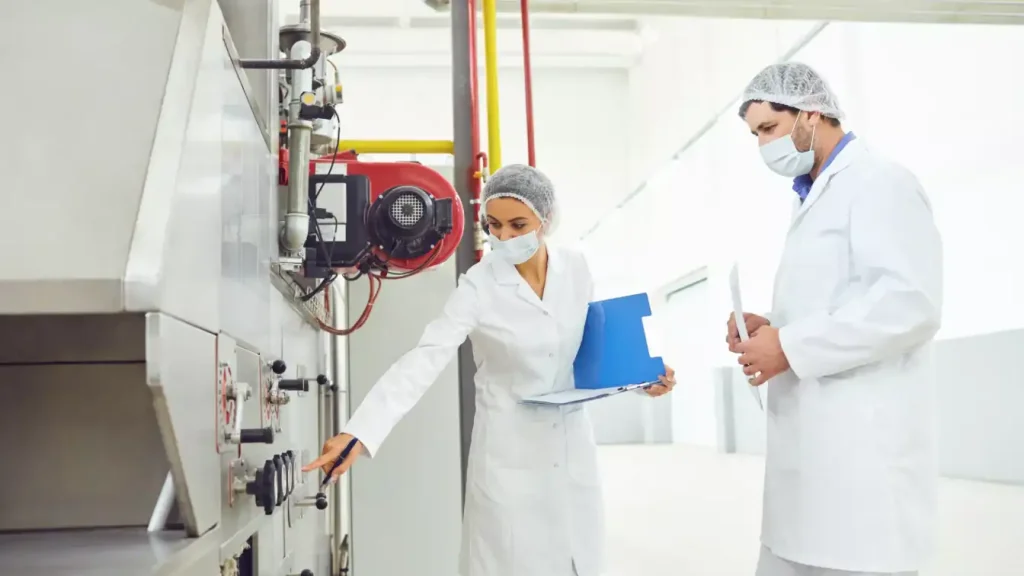
Continuous improvement is the cornerstone of successful manufacturing operations. In this blog post, we will delve into the world of continuous improvement in manufacturing, emphasizing the role of performance management as a catalyst for progress. We will also explore the importance of implementing a feedback loop for ongoing performance evaluation, the value of employee involvement in identifying and implementing improvements, and the power of the PDCA (Plan-Do-Check-Act) cycle as a tool for continuous enhancement. Continuous Improvement in Manufacturing Continuous improvement, often known as Kaizen in manufacturing, is the relentless pursuit of small but meaningful enhancements throughout the production process. It involves identifying inefficiencies, eliminating waste, and optimizing procedures to elevate productivity, quality, and customer satisfaction. Embracing continuous improvement empowers organizations to stay nimble, competitive, and adaptable in the face of market changes. Performance Management as a Driver for Progress Performance management is pivotal in steering continuous improvement within manufacturing. It comprises setting clear performance goals, regular monitoring of key performance indicators (KPIs), and analyzing performance data to pinpoint areas ripe for improvement. By aligning performance management with continuous improvement principles, organizations foster a culture that values data-driven decision-making, accountability, and the relentless pursuit of excellence. Implementing an Ongoing Feedback Loop A critical facet of performance management is establishing an open feedback loop for consistent performance evaluation. This entails regularly gathering and scrutinizing data to assess performance against predetermined targets and benchmarks. This feedback loop enables organizations to identify trends, spot improvement opportunities, and make timely adjustments to processes and operations. Leveraging technology and data analytics enhances the efficiency of the feedback loop, providing valuable insights to guide decision-making. Encouraging Employee Involvement Employees are the lifeblood of any successful manufacturing operation. Encouraging their active participation in identifying and implementing improvements is indispensable for sustained growth. Cultivating a culture that values employee ideas, fosters creativity, and empowers them to contribute to continuous improvement initiatives significantly impacts organizational performance. Regularly seeking input from frontline workers, who have an intimate understanding of the processes, can lead to innovative solutions and imbue employees with a sense of ownership. The Power of the PDCA Cycle The PDCA (Plan-Do-Check-Act) cycle, also known as the Deming Cycle, is a robust problem-solving methodology that supports continuous improvement efforts. Let’s delve into each stage of the PDCA cycle: PlanThe planning phase involves identifying improvement opportunities, setting specific goals, and creating detailed action plans. Stakeholder involvement ensures diverse perspectives and enhances the chances of success. DoDuring this stage, organizations implement proposed changes, typically on a small scale or in a controlled environment, to test their effectiveness. Effective communication and coordination among team members are crucial. CheckAfter implementing changes, organizations evaluate the results against established goals and KPIs. Data collection, analysis, and performance assessment are central to this stage. ActBased on the findings, organizations either standardize successful practices or refine action plans if outcomes fall short. The cycle then begins anew, encouraging a relentless pursuit of excellence. Benefits of the PDCA Cycle The PDCA cycle offers structured problem-solving, data-driven insights, adaptability, and employee engagement. It enables organizations to make informed decisions, standardize successful practices, and continuously refine their processes. When to Use the PDCA Cycle The PDCA cycle is adaptable across various industries and organizations. It excels at exploring effects in a controlled environment, minimizing waste through small-scale testing, and identifying the most effective improvements tailored to unique needs. When to use the PDCA cycle Conclusion The PDCA cycle is an ongoing process that becomes ingrained in an organization’s culture, guiding consistent improvement in products, services, or processes. Continuous improvement, driven by performance management and supported by the PDCA cycle, positions manufacturing operations for excellence, efficiency, and sustained growth in a dynamic business landscape. Embrace these principles, and your organization will thrive in the ever-evolving world of manufacturing.
Meeting Cadences: A Key to Manufacturing Success

In manufacturing, where precision and efficiency are paramount, ensuring successful performance management is an ongoing challenge. While effective shift handovers are crucial, they are just one piece of the puzzle. Well-planned meeting cadences, structured gatherings that bring teams together at various levels, play a vital role in promoting collaboration, addressing challenges, sharing knowledge, and aligning improvement initiatives. In this blog post, we dive into the significance of meeting cadences in manufacturing and highlight essential elements for their successful implementation. Performance Management Cascade Shift Huddles and Morning Gemba At the heart of efficient production are the front-line operators, those individuals who are on the factory floor day in and day out. To kickstart the day on the right note, shift huddles are conducted at the beginning of each shift. These brief meetings gather operators to discuss the previous shift’s performance, current priorities, and any potential issues or safety concerns. These huddles provide a platform for operators to share insights and should be seamlessly conducted through electronic means to ensure adherence to standard protocols. By prioritizing factual data and following standard procedures, these meetings transform into structured and efficient processes. Additionally, the morning Gemba walk, where managers and supervisors visit the production floor, provides a unique opportunity for direct engagement with operators and fosters open communication. Weekly Meetings: Operations Director/Site Leadership Team Weekly meetings involving the operations director or site leadership team are crucial for aligning the organization’s goals with day-to-day activities. These gatherings serve as a forum to review key performance metrics, assess progress towards targets, and address emerging challenges. They also provide a platform to celebrate successes and recognize outstanding contributions. Weekly meetings keep all levels of management informed, promote transparency, and facilitate agile decision-making. Monthly Meetings: Continuous Improvement Projects Identified by RCPs To nurture a culture of continuous improvement, monthly meetings revolve around projects identified by Responsible Care Persons (RCPs). RCPs are employees designated to own specific improvement initiatives in their respective areas. These meetings offer RCPs the opportunity to present their projects’ progress, discuss roadblocks, and seek support and feedback from cross-functional teams. The collaborative nature of these meetings fosters innovation and empowers employees at all levels to contribute to the organization’s growth and success. Quarterly Meetings: Strategy Review Quarterly meetings provide a broader perspective by reviewing the organization’s overall strategy and long-term goals. These gatherings involve top-level management and department heads and focus on strategic planning, trends, and industry challenges. By assessing the company’s direction quarterly, leaders can make informed adjustments to adapt to changing market conditions and capitalize on growth opportunities. The Benefits of Tiered Meetings Implementing well-structured meeting cadences in manufacturing organizations offers a range of benefits, including: Enhanced collaborationRegular meetings bring together cross-functional teams, fostering collaboration and breaking down silos. This enables a more holistic approach to problem-solving and decision-making. Data-driven decision makingFrequent review of key performance metrics allows for data-driven decision making at all levels of the organization, promoting accountability and ensuring actions align with organizational goals. Continuous improvementFocusing on monthly continuous improvement projects empowers employees to identify and drive positive changes. This culture of continuous improvement boosts productivity and drives innovation. Proactive strategy alignmentQuarterly strategy review meetings help the organization stay agile and responsive to market changes, ensuring strategic alignment and sustainable growth. Employee engagementInvolving employees in meetings and improvement initiatives boosts their engagement and satisfaction, leading to a more motivated and productive workforce. Promoting collaboration and improvementMeeting cadences are the cornerstone of successful performance management in manufacturing. These structured gatherings create an environment of collaboration, knowledge sharing, and accountability. From shift huddles to strategy reviews, each meeting serves a unique purpose in aligning teams, improving processes, and driving growth. By adopting an effective meeting cadence, manufacturing organizations can foster a culture of continuous improvement and adaptability, propelling them towards excellence and competitiveness in an ever-evolving industry.
Optimizing Manufacturing Performance: From KPIs to Seamless Shift Handovers

Manufacturing performance is the heartbeat of any industrial operation. It’s the litmus test of effectiveness and efficiency, determining whether a company thrives or struggles. To understand manufacturing performance, one must delve into the realms of key performance indicators (KPIs), quality control, cost reduction, safety measures, and the often-overlooked but crucial aspect of shift handovers. In this blog post, we explore the multifaceted landscape of manufacturing performance, its importance, key metrics, and best practices, all culminating in a smooth transition between shifts. The importance of performance management Performance management isn’t just a buzzword; it’s the cornerstone of success for manufacturing organizations. It’s a systematic approach that involves setting clear performance goals, monitoring KPIs, and continuously improving processes. This data-driven approach enables manufacturers to optimize productivity, quality, and efficiency while reducing costs and lead times. Beyond the numbers, it fosters a culture of accountability, motivates employees, and keeps the organization agile in a competitive market. Key performance indicators in manufacturing Manufacturers have a diverse set of KPIs at their disposal, tailored to their specific industry and goals. Here are some universal metrics that shed light on manufacturing effectiveness: Enhanced productivity: metrics like plan attainment, schedule attainment, and overall equipment efficiency (OEE) help identify bottlenecks and streamline processes. Improved quality control: metrics such as Right First Time (RFT) and tackling quality events enable real-time quality monitoring and defect rectification. Employee engagement: transparent performance management cultivates a motivated workforce aligned with organizational goals. Cost reduction: identifying waste and implementing lean principles lead to cost-saving initiatives. Safety: safety-related KPIs like Lost Time Injury Frequency Rate (LTIFR) and safety audits ensure employee well-being and compliance with safety programs. These KPIs provide valuable insights, enabling data-driven decisions and continuous growth. Examples of manufacturing performance improvements: Manufacturing improvements aren’t one-size-fits-all. Different industries require tailored strategies. Let’s take a look: Chemical industry Continuous manufacturing processes and real-time data analytics for precisionIntegration of advanced control systems Waste reduction and sustainability initiatives Digital supply chain solutions and predictive analytics for efficient inventory management Biopharmaceutical industry Quality by Design principles for robust bioprocesses Advanced process analytical technologies for real-time control Strict quality management and regulatory compliance Continuous quality assessments Food and beverage industry Smart manufacturing for energy optimization and food safety Automated quality control and RFID for inventory management Predictive analytics for demand forecasting Shift Handovers: the backbone of performance management Effective shift handovers are the unsung heroes of manufacturing performance. They ensure seamless transitions, minimize errors, and support continuous improvement. However, neglecting this critical aspect can lead to inefficiencies and missed opportunities. Two drawbacks of verbal and paper-based shift handovers that stand out are the reliance on memory and human error and inefficiencies in data storage and analysis. Best practices for shift handovers: Comprehensive communication: the outgoing shift team must provide a comprehensive report on ongoing production processes, current work orders, machine performance, and any operational challenges faced during their shift. This helps the incoming team seamlessly carry forward production momentum without any interruptions. Digital platforms and shift handover logs can be effective communication tools to ensure the exchange of accurate and timely information. Standardized documentation: in a manufacturing setting where consistency and precision are paramount, it is essential to implement a standardized documentation process for shift handovers. This helps to ensure that no important information is overlooked or miscommunicated. The documentation should include critical data such as production figures, quality metrics, equipment status, maintenance schedules, and any incidents or near misses that occurred during the previous shift. Standard templates and checklists can significantly streamline this process, ensuring that both outgoing and incoming teams follow a structured and consistent approach. Empowerment and accountability: the vitality of manufacturing operations is closely tied to individual team members embracing a sense of ownership for their roles and the collective success of the process. Within the context of shift handovers, it becomes paramount to empower team members to openly share their knowledge and insights. The outgoing team bears the responsibility of ensuring that the incoming team is well-prepared with all pertinent information and takes proactive steps to address any concerns or potential issues. Simultaneously, the incoming team must hold themselves accountable for a thorough review of handover documentation, actively seeking clarifications as necessary, and taking decisive actions to meet production targets. Continuous improvement: the currency of success lies in knowledge and skills. To elevate performance, it’s imperative to conduct frequent training sessions focused on optimizing shift handovers. These sessions should encompass not only the technical facets, such as adeptly utilizing handover tools and accurately documenting critical data, but also the softer skills, such as active listening and effective communication. Fostering a culture of improvement entails actively seeking input from all team members and encouraging them to share insights and ideas. By consistently scrutinizing the shift handover process and implementing refinements gleaned from this invaluable feedback, the organization can achieve a more streamlined and efficient transfer of responsibilities. Consider shift overlap: while it may pose challenges in certain manufacturing environments, incorporating a modest overlap between shifts can yield significant advantages. During this overlapping period, outgoing and incoming teams have the opportunity for direct face-to-face interaction, facilitating enhanced communication and knowledge sharing. The outgoing team can deliver real-time updates on ongoing production tasks, share vital insights, and provide guidance to the incoming team. This approach serves to mitigate the potential for misunderstandings and cultivates a spirit of collaboration and teamwork. Embrace technology: technology takes center stage when it comes to fine-tuning operations. It’s imperative to wholeheartedly adopt digital solutions that seamlessly integrate with your manufacturing workflows and elevate the efficiency of shift handovers. Utilize digital dashboards, real-time tracking systems, and communication platforms to expedite the exchange of information and uphold data precision. By harnessing the power of technology, manufacturing teams can remain interconnected, base their decisions on data-driven insights, and promptly tackle production hurdles as they arise. Conclusion Manufacturing performance is a multifaceted concept that encompasses KPIs, quality control, cost reduction, safety measures, and seamless shift handovers. It’s a dynamic journey of optimization and efficiency, guided by data-driven decisions and a