
Tier Board That Eliminates Misalignment at the Source
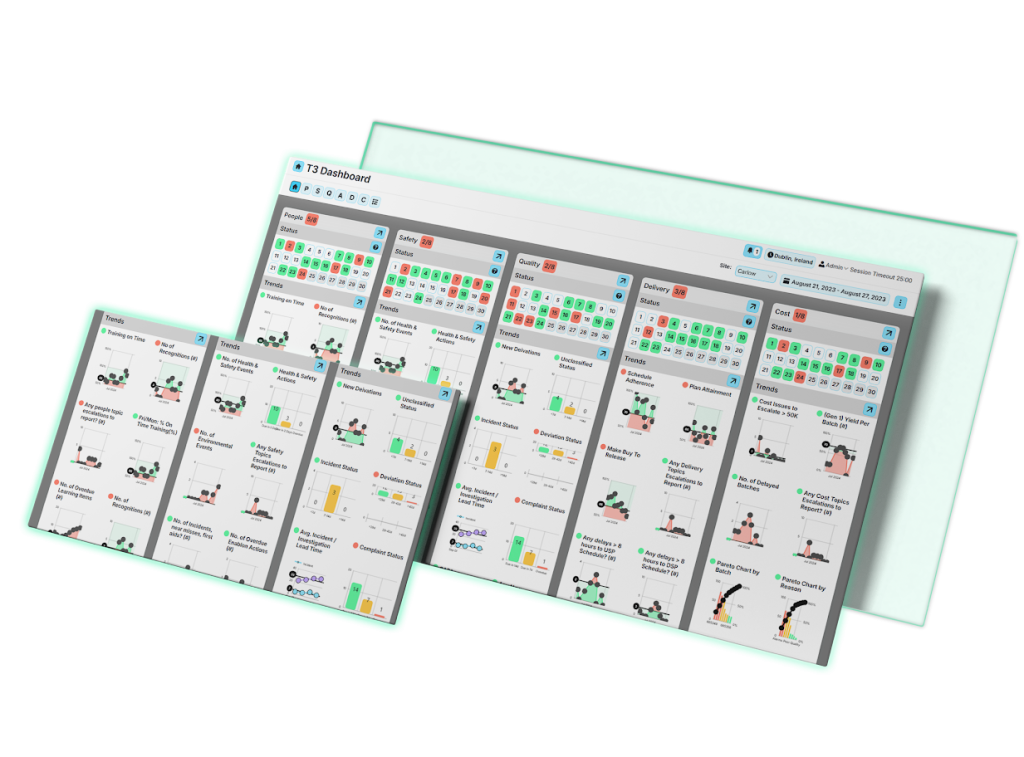
Outdated whiteboards and manual updates lead to missed information, delayed escalations, and disconnected teams. A digital tier board creates a single source of truth with live metrics, issue tracking, and structured team huddles that keep operations aligned, responsive, and fully transparent.
Bring Structure to Every Shift
High-performing operations rely on consistent routines, not ad hoc updates. A digital Tier Board brings structure to every shift. It ensures key information is accessible, meetings have clear purpose, and daily decisions are easier to act on.
- Align shift priorities with live production goals, ensuring daily focus remains tied to site-level KPIs and long-term performance targets.
- Uncover recurring inefficiencies across shifts using a standardized visual system that highlights trends, bottlenecks, and process deviations over time.
- Simplify communication between roles by surfacing relevant updates to operators, supervisors, and managers without relying on fragmented tools or side conversations.
Create Reliable and Repeatable Daily Operations
Digital tier board help leaders run operations with more clarity and less effort. They make daily processes visible, consistent, and easy to manage across teams and shifts.
Identify What Slows Teams Down
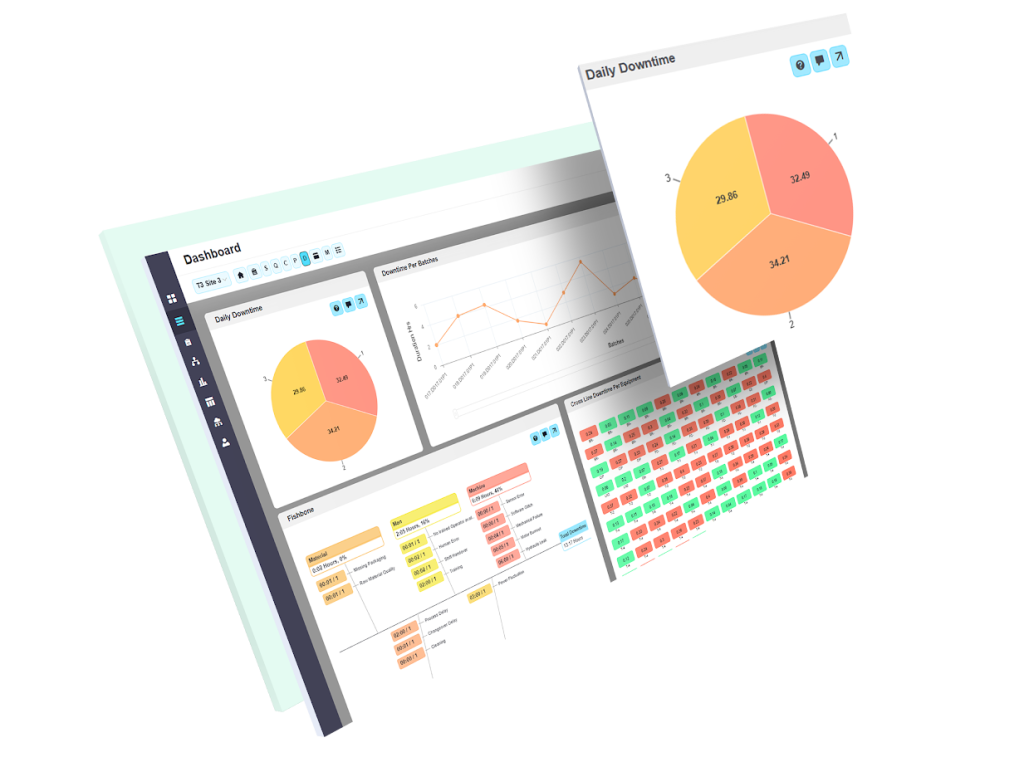
The tier board highlights unresolved issues, process delays, and slow response times, helping supervisors detect and respond to risks before they affect production performance or shift targets.
Stay Informed Without Manual Check-ins
Leaders and supervisors can view the current status of tasks, issues, and KPIs without relying on individual updates, reducing time spent on manual coordination.
Build Daily Accountability Into the Process
Each action recorded on the tier board includes clear ownership, deadlines, and status, making responsibilities transparent and follow-through easier to monitor and maintain.
Connect Shift Information Across Departments
Each department relies on accurate, timely information to make the next shift more productive. Tier Board ensure that critical updates don’t get lost between teams.

Manufacturing Operations
Production teams rely on status updates related to output targets, line performance, delays, safety observations, and any deviations from standard operating conditions.

Maintenance Teams
Incoming teams need visibility into unresolved breakdowns, pending work orders, completed inspections, and any safety concerns or temporary fixes applied during the previous shift.

QC (Quality Control)
QC handovers typically include in-progress test results, open deviations, investigation notes, and any product holds or exceptions flagged during the outgoing shift.

Warehouse and Logistics
Logistics teams require updates on stock discrepancies, order fulfillment progress, received goods, outgoing shipments, and issues related to material movements or storage conditions.
Tier Board
Driving aligned decisions and performance with visual, structured, and connected team boards at every level.


How Tier Board Support Decision-Making Across Roles
Operator
Operators benefit from direct, structured updates that replace informal notes and unclear handovers. Shift data is focused, relevant, and easy to interpret.
- Receives updates on active tasks, changes in line status, and unresolved production issues
- Understands what was completed, what's next, and any safety notes to be aware of
- Records small issues or process variations without interrupting workflow or relying on memory

Manager / Supervisor
Supervisors use the Tier Board to maintain shift continuity, manage team performance, and ensure that daily targets are tracked and followed through.
- Reviews what was achieved during the previous shift and what remains unresolved
- Monitors team output, blockers, and decisions made on the floor
- Verifies action ownership and ensures escalations are tracked correctly

Site Leader
Site leaders require a consolidated view of site-wide operations. Tier Boards surface patterns and exceptions without needing to request updates from each team.
- Reviews high-level operational metrics and daily compliance from a single source
- Identifies recurring issues, delays, or departmental misalignments across shifts
- Uses standard reports for site reviews, audits, and performance discussions

QC / Maintenance
These roles depend on accuracy and continuity. Tier Boards ensure issues are logged, carried forward, and traceable between shifts and departments.
- Views test results, open deviations, or maintenance tasks left incomplete
- Tracks corrective actions, repeat failures, or delayed interventions
- Follows up on shift-based incidents without needing manual summaries or verbal handoffs

Used by Global Leaders











Ready to Get Started with EviView?
Our team is here to walk you through the platform and help you understand how it can support your day-to-day operations and long-term goals.