
Why KPI Management is Key to Scaling Manufacturing Operations
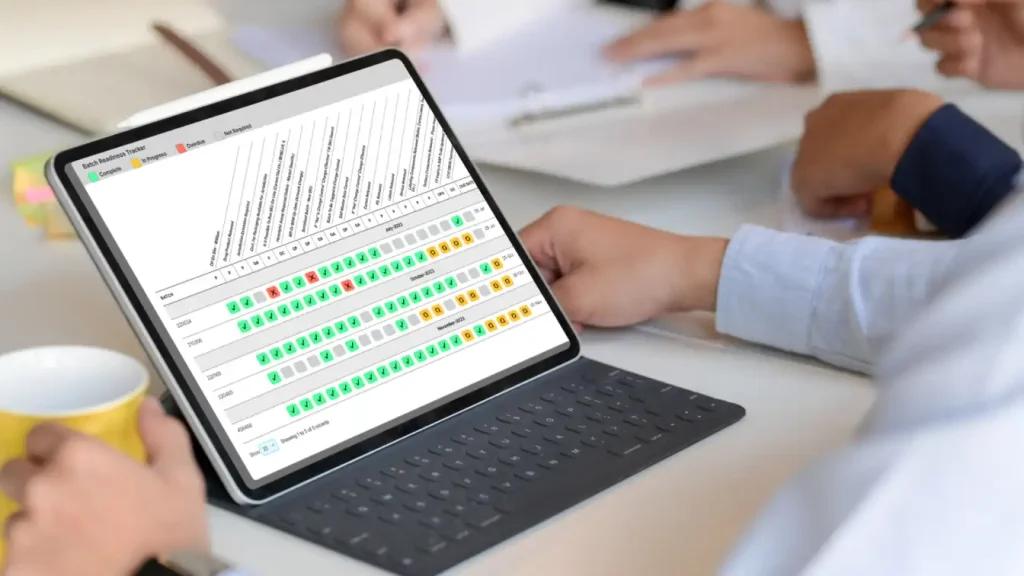
Scaling manufacturing operations involves more than simply ramping up production. It requires careful coordination to ensure efficiency, maintain product quality, and manage costs effectively. One of the most powerful tools to achieve this balance is the use of Key Performance Indicators (KPIs). KPIs provide measurable insights into every facet of manufacturing, from production speed to equipment utilization. When managed effectively, they help manufacturers identify inefficiencies, track progress, and make informed decisions that support growth. Let’s explore how effective KPI management enables scalable and sustainable operations. The Importance of KPIs in Manufacturing KPIs are more than numbers on a dashboard—they offer actionable insights into operational performance. By tracking the right KPIs, manufacturers gain visibility into areas that need improvement, ensuring that their scaling efforts are both strategic and sustainable. Providing Clarity and Focus Scaling operations can be chaotic without a clear understanding of performance. KPIs help manufacturers focus on what matters most, providing a clear picture of how well systems and processes are functioning. Example: A production line might consistently miss its output targets. By monitoring KPIs such as cycle time and overall equipment effectiveness (OEE), the team can pinpoint the bottleneck and address it to boost productivity. Enabling Proactive Decision-Making Rather than waiting for problems to surface, KPI management enables teams to spot trends early and take corrective actions before issues escalate. This proactive approach is crucial for minimizing disruptions as operations scale. Key Areas Where KPI Management Drives Success 1. Production Efficiency Scaling requires optimizing production processes to meet increased demand without sacrificing quality or speed. KPIs such as throughput, cycle time, and capacity utilization provide insights into how efficiently resources are being used. Scenario: A manufacturer notices a decline in throughput on one production line. KPI analysis reveals frequent machine stoppages due to poor maintenance scheduling. By addressing the issue, the company boosts output without adding new equipment. 2. Quality Control As production scales, maintaining consistent product quality becomes more challenging. KPIs like defect rates, first-pass yield, and customer complaint rates help ensure that quality standards are upheld. Example: A food manufacturer monitors defect rates across its lines. When one line shows a spike in defects, the team investigates and finds an issue with ingredient mixing. Quick adjustments prevent further waste and maintain product standards. 3. Equipment Performance Machinery is the backbone of manufacturing operations. Effective KPI management tracks metrics such as OEE, mean time between failures (MTBF), and mean time to repair (MTTR) to ensure equipment reliability. Benefit: Regularly monitoring these KPIs allows teams to implement preventive maintenance schedules, reducing unexpected downtime and improving overall production capacity. 4. Workforce Productivity Scaling operations often involves adding new shifts or increasing staff. Workforce-related KPIs, such as units produced per labor hour and attendance rates, help track employee productivity and identify areas for improvement. Case Study: A manufacturer expanding its workforce noticed a drop in productivity during night shifts. KPI data revealed gaps in training for new employees. Targeted training sessions improved productivity and aligned performance across all shifts. Benefits of Effective KPI Management for Scalable Manufacturing Improved Decision-Making When scaling, decisions need to be data-driven to avoid costly mistakes. KPIs provide a clear and objective basis for making informed choices, from resource allocation to process optimization. Result: Faster, more accurate decisions that support growth and efficiency. Enhanced Operational Visibility KPI management offers a comprehensive view of operations, making it easier to monitor performance across multiple departments or locations. This visibility ensures that scaling efforts are coordinated and aligned with business goals. Cost Control and Waste Reduction As production ramps up, costs can spiral if inefficiencies go unchecked. By tracking KPIs, manufacturers can identify areas of waste and implement targeted improvements to keep costs in check. Real-World Applications of KPI Management Case Study 1: Scaling Production in an Electronics Plant An electronics manufacturer sought to double its output to meet rising demand. By implementing a robust KPI management system, they tracked metrics like cycle time, defect rates, and equipment downtime. Outcome: With clear insights, they optimized workflows, reduced downtime by 15%, and maintained quality standards despite the increased production volume. Case Study 2: Improving Supply Chain Efficiency in Automotive Manufacturing An automotive parts supplier faced delays in meeting production targets due to supply chain bottlenecks. Using KPI management tools, they monitored inventory turnover, lead times, and order accuracy. Result: The company streamlined its supply chain, reducing lead times by 20% and ensuring timely delivery to clients as they scaled operations. Best Practices for Effective KPI Management 1. Define the Right KPIs Not all metrics are equally valuable. Focus on KPIs that align with your business goals and provide actionable insights. Tip: Start with a few critical KPIs, such as OEE, defect rates, and throughput, and expand as needed. 2. Leverage Technology Modern KPI management tools integrate with existing systems, providing real-time data and automated reporting. This allows teams to monitor performance continuously and respond quickly to changes. 3. Involve the Workforce KPI management should be a team effort. Ensure that employees understand how their work impacts key metrics and encourage them to contribute to improvement initiatives. Example: Regular team meetings to review KPI performance foster a sense of ownership and drive collaboration. 4. Continuously Review and Refine Scaling operations is an ongoing process. Regularly review your KPIs to ensure they remain relevant and adjust targets as your business evolves. The Future of KPI Management in Manufacturing As manufacturing continues to adopt digital technologies, the role of KPIs will become even more critical. Emerging tools like artificial intelligence and machine learning will enhance KPI management by providing predictive insights and automating data analysis. These advancements will help manufacturers scale more efficiently, ensuring that operations remain agile and resilient in a rapidly changing industry landscape. Conclusion KPI management is a vital component of scalable manufacturing operations. By providing clear, actionable insights, KPIs enable manufacturers to optimize processes, maintain quality,
How Continuous Improvement Tools Help Reduce Waste
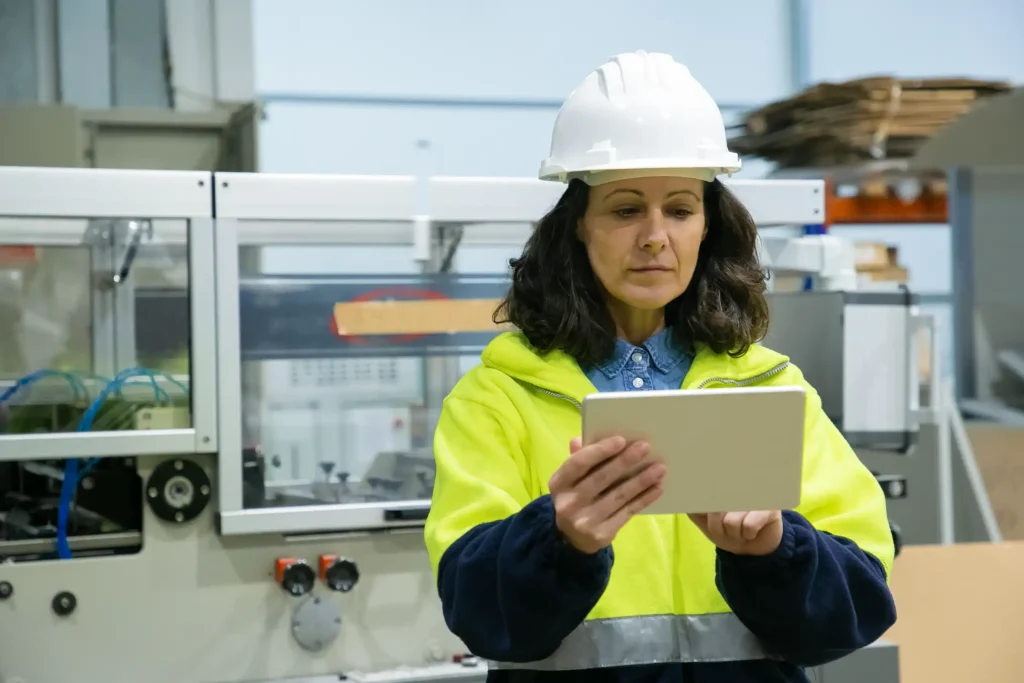
In production environments, waste—whether it’s material, time, or energy—directly affects both profitability and sustainability. Tackling waste requires more than just advanced machinery or new workflows. It demands the active involvement of employees who understand the daily challenges of operations. Continuous improvement tools for reducing waste empower teams to identify inefficiencies, propose actionable solutions, and implement lasting changes. By leveraging these tools, companies can enhance operational efficiency while fostering a culture of innovation and accountability. Understanding the Scope of Waste in Production Waste takes many forms across production lines. From material waste due to product defects to time lost in inefficient workflows, the cumulative impact can be significant. Common Types of Waste in Manufacturing Material Waste: Raw materials lost through errors or excess usage. Time Waste: Delays from bottlenecks, idle equipment, or miscommunication. Energy Waste: Overconsumption of power due to inefficient machinery or processes. Reducing these types of waste involves a proactive approach supported by continuous monitoring and process optimization tools. The Role of Continuous Improvement Tools in Waste Reduction 1. Real-Time Data Collection and Analysis Continuous improvement tools provide employees with real-time access to data on production performance. This data helps teams quickly identify areas where waste occurs, such as excessive material usage or frequent machine stoppages. Example: A food processing plant uses live dashboards to monitor ingredient usage. When a particular line shows higher-than-average waste, the team investigates and adjusts machine settings, reducing waste by 10%. 2. Standardized Processes and Training These tools also help standardize best practices, ensuring consistent operations across shifts. With clear guidelines and process templates, employees can minimize errors and inefficiencies that lead to waste. Scenario: A metal fabrication shop adopts a standardized checklist for machine setup. This reduces scrap rates caused by improper equipment calibration, saving both time and materials. 3. Empowering Employees to Innovate Continuous improvement tools encourage employees to take ownership of their work. With access to data and structured problem-solving frameworks, workers can propose changes that improve efficiency and reduce waste. Benefit: Teams become more proactive, regularly refining their processes to drive better results. 4. Root Cause Analysis Effective tools enable teams to dig deeper into recurring issues through root cause analysis (RCA). RCA helps identify the underlying problems that contribute to waste, rather than just addressing symptoms. Example: A packaging company notices frequent jams in its labeling machine. RCA reveals the root cause is poorly aligned rollers. Fixing this prevents future issues, saving hours of downtime each month. Benefits of Continuous Improvement Tools for Reducing Waste Increased Operational Efficiency With clear insights into production performance, companies can streamline workflows, optimize resource use, and reduce delays. Result: Faster production cycles and more efficient use of labor and equipment. Lower Costs By addressing waste at its source, businesses can significantly cut costs associated with materials, energy, and downtime. Example: A manufacturer that reduces material waste by even a small percentage across multiple lines can save thousands annually. Improved Product Quality Fewer defects and consistent processes lead to higher product quality. This reduces rework and enhances customer satisfaction. Real-World Success Stories Case Study 1: Automotive Parts Manufacturer An automotive parts supplier struggled with high material scrap rates. By implementing continuous improvement tools, they identified that certain machine settings were causing defects. Adjustments to the process reduced material waste by 15%, saving the company over $100,000 annually. Case Study 2: Electronics Assembly Plant A plant producing circuit boards used real-time analytics to track energy consumption across shifts. They discovered that certain machines were running inefficiently during specific hours. Optimizing machine schedules reduced energy waste by 20%, lowering operational costs. Best Practices for Implementing Continuous Improvement Tools Start Small and Scale Gradually Introduce continuous improvement tools in one department or production line first. This allows for a controlled environment to test the tools and gather insights. Train and Empower Employees Provide comprehensive training to ensure employees understand how to use the tools effectively. Encourage them to take ownership of improvement initiatives. Tip: Reward teams that consistently identify and implement waste reduction strategies. Monitor Progress and Refine Strategies Regularly review the data and feedback collected through continuous improvement tools. Use these insights to refine processes and expand successful practices across the organization. Use Visual Management Tools Dashboards, charts, and visual data representations make it easier for teams to understand their impact. Visualizing waste reduction efforts helps employees see the tangible results of their initiatives. The Future of Waste Reduction Through Continuous Improvement As technology evolves, continuous improvement tools are becoming more advanced, incorporating artificial intelligence and machine learning to provide predictive insights. These advancements will further enhance an organization’s ability to identify waste before it becomes a problem, ensuring even greater efficiency and sustainability. Companies that fully embrace these tools will not only reduce waste but also position themselves as leaders in operational excellence and environmental responsibility. Conclusion Reducing waste is a critical goal for any production-focused business. With continuous improvement tools for reducing waste, employees gain the insights and resources they need to make meaningful changes. By leveraging real-time data, standardizing best practices, and fostering a culture of continuous improvement, organizations can achieve greater efficiency, lower costs, and improved product quality. Investing in these tools is a powerful step toward building a more sustainable and profitable operation.