
Shop Floor Tracking: How Real-Time Visibility Changes Daily Decisions

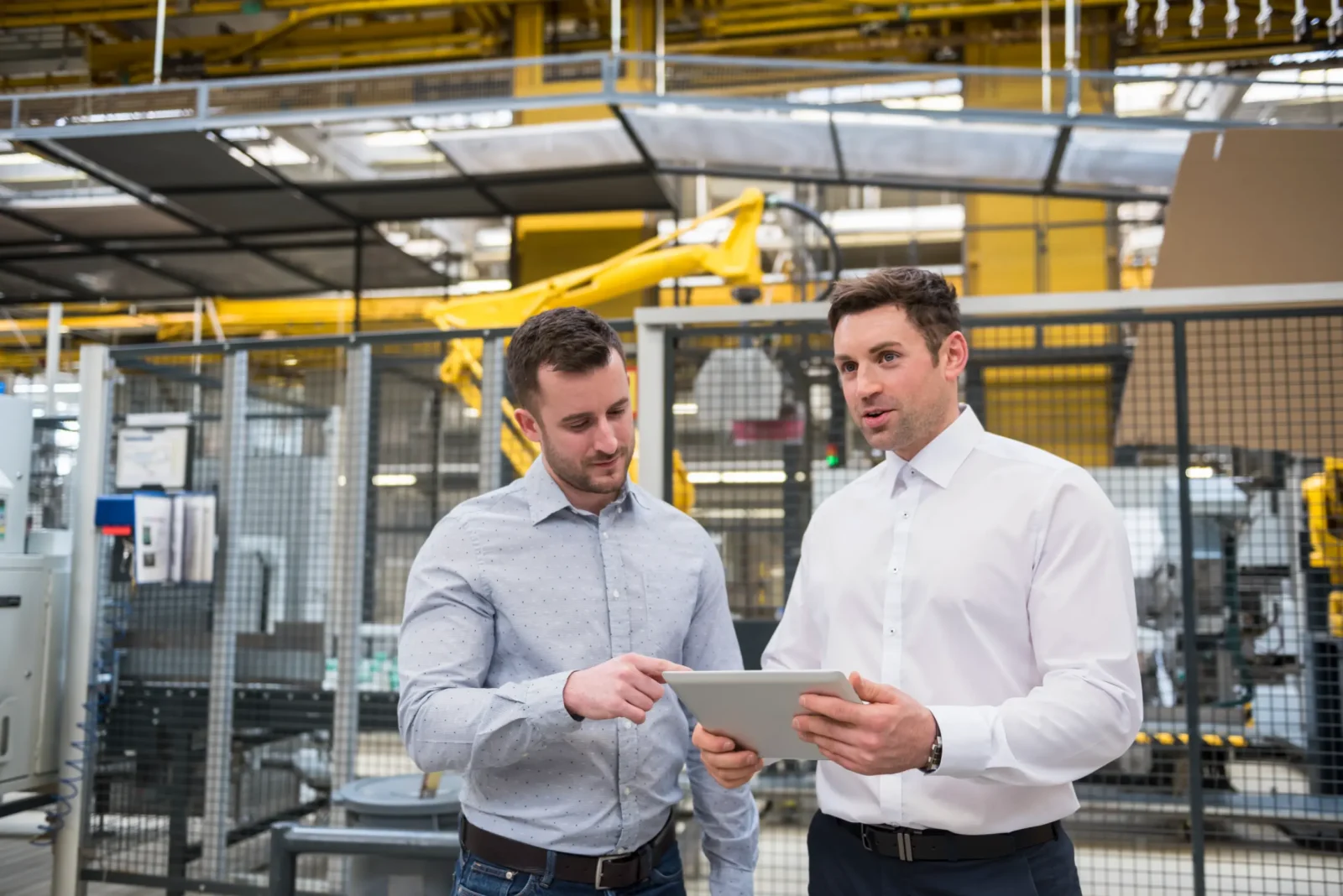
On most production floors, the day is full of decisions that cannot wait. A line slows and someone has to choose whether to push through or stop and fix it. A quality check drifts and someone has to call it before a batch is lost. A machine goes quiet and someone has to decide where the team goes next. The quality of those decisions depends on one thing: how clearly the people making them can see what is actually happening, right now.
That is what shop floor tracking provides. When visibility is live rather than left to the end of the shift, decisions stop being guesses and start being informed. This article explains what shop floor tracking is, what it captures, and how real-time visibility changes the way a site is run, hour by hour.
What Is Shop Floor Tracking?
Shop floor tracking is the practice of capturing what is happening across the production floor as it happens, then making it visible to the people who need it. It turns the live state of the operation into information that teams can act on, rather than a report assembled after the fact.
Done well, it usually covers:
- Machine status and output against plan, line by line.
- Downtime as it occurs, with the reason attached.
- Quality results and any drift away from specification.
- Labour and where people are deployed across the shift.
- Materials, work in progress, and what is waiting where.
Pulled together, these signals give a single, current picture of the floor. That picture is the foundation of good shop floor management, because you cannot manage what you cannot see while it still matters.
Why Real-Time Visibility Beats the Morning-After Report
For years, most sites ran on lagging data. Numbers were collected by hand, typed up overnight, and reviewed the next morning. By then the shift was over, the context was gone, and any chance to act had passed.
Real-time visibility closes that gap. Instead of explaining yesterday, the floor shows today, as it unfolds. The difference is not cosmetic. A two-hour stoppage spotted as it begins can be tackled while it is small. The same stoppage discovered the next morning is simply a loss to be explained.
This shift, from looking backward to looking live, is the heart of data-driven manufacturing. It changes the question a team asks from “what went wrong yesterday” to “what needs my attention now.”
How Real-Time Visibility Changes Daily Decisions
The real value of shop floor tracking shows up in the decisions it improves. Visibility means little on its own. What matters is that it reaches the right person at the moment they can act. The effect plays out at every level.
On the Line
Operators see how the shift is tracking against plan in real time. When output dips or a fault appears, they know early rather than at handover, and can flag it before it grows. Live downtime data, with the reason captured at the source, also means the same stoppage is not explained three different ways by three different people.
At the Supervisor Level
Supervisors stop relying on walking the floor and asking around. With a live view across several lines, they can see where attention is needed, move people to the bottleneck, and judge whether an issue is a one-off or a pattern worth escalating. Decisions about labour and priorities are made on what is happening, not on the loudest voice in the room.
In Daily Reviews and Tier Meetings
When the numbers are already live and trusted, the daily review changes character. Teams spend less time arguing about whose figures are right and more time deciding what to do. Daily huddles become short and focused, because everyone is looking at the same current picture and can move straight to actions and owners.
For Site Leadership
Leaders gain a view that rolls up from the line to the whole plant, and across sites where needed. Reliable KPI tracking lets them see trends as they form, direct resources to where they will do the most good, and remove the barriers that frontline teams cannot. Decisions move from reacting to last month’s report to steering this week’s performance.
Manual Tracking vs. Digital Shop Floor Tracking
Many sites still track the floor on whiteboards, clipboards, and spreadsheets. That can work when a site is small and simple, but it struggles the moment the operation spans multiple shifts, lines, or sites. The contrast is clear once the two are placed side by side.
| Manual or paper tracking | Real-time digital tracking | |
| Timing | Updated at end of shift | Updated as it happens |
| Accuracy | Re-keyed and prone to error | Captured at the source |
| Visibility | One board, one team | Shared across roles and sites |
| Decisions | Reactive, after the fact | Proactive, within the shift |
| Record | Hard to search later | Searchable history and trends |
The point is not that paper is useless. It is that paper cannot deliver live visibility, and live visibility is what changes the decision.
What Good Shop Floor Tracking Looks Like
Tracking everything is not the goal, and it usually backfires. The strongest setups share a few traits:
- They track a focused set of measures that signal whether the day is on plan, not every number available.
- They capture data at the source, so operators are not re-typing figures into a second system.
- They put the same view in front of every level, from the line to leadership.
- They tie each signal to an owner and an action, so visibility leads to a decision rather than a shrug.
- They keep the history, so today’s issue can be checked against last month’s pattern.
Get these right and tracking stops being a reporting chore. It becomes the way the floor is run.
How to Get Started With Shop Floor Tracking
Starting small and honest beats a big launch that no one trusts. Begin by deciding the few questions tracking has to answer, such as where the site is losing time and which losses repeat. Then map the data you already have and how reliable it is, because tracking cannot show what is never captured.
Pick one line or area and prove the approach there before scaling. Connect the data already coming off your equipment so the picture stays live without manual entry, and build the view into the routines that already run the site, such as the shift handover and the daily huddle. Once teams trust the numbers and act on them, widen the rollout. Used this way, tracking helps to reduce downtime and steady output, because problems are caught and owned while they are still small.
See Your Shop Floor Clearly With EviView
Real-time visibility only changes decisions when the data is connected, current, and easy to read. That is what EviView is built to deliver.
As a digital daily management system, EviView captures what is happening across the floor and brings it together in one live view, tied to the shift handover, the tier board, and the actions that follow. Operators, supervisors, and site leaders all work from the same current picture, so issues are caught early, owned clearly, and resolved before they turn into lost output.
If you want shop floor tracking that genuinely changes daily decisions rather than just recording them, reach out to the EviView team to see how live visibility works in practice.
Written By:

Karol Dabrowksi, CEO
Karol Dąbrowski is the CEO of EviView, a digital daily management system used by leading manufacturing companies to improve efficiency, reduce downtime, and optimise production performance. With a strong background in manufacturing operations, Karol is focused on solving real-world shop floor challenges by enabling teams to turn operational data into actionable insights and unlock hidden capacity across their facilities.