
How a Daily Management System Improves Manufacturing Performance

Manufacturing performance is not only shaped by monthly reports, annual targets, or major improvement projects. It is shaped by the decisions people make every shift. A line starts late because a material issue was not escalated. A quality concern is raised but not followed up. A recurring equipment fault is discussed several times but never assigned to an owner. A handover note is missed, and the next team spends the first hour rediscovering what the previous shift already knew. These moments may look small on their own. Together, they create lost time, repeated problems, lower output, and weaker accountability. A daily management system helps teams control these moments before they become performance issues. It creates a practical rhythm for reviewing work, spotting gaps, assigning actions, and escalating problems while there is still time to respond. What Is a Daily Management System? A daily management system is a structured way to manage operational performance every day. It brings together daily meetings, visual management, issue tracking, performance metrics, action ownership, and escalation routines. The purpose is not to add more reporting. The purpose is to help teams see what is happening, understand what needs attention, and act quickly. In manufacturing, a daily management system helps answer questions such as: What happened on the last shift? Are we on plan today? What is stopping the team from performing? Which issues need escalation? Who owns the next action? What needs to change so the same problem does not return? When these questions are reviewed consistently, daily work becomes easier to manage. Teams do not have to wait for weekly summaries or end of month reviews to understand where performance is slipping. Why Manufacturing Performance Depends on Daily Control Manufacturing problems rarely wait for the next review meeting. A small issue can affect output within minutes. A missing component, incorrect setting, unresolved maintenance concern, or unclear quality decision can disrupt the plan quickly. That is why daily control matters. Without a daily management system, teams often rely on informal updates and personal memory. One supervisor may know about an open issue. One operator may understand why a fault keeps happening. One department may be waiting for another team to respond. The information exists, but it is not always visible to everyone who needs it. This creates a gap between what is happening on the floor and what leaders think is happening. By the time the issue appears in a report, the opportunity to prevent the loss may already be gone. A daily management system closes that gap. It gives teams a clear way to identify problems early, act on the right priorities, and keep performance visible throughout the day. The Real Problem: Performance Loss Hides in Daily Friction Many manufacturing teams do not lose performance through one major failure. They lose it through repeated friction. A meeting starts without current information. A shift begins without a complete handover. A minor stop happens again. An action is agreed but not tracked. A problem is escalated only after it has already caused delays. This kind of friction is easy to overlook because it feels normal. People get used to chasing updates, asking the same questions, and working around recurring problems. A daily management system makes this friction visible. It turns vague concerns into clear issues, and it turns informal promises into assigned actions. What a Daily Management System Should Include A strong daily management system should be simple, consistent, and close to the work. It should give teams enough information to make decisions without overwhelming them. Element Role in daily management How it improves performance Daily performance review Shows whether the team is on plan Helps teams respond before targets are missed Issue tracking Captures problems as they happen Stops issues from being lost between shifts Action ownership Assigns responsibility for follow up Makes accountability visible Escalation routine Moves blocked issues to the right level Speeds up support and decisions Visual management Makes status easy to understand Keeps teams aligned on priorities Improvement follow up Tracks recurring issues and countermeasures Supports long term performance gains The system only works when these parts connect. Metrics show where there is a gap. Issue tracking explains what happened. Actions define the response. Escalation removes the blocker. Improvement follow up helps prevent the issue from returning. Start With the Current Condition A daily management system should begin with a clear view of the current condition. Teams need to know how the operation is performing right now, not just how it performed last week. This may include output, downtime, safety, quality, waste, schedule adherence, maintenance concerns, changeover performance, or open actions. The exact metrics depend on the process, but they should be useful for daily decisions. The goal is not to track every number. Too many metrics can make performance harder to read. A good daily management system focuses on the measures that show whether the team is on track and where action is needed. When the current condition is visible, teams can stop relying on assumptions. They can discuss the real situation and decide what matters most today. Turn Daily Meetings Into Decision Points Daily meetings are often where a daily management system succeeds or fails. A meeting that only reviews numbers will not improve performance. A meeting that creates action can. The best daily meetings are short, focused, and consistent. They should help teams understand the gap between plan and actual performance, identify the reasons behind the gap, and agree what happens next. The meeting should not become a long discussion about every issue. Some problems need deeper investigation outside the meeting. The daily review should focus on what needs attention now, what is blocked, and what needs escalation. This gives the team a reliable rhythm. People know when issues will be reviewed. Action owners know progress will be checked. Leaders know where support is needed. Capture Issues While They Are Still Fresh A daily management system improves performance by capturing issues close to the moment they happen. This
Six Sigma Tools and Techniques for Process Improvement

Achieving consistent and measurable process improvement requires more than intuition. It requires structure, data, and a disciplined method. Six Sigma delivers this through a systematic approach to identifying problems, removing inefficiencies, and improving outcomes across processes. At the center of Six Sigma is the DMAIC methodology, which stands for Define, Measure, Analyze, Improve, and Control. Each of these five phases involves specific tools and techniques that guide improvement efforts from start to finish. When used correctly, these tools transform how teams work, make decisions, and deliver results. This guide outlines the essential Six Sigma tools and techniques used within each DMAIC phase. It is designed to provide practical knowledge in a logical sequence, helping any team pursuing process excellence. Define Phase: Understanding the Problem and Setting Goals The Define phase lays the foundation for the entire Six Sigma project. It focuses on identifying the problem, defining goals, and establishing scope. Project Charter The project charter is a formal document that outlines the problem statement, business case, objectives, timeline, team roles, and expected outcomes. It keeps everyone aligned and provides clarity before the project moves forward. SIPOC Diagram SIPOC stands for Suppliers, Inputs, Process, Outputs, and Customers. This tool provides a high-level view of the process and clarifies who is involved, what resources are needed, and who receives the final output. Voice of the Customer (VOC) Voice of the Customer techniques are used to collect and analyze customer needs. These insights are often gathered through surveys, interviews, or complaint data. They ensure that the project is focused on what matters most to the end user. Measure Phase: Establishing a Baseline with Data Once the project is defined, the next step is to understand how the current process performs. The Measure phase focuses on data collection and validation. Process Mapping This tool breaks the process into individual steps to identify where data should be collected. A clear process map helps teams understand the workflow and uncover inefficiencies or hidden complexity. Check Sheets Check sheets are simple forms used to collect real-time data in a consistent way. They are often used to track defects, errors, or occurrences of specific events over time. Measurement System Analysis (MSA) MSA is used to evaluate whether the data collection system is accurate and reliable. Gage Repeatability and Reproducibility studies are often used to identify measurement variation caused by equipment or operators. Control Charts and Run Charts Control charts help determine whether a process is stable or affected by special causes of variation. Run charts show trends in process performance over time. Both are useful for understanding the baseline behavior of the process. Analyze Phase: Identifying Root Causes With data in place, the Analyze phase focuses on understanding what is causing poor performance. This phase involves identifying root causes and validating them with data. Fishbone Diagram (Cause and Effect Diagram) The fishbone diagram organizes potential causes of a problem into categories such as people, methods, materials, and machines. It helps teams explore a wide range of possibilities in a structured way. Five Whys This technique involves asking “why” repeatedly until the root cause of a problem is identified. It helps prevent teams from stopping at surface-level issues and instead drives deeper understanding. Pareto Chart The Pareto chart is based on the 80/20 rule and is used to identify the few causes that are responsible for most of the problems. It helps teams prioritize their efforts on the most impactful issues. Regression Analysis Regression analysis examines the relationship between input variables and outputs. It helps determine which factors are influencing process performance and by how much. Hypothesis Testing This statistical technique is used to test assumptions and determine whether observed differences are statistically significant. Common tools include t-tests, ANOVA, and chi-square tests. Improve Phase: Designing and Validating Solutions After root causes are identified, the Improve phase focuses on creating and testing solutions. The goal is to eliminate the causes of variation and improve process performance. Brainstorming and Mind Mapping These techniques help teams generate ideas for possible solutions. Mind mapping visually organizes ideas, while brainstorming encourages a free flow of creative thinking. Failure Modes and Effects Analysis (FMEA) FMEA evaluates how and where a proposed solution might fail. It assigns risk scores to each potential failure based on severity, likelihood, and detection. This helps prioritize improvements and reduce risk. Design of Experiments (DOE) DOE is a statistical method used to test multiple changes at once and determine which have the most significant impact. It is useful for optimizing process conditions and identifying interactions between variables. Pilot Testing Pilot testing allows teams to implement a solution on a small scale before full rollout. It helps validate the solution’s effectiveness and identify any unintended consequences. Control Phase: Sustaining the Improvements The Control phase ensures that improvements become permanent. It focuses on standardizing the solution, monitoring performance, and maintaining results over time. Control Plan The control plan outlines how the improved process will be monitored, who is responsible for each task, what metrics will be tracked, and how to respond if performance begins to decline. Control Charts Control charts continue to be used in this phase to monitor stability. They help detect early signs of process drift so that corrective action can be taken before performance worsens. Standard Operating Procedures (SOPs) Once a solution is validated, SOPs are updated to reflect the new process. Training is often provided to ensure everyone follows the improved method consistently. Visual Management Tools Dashboards and process scorecards are used to keep key metrics visible and accessible. This supports a culture of accountability and continuous improvement. Lean Techniques That Complement Six Sigma While Six Sigma focuses on reducing variation, Lean focuses on removing waste. Many organizations combine these approaches to enhance results and maximize efficiency. Value Stream Mapping This tool provides a complete view of the process from start to finish. It highlights delays, bottlenecks, and non-value-adding activities. It is often used at the beginning of improvement projects to identify major areas of waste. 5S System
Continuous Improvement: Keeping Your Manufacturing Objectives on Target
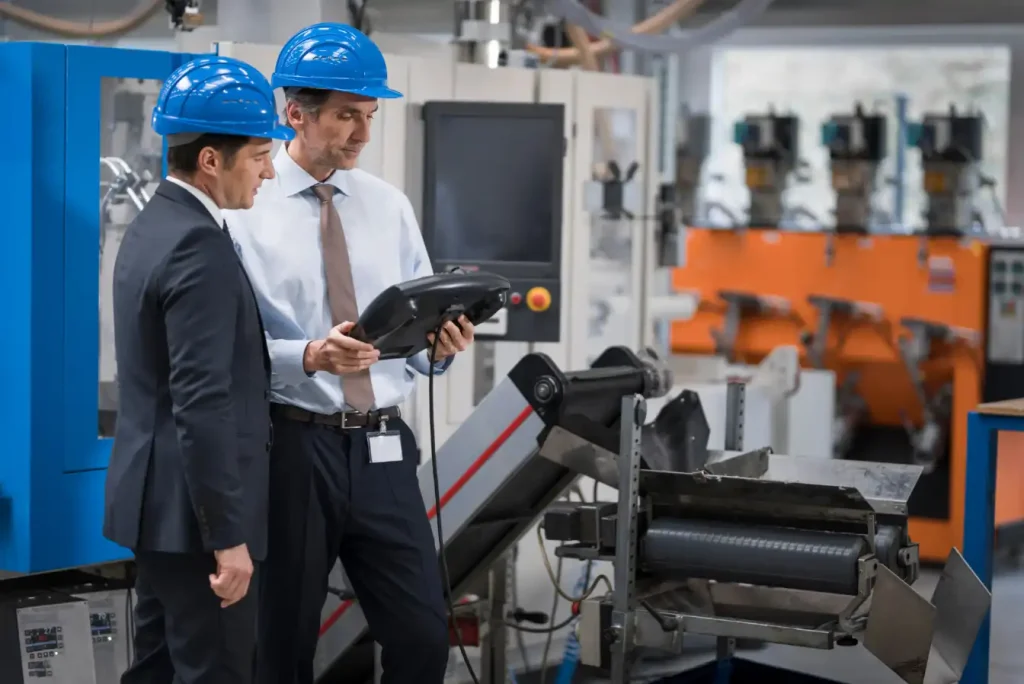
Achieving success requires more than just setting ambitious goals. It demands continuous improvement, a mindset of constant evaluation and adaptation. While crafting well-defined objectives is crucial, believing they are set in stone can hinder your progress. The key to staying ahead lies in regularly reviewing and adapting your objectives to ensure they remain relevant, effective, and aligned with your ever-changing environment. Why manufacturing objectives need to evolve Several factors necessitate the need for regularly reviewing and adapting your manufacturing objectives: Shifting market demands: consumer preferences, competitor strategies, and economic fluctuations can significantly impact your market position. Objectives set based on outdated market understanding can quickly become irrelevant and hinder your ability to compete effectively. Imagine, for example, focusing on producing bulky desktop computers while the market rapidly shifts towards sleek laptops and tablets. Technological advancements: new automation solutions, data analytics tools, and production methods are constantly emerging. These advancements present opportunities to streamline processes, enhance efficiency, and potentially even create entirely new product lines. Objectives that don’t consider these advancements might miss out on crucial opportunities for growth. For instance, clinging to manual inventory management might hinder your ability to compete with companies that have adopted advanced inventory control systems. Unforeseen circumstances: disruptions like natural disasters, material shortages, or economic downturns can significantly disrupt your operations. Objectives set before these events could lack the necessary flexibility to adapt to the new reality. For example, a sudden spike in the cost of raw materials might necessitate revising production targets or exploring alternative materials. Strategies for continuous improvement in manufacturing Here are some strategies to ensure your manufacturing objectives remain relevant and effective over time: Schedule regular reviews: establish a consistent review schedule for your objectives, like quarterly or bi-annually. During these reviews, assess the progress made towards each objective and analyze any changes in the market, technology, or internal environment. This allows you to identify areas for improvement and adapt your objectives accordingly. Embrace open communication: foster a culture of open communication within your organization. Encourage employees at all levels to share their feedback on the objectives and suggest areas for improvement. This collective input from those on the shop floor can provide valuable insights to inform revisions. Imagine a production worker suggesting an alternative production method that could improve efficiency – their input could be crucial for adapting your objectives. Build in adaptability: don’t set your objectives in stone. Consider setting stretch goals that leave room for adjustments, and be prepared to adapt based on new information or changes. This flexibility allows you to respond effectively to unforeseen circumstances and emerging opportunities. Celebrate achievements and acknowledge challenges: recognize and celebrate successes in achieving your objectives, but also acknowledge any challenges encountered. Use these learnings to inform future iterations of your objectives. Analyzing both successes and failures allows you to continuously improve your approach and refine your objectives for the future. Benefits of continuous improvement in manufacturing By embracing continuous improvement and regularly reviewing and adapting your objectives, you can reap several benefits: Enhanced adaptability: your organization will be better equipped to handle unforeseen circumstances and navigate rapidly changing market conditions. This agility allows you to respond quickly to disruptions and seize new opportunities. Improved efficiency and effectiveness: by regularly re-evaluating your goals, you can ensure your resources are directed towards the most impactful initiatives. This can lead to streamlined production processes, reduced waste, and ultimately, increased profitability. Increased innovation and growth: embracing continuous improvement fosters a culture of innovation within your organization. By regularly reviewing and adapting objectives, you can identify and capitalize on new opportunities for growth, keeping you ahead of the competition. Sustainable success: regularly adapting your objectives ensures they remain aligned with your long-term vision, leading to sustainable success in the ever-evolving world of manufacturing. Remember, setting objectives is just the first step. By adopting a growth mindset and continuously refining your objectives, you can ensure your manufacturing operation stays ahead of the curve and thrives in the face of change.
Bridging the Gap: Aligning Strategic and Operational Objectives in Manufacturing

The success of any operation hinges on a well-defined roadmap, but navigating the gap between strategic objectives set by top management and the operational tasks carried out on the shop floor can be a major challenge. For instance, an organization might have a strategic objective to “reduce production costs by 10%.” However, without clear direction, frontline workers might focus on using cheaper materials that compromise product quality, ultimately impacting customer satisfaction. This disconnect can lead to confusion, misalignment, and ultimately, a lack of progress towards achieving the company’s vision. The problem: When strategy doesn’t meet execution Imagine a scenario where the C-suite sets an ambitious goal to “increase market share by 15% within the next fiscal year.” While this objective provides a clear direction, it lacks the details necessary for frontline workers to understand how their daily tasks contribute to achieving it. This ambiguity can lead to: Confusion: Unsure of their individual roles, employees might not understand how their daily tasks contribute to the bigger picture. This can lead to a lack of motivation and engagement Misalignment: Departments might prioritize their own goals over the company’s, hindering overall progress Inefficiency: Time and resources might be wasted on activities not directly linked to achieving the strategic objectives Building the bridge: strategies for alignment So how do we bridge this gap and ensure everyone, from the CEO to the assembly line worker, is rowing in the same direction? Here are some key strategies: Cross-Functional Collaboration Workshops:Organize workshops where representatives from various levels and departments come together to discuss and understand the company’s strategic objectives. This fosters a sense of shared ownership and facilitates the translation of high-level goals into specific, actionable tasks for each department. Cascading objectives:Break down the overarching strategic objectives into smaller, more manageable goals for each department. This allows individual teams to understand their specific contribution to the overall strategy and develop action plans to achieve them. Effective communication:Ensure clear and consistent communication at all levels. Regularly communicate the company’s vision, strategic objectives, and progress updates to all employees, fostering transparency and buy-in. Performance metrics:Establish relevant performance metrics that track progress towards both strategic and operational objectives. This allows everyone to monitor progress and identify areas for improvement. Recognition and rewards:Recognize and reward individuals and teams who demonstrate exceptional commitment and contributions towards achieving the company’s objectives. This reinforces the importance of alignment and motivates employees to continue their efforts. Bridging the gap: a collaborative effort For lasting success, aligning strategic goals with daily tasks necessitates ongoing collaboration and communication. By fostering a culture of shared understanding and ownership, manufacturers can bridge the gap between strategy and execution, setting the stage for a more efficient, motivated, and ultimately, successful operation. Remember, a well-aligned team is a winning team. By implementing these strategies and fostering a collaborative environment, you can ensure everyone is on the same page, working together towards achieving your manufacturing aspirations.
From Vague to Valuable: Crafting Objectives for Manufacturing

Many manufacturing operations struggle with setting clear and actionable goals. Instead of well-defined objectives, they often rely on vague aspirations or generic statements like “increase efficiency” or “improve quality.” While these intentions are good, they lack the specificity and direction needed to drive real progress. This blog post will guide you through the process of transforming vague intentions into powerful objectives for your manufacturing operation. We’ll explore the importance of clarity, delve into the SMART framework, and provide practical tips for crafting objectives that align with industry best practices. Why are clear and specific objectives so important? Vague goals lack direction and leave room for misinterpretation. They make it difficult to measure progress, track success, and hold individuals accountable. Enhanced focus and clarity: They eliminate ambiguity and ensure everyone is working towards the same goals Increased motivation and engagement: Employees understand the “why” behind their work and are more invested in achieving specific targets Improved decision-making: Clear objectives guide resource allocation and ensure everyone is aligned on priorities Better performance measurement: Measurable goals allow you to track progress, identify areas for improvement, and celebrate achievements Crafting powerful objectives with the SMART framework: So, how do you transform vague statements into powerful objectives? Here are some key strategies: Start with your vision: Align your objectives with your overall company vision and long-term goals. Utilize the SMART framework: Ensure your objectives are specific, measurable, achievable, relevant, and time-bound Focus on areas of impact: Target specific areas where improvement will yield the most significant benefits for your operation Incorporate industry best practices: Learn from successful companies in your industry and adapt their strategies to fit your specific needs Examples of vague vs. meaningful objectives: Aligning with Industry Best Practices: Beyond the SMART framework, consider incorporating best practices specific to the manufacturing industry: Focus on key performance indicators (KPIs): Align your objectives with relevant KPIs like production volume, lead time, defect rate, and uptime Embrace lean principles: Objectives can focus on eliminating waste, streamlining processes, and optimizing resource utilization Integrate sustainability goals: Consider incorporating objectives related to waste reduction, energy efficiency, and responsible sourcing Transforming your manufacturing operation through powerful objectives: By transitioning from vague intentions to well-defined objectives, you can unlock several benefits: Improved focus and direction: Clear objectives provide a roadmap for your team, ensuring everyone is aligned and working towards the same goals Enhanced engagement and motivation: Specific and achievable goals motivate individuals and teams to contribute their best efforts Measurable progress and success: Defined metrics allow you to track progress, identify areas for improvement, and celebrate achievements Strategic decision-making: Clear objectives ensure decisions are aligned with your overall goals and contribute to long-term success Remember: Setting effective objectives is an ongoing process. Regularly review and adapt your objectives to ensure they remain relevant and aligned with your evolving business needs. Embrace a collaborative approach, engage your team in the process, and celebrate successes along the way. By crafting powerful objectives, you can transform your manufacturing operation from merely surviving to thriving in today’s competitive environment.
The Impact of Data Standardization for Manufacturers

Standardization plays a pivotal role in enhancing operational efficiency across industries. In the manufacturing sector, data standardization is crucial for improving accuracy, visibility, and collaboration, ensuring that factory workers can make informed decisions based on real-world insights. One example of a digital solution that empowers manufacturing shopfloor with the right data is EviView. Our innovative solution streamlines data collection, transformation, and contextualization while effortlessly standardizing data structures, ensuring consistent reporting and analytics across the entire operation. By reducing the risk of errors and eliminating the need for manual tracking on whiteboards or Excel spreadsheets, team members gain a competitive advantage, making them more efficient while driving down operational costs. The benefits of data standardization can be grouped into these key areas: Improve data quality and integrityOne of the key advantages of data standardization is its ability to eliminate inconsistencies and discrepancies that may arise from disparate data sources. By transforming raw data into a standardized format, manufacturers can ensure cleaner, more reliable data that is less prone to errors and inaccuracies. Accurate data acts as a solid foundation for analysis and enables workers and managers to make informed decisions based on real-world insights. With the integration of EviView into their existing infrastructure, manufacturers experience improved data quality and integrity, fostering a more efficient and effective decision-making process. Streamline data collection and transformation with effortless deploymentData standardization, when combined with effortless deployment, significantly streamlines data collection and transformation processes. A digital solution like EviView will seamlessly integrate with a manufacturer’s existing infrastructure, allowing for the capture, transformation, and contextualization of data from both new and legacy equipment. By effortlessly standardizing data structures, you’ll ensure consistent reporting and analytics across the entire operation. This streamlined approach minimizes human intervention, reduces the risk of errors, and eliminates the need for manual tracking on whiteboards or tedious Excel spreadsheet analysis. Your workforce at every level, from the shop floor to the executive suite, can easily access and interpret relevant data specific to their respective responsibilities. Standardize activities across different levels of productionData standardization brings significant efficiency gains and boosts throughput across individual workstations and entire factories. Standardized work procedures and accurate cycle times are established through historical data, empowering production teams to optimize their processes. Moreover, standardized data enables quality control teams to benchmark defect rates and identify areas for improvement. From the shop floor to the executive suite, a streamlined approach to data standardization facilitates seamless collaboration and promotes better teamwork across different departments, enhancing overall operational efficiency. Predictive analytics and maintenanceStandardized data, combined with sophisticated analytics, empowers manufacturers to leverage predictive maintenance and gain actionable insights. Maintenance teams can utilize these insights to receive alerts when equipment malfunctions or to develop effective usage-based maintenance schedules, ensuring optimal equipment maintenance timing and reducing downtime. Furthermore, production teams can rely on historical data to establish accurate cycle times and standard work procedures, while quality control teams can benchmark defect rates and identify areas for improvement. The power of predictive analytics extends beyond maintenance, benefiting other departments within the organization as well. Increase data sharing and collaborationStandardized data offers workers an unprecedented level of visibility into their shop floor operations. With proficient data sharing and collaboration, teams across shifts, departments, and locations can seamlessly communicate, ensuring everyone has access to relevant information when they need it. This level of transparency and collaboration optimizes operations, promoting better teamwork and coordination across production, quality control, warehouse, maintenance and engineering, and other departments. By connecting teams and facilitating information sharing, data standardization enhances overall operational efficiency and promotes a culture of continuous improvement. Enhance operational excellenceIn the past, data analysis used to be a resource-intensive endeavor, demanding specialized skills and personnel. However, advancements in data standardization and actionable analytics have enabled companies to adopt a self-service approach, creating customized reporting and analyses without needing an in-house team of data analysts. This approach not only enhances operational efficiency but also optimizes resource utilization, allowing businesses to track machine availability, measure operator effectiveness, and identify areas for improvement. Through comprehensive analysis and data standardization, companies can track and visualize performance, problems, trends, and insights, seamlessly monitoring the entire production process from start to finish. Managers can also leverage historical data to establish accurate cycle times and standard work procedures, while quality control teams can benchmark defect rates and identify areas for improvement. Cost savings and improved profitability:Data standardization across the manufacturing value chain contributes to significant cost savings in various areas. By ensuring data cleansing, storage, and analysis are streamlined, manufacturers can minimize expenses. Furthermore, enhanced efficiency and reduced downtime result in lower operational costs, ultimately leading to improved profitability. As data standardization becomes more deeply ingrained in manufacturing processes, companies can recognize the cost-saving opportunities and reap the benefits of improved efficiency and productivity. Conclusion: Data standardization has become an essential component for manufacturers seeking to connect their workers with the data to enhance operational efficiency, improve decision-making, and remain competitive. Digital solutions like EviView empower manufacturers to streamline data collection, transformation, and reporting, ensuring accuracy, visibility, and collaboration across the organization. Through standardized data, manufacturers can make informed decisions, achieve cost savings, optimize resource utilization, and drive improved profitability. Embracing data standardization is no longer a distant concept; it is a reality that manufacturers can leverage to enhance operational excellence and stay ahead in the ever-evolving world of manufacturing.
Making the Case for Data Standardization
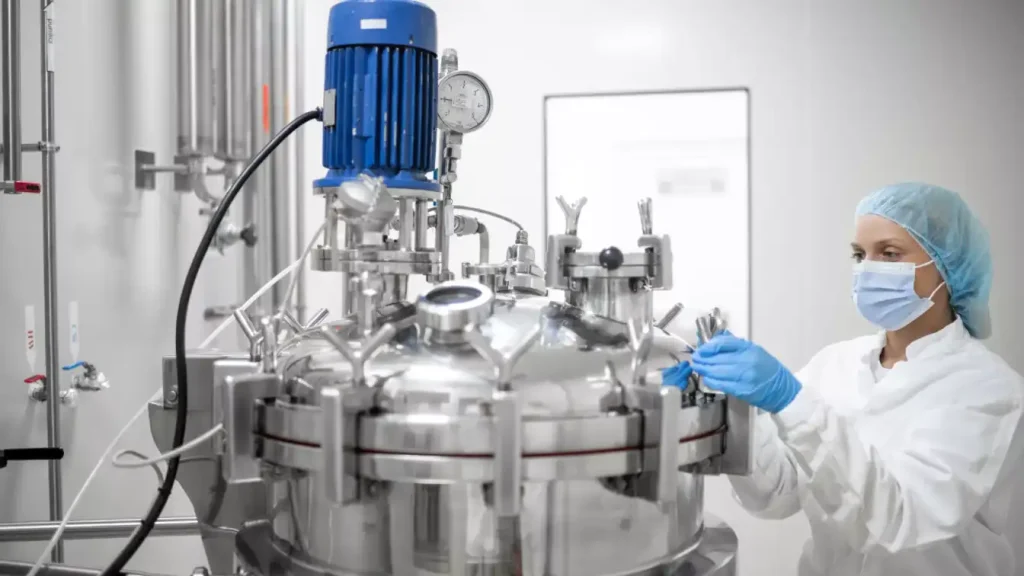
Imagine a factory floor bustling with activity, but not just machines in motion. Data flows seamlessly, painting a clear picture of every process, every machine, every decision point. This, in essence, is the power of standardized factory data. It’s not just science fiction; it’s the reality awaiting manufacturers who embrace the potential of organized information. By standardizing your factory data, you unlock a treasure trove of insights that can transform your operations and propel you towards success. Beyond the fog: seeing clearly with data visualizationStandardized data acts as a translator, turning the complex language of your machines into clear, actionable visuals. Through intuitive dashboards and interfaces, operators gain real-time insights into equipment health, production levels, and potential issues. Imagine spotting a dip in productivity or a looming equipment failure before it disrupts your entire line. That’s the power of data visualization at your fingertips. From reactive to proactive: maintenance reinventedSay goodbye to calendar-based maintenance and hello to a data-driven future. Standardized data empowers you to predict and address equipment issues before they snowball into costly downtime. Transition to condition-based maintenance, optimizing resource allocation and extending the lifespan of your assets. As you delve deeper, even predictive maintenance becomes a possibility, allowing you to anticipate and prevent failures before they strike. Data-driven decisions: steering your ship with confidenceImagine production insights seamlessly integrated with your business intelligence tools. Standardized data makes this a reality, enabling you to predict product trends, pinpoint field failures, analyze quality issues, and more. These insights equip you to make informed decisions about everything from growth strategies to process optimization and cost reduction. Edge-based data standardization further enhances this by facilitating data transfer to downstream systems, offering a holistic view of your production and empowering even smarter decision-making. Automate for efficiency: the key lies in understandingData-driven action hinges on meaningful insights. But how do you glean them from a jumble of information? Standardized data becomes your key, making it easily understandable and usable. With readily accessible insights, you can automate critical tasks, respond to events like downtime or production shortfalls with lightning speed, and ultimately streamline your operations for maximum efficiency. The data revolution is here, manufacturing plants that embrace standardized data are poised to reap the rewards. It’s not just about numbers; it’s about empowering your people, optimizing your processes, and ultimately, achieving sustainable success.
How Do You Know if Data Standardization is a Challenge?

The manufacturing landscape is awash in data, a torrent of information flowing from diverse sources – legacy systems, cutting-edge technology, and everything in between. While this data holds immense potential for optimization, efficiency, and informed decision-making, its raw, unstandardized nature poses a significant challenge. This blog delves into the complexities of data standardization in manufacturing, exploring both the hurdles and the rewards this crucial endeavor presents. Challenges: A bumpy road to standardization Legacy systems vs. new technologies: imagine a factory with a mix of vintage machinery and cutting-edge robots, each speaking its own data language. Unifying this data can be a complex and time-consuming task. Silos and shared understanding: different departments often operate independently, creating data silos. Standardizing across these silos requires collaboration and a clear understanding of the bigger picture. Cultural inertia: Change can be tough, and employees accustomed to existing systems might resist new procedures. A comprehensive change management strategy is key to overcoming this inertia. Opportunities: the golden nuggets of standardization Despite the challenges, the rewards of data standardization are undeniable: Cost savings: streamlined data management translates to significant cost savings in integration, maintenance, and reconciliation. Enhanced security: standardized data is more secure against unauthorized access and cyberattacks, boosting overall data protection. Competitive edge: standardized data becomes a strategic asset, empowering informed decision-making, boosting productivity, and reducing costs, ultimately giving you a competitive edge. Performance monitoring across sites: track progress and identify improvement areas across multiple locations with standardized data, enabling global leadership to make informed decisions. Is standardization your missing puzzle piece? Imagine struggling to decipher a book written in multiple languages, with each page formatted differently. This is the data analysis struggle without standardization. Consider these questions to gauge if your organization needs to embark on this journey: ☐ Can leadership compare performance across sites using common metrics? ☐ Can best practices be shared effortlessly across factories and production lines? ☐ Can data assess the impact of improvement initiatives on key performance indicators? ☐ Are data dashboards accessible and actionable for shop floor personnel? ☐ Can you effectively communicate progress and success stories to stakeholders? If answering these questions proves difficult, your digitalization strategy might be missing a crucial piece: data standardization.
Data Standardization: The What, the How and the Why

What is data standardization? Data standardization, in the context of manufacturing, refers to the process of organizing and formatting data in a consistent and uniform manner across different systems and departments. This ensures that data is easily accessible, understandable, and actionable, empowering manufacturers to make informed decisions based on reliable information. Why is data standardization important? Data standardization holds immense significance for manufacturers. Here are some key reasons why it is crucial for success: Unleashing the power of Industry 4.0 Data: The advent of Industry 4.0 has ushered in a new era of interconnected machines and sensors, generating vast amounts of data. Data standardization is essential to effectively managing and analyzing this data and extracting actionable insights to optimize production processes and enhance product quality. Compliance with sustainability standards: The Corporate Sustainability Reporting Directive (CSRD) now mandates large companies and listed SMEs to report on their environmental, social, and governance (ESG) performance. Standardized data plays a critical role in enabling manufacturers to gather and present accurate and consistent data on their sustainability efforts. Enhancing operational excellence: By ensuring data integrity and accessibility, data standardization lays the foundation for operational excellence. Manufacturers can identify and rectify inefficiencies, reduce costs, and improve overall performance. Unlocking predictive analytics and optimization: Standardized data provides a rich foundation for developing predictive models and optimizing production processes. Manufacturers can analyze data patterns to predict potential issues, optimize machine utilization, and enhance product quality. Standardization puts systems in place to ensure that key processes and metrics are the same or similar from site to site, for example. Implementing data standardization: A comprehensive approach Implementing data standardization involves a comprehensive approach that encompasses several key steps: Data inventory and mapping: Identify and map all data sources across the organization, including production lines, sensors, and legacy systems. Data normalization: Standardize data formats, attributes, and naming conventions to ensure consistency across systems. Data quality assurance: Implement data cleansing and validation procedures to ensure data accuracy and consistency. Data management infrastructure: Establish a centralized data management infrastructure, such as data warehouses or data lakes, to store and manage standardized data. Data governance: Establish data governance policies to manage access, usage, and security of standardized data. Benefits of Data Standardization Data standardization delivers a range of benefits to manufacturers, including: Improved data quality: Standardization ensures data accuracy and consistency, reducing the risk of errors and enabling more reliable decision-making. Enhanced data accessibility: Standardized data is easily accessible and understandable by users across different departments, promoting collaboration and informed decision-making. Reduced time to insights: Standardized data eliminates the need for manual data aggregation and cleaning, significantly reducing the time required to analyze data and derive insights. Increased operational efficiency: Data standardization enables the identification and elimination of inefficiencies, leading to improved operational efficiency and reduced costs. Regional and global leadership will be able to assess and compare like-for-like data, such as KPIs and process metrics, across different sites and locations. In conclusion, data standardization is not merely a technical initiative; it is a strategic imperative for manufacturers seeking to thrive in the data-driven era of Industry 4.0. By embracing data standardization, manufacturers can unlock a wealth of opportunities, including improved operational efficiency, reduced costs, and enhanced product quality.
EviView and Merck Win Best Process-Product Innovation Award at the Irish Medtech Awards 2023

EviView is proud to announce that their collaboration with Merck, a global pharmaceutical company, has been recognized with the Best Process-Product Award at the Irish Medtech Awards. This prestigious accolade highlights the remarkable impact of EviView’s innovative software on improving Merck’s manufacturing procedures and driving their long-term goals. Merck’s submission showcased their transformation from traditional shift handovers to a digitized, streamlined, and data-centric system. By partnering with EviView, Merck aimed to revolutionize their shift handover process and empower their workforce with timely, data-driven, and efficient shift handover tools. “We are thrilled to receive the Best Process-Product Award in collaboration with Merck,” said EviView CEO Karol Dabrowski. “This recognition highlights our commitment to driving operational excellence and sustainability in the MedTech and Pharma industries. We are proud to partner with Merck in transforming their shift communication and tier dashboards, and look forward to further innovations in the future.” EviView’s strategic execution included the seamless integration of legacy and new technologies, addressing the complexities of various systems and tools. This holistic approach encompasses seamless data flow, multi-departmental engagement, real-time monitoring, and future-proofing. Dabrowski continues, “The recognition of EviView and Merck winning the Best Process-Product in the Irish Medtech Awards affirms our commitment to innovation, sustainability, and excellence in the manufacturing industry. This achievement showcases the transformational power of collaborating with EviView in driving continuous improvement and achieving operational excellence.”