
How Daily Huddle Meetings Improve Shift Communication

Shift communication can decide how smoothly a production day runs. A missing update, unclear instruction, unresolved equipment issue, or late escalation can create confusion before the next team has even started work. When communication is rushed or inconsistent, teams spend valuable time asking the same questions, chasing context, and correcting avoidable mistakes. A daily huddle meeting helps prevent this. It gives teams a short, structured moment to align on priorities, review issues, share important updates, and agree on the next actions. Instead of relying on scattered conversations or memory, teams get a clear rhythm for keeping shift communication accurate and timely. A well run daily huddle meeting is not just another meeting. It is a practical tool for improving visibility, accountability, and coordination across shifts. What Is a Daily Huddle Meeting? A daily huddle meeting is a short, focused team meeting used to review current work, share updates, identify problems, and confirm priorities. In manufacturing and production environments, it is often held at the start of a shift, during handover, or at a set point in the daily operating routine. The purpose is simple. Everyone should leave the huddle knowing what matters today, what has changed, what risks need attention, and who owns the next steps. A daily huddle meeting is usually brief. It should not become a long discussion or a full problem solving session. The value comes from speed, structure, and consistency. Why Shift Communication Breaks Down Shift communication often breaks down because important information is spread across too many places. One update may be shared verbally. Another may be written in a notebook. A maintenance concern may sit in a separate system. A quality decision may be known by one person but not the full team. This creates gaps between what one shift knows and what the next shift needs to know. Common problems include unclear priorities, missed actions, repeated questions, delayed escalations, and different versions of the same issue. These gaps are rarely caused by people not caring. They usually happen because there is no consistent process for sharing the right information at the right time. A daily huddle meeting gives teams that process. The Link Between Huddles and Better Shift Handover Shift handover is one of the most important points in the working day. It is also one of the easiest places for information to be missed. When one team leaves and another takes over, open issues, equipment status, quality concerns, safety updates, and action ownership need to be clear. A daily huddle meeting strengthens handover by creating a repeatable communication point. Instead of each shift relying on different habits, the team follows the same structure every time. The huddle can confirm what happened on the previous shift, what is still open, what needs attention now, and what should be escalated. This helps the incoming team start with better context and fewer assumptions. What a Daily Huddle Meeting Should Cover A good huddle should focus on information that helps the team work safely, efficiently, and with fewer surprises. Too much detail can slow the meeting down. Too little detail can leave people unclear. Huddle topic What to discuss Why it matters Safety updates Incidents, risks, near misses, or required precautions Keeps safety visible before work begins Production status Output, schedule, downtime, or plan changes Helps teams understand current performance Quality concerns Deviations, checks, holds, rejects, or open decisions Prevents quality issues from being missed Equipment status Breakdowns, restrictions, maintenance needs, or faults Reduces confusion around machine availability Open actions Owners, due dates, blockers, and follow up Improves accountability across shifts Escalation needs Issues requiring support from another team or leader Speeds up decisions and removes blockers The exact agenda should match the operation. What matters is that the meeting stays focused on the information people need to act. Keep the Meeting Short and Useful A daily huddle meeting should be short enough to become part of the normal shift rhythm. If it takes too long, people may start to see it as a delay rather than a support. The best huddles are direct and practical. They focus on facts, changes, risks, and actions. Longer problem solving can happen after the huddle with the right people involved. A simple structure helps keep the meeting on track: • What changed since the last shift• What needs attention today• Which actions are open or blocked• What needs escalation• Who owns the next step This keeps the huddle useful without turning it into a long operational review. Make Priorities Clear Before Work Begins One of the biggest benefits of a daily huddle meeting is priority alignment. Teams should not start the shift with different assumptions about what matters most. For example, production may be focused on meeting output, while quality may be waiting for a decision before work continues. Maintenance may know that an asset has a restriction, but operators may not have heard the update. Planning may have changed the schedule, but the change may not have reached the floor. The huddle brings these updates together. It gives the team a shared view of the current situation before work begins. This reduces confusion and helps people make better decisions during the shift. Improve Accountability Without Creating Blame Daily huddles improve accountability because they make actions visible. When an issue is raised, the team can confirm who owns the next step and when it needs to be reviewed. This does not mean the meeting should be used to blame people. In strong huddle routines, ownership means responsibility for follow up. The action owner may need to check equipment status, confirm a quality decision, update a handover note, speak with maintenance, or escalate a blocker. Visible ownership prevents open issues from drifting. It also helps the next shift understand what is already being handled and what still needs attention. When accountability is handled well, the huddle builds trust. People know that problems will be discussed, but they also know the goal is to solve them. Use Huddles to Escalate
Best Shift Handover Software of 2025

Shift handovers are a critical part of daily operations in industries like manufacturing, energy, and pharmaceuticals. When information is lost or miscommunicated during these transitions, the consequences can include downtime, safety incidents, compliance risks, and reduced productivity. As industrial environments become more complex and data-driven, organizations are replacing paper logbooks and spreadsheets with digital shift handover systems. The best software solutions do more than just record events, they enable consistent communication, improve traceability, and help teams make better decisions based on real-time operational data. This expert comparison highlights the top shift handover platforms available in 2025. It provides an overview of how each tool supports operational continuity, safety, compliance, and performance improvement, helping leaders select the right solution based on their unique needs. 1. EviView EviView is a shift handover solution built specifically for pharmaceutical and manufacturing teams that require strict compliance, full traceability, and data-driven insights. It combines structured digital shift logging with real-time visibility into operational data. Managers and frontline teams can capture events, issues, and KPIs in one centralized system that supports decision-making and continuous improvement. Unlike generic logbook tools, EviView is designed for regulated environments, with audit-ready records and customizable workflows that align with GMP and other compliance frameworks. It also integrates with existing ERP and MES systems to create a unified operational view. For teams seeking operational excellence, EviView offers more than just documentation, it drives smarter, safer, and faster shift transitions. 2. Hexagon Hexagon’s J5 Shift Handover software offers a web-based alternative to spreadsheets and paper-based logbooks. It provides configurable templates and supports integration with control room systems. The platform is designed for industrial operations where structured communication is essential. While it effectively digitizes handovers, it focuses more on standardization than real-time analytics or production improvement. 3. Intellipermit Intellipermit includes shift handover as part of its permit-to-work system. The platform emphasizes safety and operational risk, helping supervisors transfer job and hazard information across shifts. It is useful in environments where permits and safe work practices are closely tied. The handover feature is functional, but secondary to the system’s core focus on work authorization. 4. Innovapptive Innovapptive offers a shift handover solution within its connected worker platform. It is designed for asset-intensive operations and integrates with SAP, allowing field teams to document shift activity using mobile devices. The platform supports visibility into open tasks and ongoing work. It is best suited for organizations already invested in SAP workflows, rather than regulated manufacturing environments. 5. Sphera Sphera includes shift handover capabilities as part of its Operations Logbook, which sits within its process safety suite. It enables teams to record operational events and updates in a centralized digital log. The system supports safe transitions in high-risk industrial settings. Its primary focus remains on safety and compliance rather than continuous operational improvement. 6. Evotix Evotix offers a shift handover feature as part of its broader EHS software. It supports safe and structured communication between outgoing and incoming teams, especially for documenting safety issues or unresolved incidents. The tool fits well in organizations focused on health and safety. It is not built for manufacturing analytics or performance optimization. How to Choose the Best Shift Handover Software for Your Operations When selecting a shift handover platform, the goal isn’t just to digitize logbooks. The right solution should reduce miscommunication, improve traceability, and support operational consistency across shifts. Below are the key factors to consider when evaluating options. Does it support your industry’s compliance requirements? Shift handover processes are tightly linked to compliance in industries like pharmaceutical manufacturing, energy, and food production. Make sure the software can align with your specific regulatory standards, whether that includes GMP, FDA, ISO, or OSHA. It should offer audit-ready logs, timestamped entries, and secure user access controls to support inspections and internal audits. Can it capture and share critical shift data in real time? Your team needs immediate access to up-to-date shift information to make informed decisions. Look for platforms that allow real-time logging, visibility across departments, and clear handoff of unresolved issues or tasks. This helps eliminate communication gaps and reduces the risk of errors between shifts. Is the interface easy for frontline teams to use? If the software is too complex, adoption will be a challenge. The solution should be simple enough for operators, technicians, and supervisors to use consistently. Clear layouts, minimal manual input, and mobile access are important features that increase daily usability across teams. Can it integrate with your existing systems? A shift handover tool should connect to your broader operational systems like ERP, MES, or maintenance software. Integration ensures that shift data flows seamlessly into other critical workflows, avoiding duplication and maintaining data accuracy across platforms. Does it help track trends and recurring issues? Beyond documenting each shift, the software should help you identify patterns over time. Look for features that allow you to review historical handovers, analyze common equipment failures, or track unresolved issues. This kind of visibility is essential for continuous improvement and root cause analysis. Is it configurable to match your internal processes? Your handover process is unique to your operation. Choose a platform that lets you configure categories, terminology, approval steps, and user roles. A flexible system will adapt to your workflows rather than forcing your team to adapt to the software. Conclusion Choosing a shift handover solution is no longer just about replacing paper logs. It’s about selecting a tool that supports your team’s ability to communicate effectively, operate safely, and continuously improve. The software options available today vary in focus — some prioritize safety, others focus on asset management — but the most effective platforms combine structured handovers with actionable data and seamless integration into your existing systems. As operations scale and compliance demands increase, the value of a robust, configurable, and user-friendly shift handover system becomes clear. Whether you’re in manufacturing, pharmaceuticals, or heavy industry, the ability to document, track, and analyze shift activity is essential to operational excellence. Ready to Choose the Right Shift Handover Software for Your Operations? This
Best Practices for Flow Production Tracking in Manufacturing

In production environments where efficiency is critical, flow production tracking is not optional. Manufacturers running continuous or semi-continuous operations need more than visibility. They require precision, responsiveness, and data that reflects real-time performance. Whether the issue is excess WIP, unplanned downtime, or inconsistent throughput, the root cause often relates to poor tracking or fragmented visibility. This article breaks down real-world best practices for flow production tracking in the chronological order they should be implemented. These are not theories, but steps grounded in the needs of modern manufacturing floors. Start with a Unified Production Framework Flow production tracking starts long before sensors or dashboards are involved. It begins by standardizing how production is defined and measured across the plant. Each production stage should be clearly mapped with defined cycle times, inputs and outputs, and status codes. Use consistent naming conventions and measurement units across teams and shifts. Without this foundation, tracking systems will produce fragmented and unreliable data. For instance, if one team logs downtime in minutes and another in shift blocks, there is no way to compare performance. The entire tracking process relies on a shared understanding of what is being measured. Real-Time Data Must Replace Manual Logs Production moves continuously. Therefore, your tracking systems must operate with the same urgency. Manual logging or retrospective updates introduce time delays and inaccuracies that cannot be corrected after the fact. Real-time capture should be the default. Machines should provide automatic signals for start and stop times, cycle completion, and faults. Operator actions can be tracked using badge scans or station input panels. The goal is to create time-stamped records for each movement on the line. If your data arrives after the shift ends, you are not tracking production. You are documenting history. Track Flow Balance, Not Just Output A common mistake in flow production tracking is focusing only on output numbers. While total units are important, the true measure of efficiency lies in how well the flow is balanced across stations. An unbalanced flow shows up as WIP pile-ups between stations, idle time in downstream processes, and erratic output. These are not always caused by major breakdowns. Often, they stem from small imbalances in cycle times or inconsistent operator performance. Tracking should reveal where your flow is breaking down. That means logging not just final output but how long each product or batch takes at each stage. Once that information is visible, it becomes possible to adjust resources and workloads to maintain a consistent flow. Capture Microstoppages and Minor Delays Major stoppages are easy to track. What often goes unnoticed are the microstoppages—brief interruptions lasting 10 to 60 seconds that occur dozens of times per shift. These events rarely get logged by operators and often seem too minor to investigate. Yet over a month, they can lead to significant losses in uptime and throughput. Your system should detect and timestamp every delay, even the short ones. If a conveyor stops moving for 20 seconds or a part is held up in an inspection cell, that event should be recorded. Over time, patterns will emerge, such as specific shifts with more frequent pauses or certain machines that experience repeated micro-jams. This is where improvement opportunities hide. Without capturing them, you risk missing the true reasons behind your performance shortfalls. Add Context to Every Data Point Raw numbers are only useful when paired with operational context. To get full value from flow production tracking, every data point should be connected to who was involved, when it occurred, and what else was happening at the time. For example, tracking systems should include: With this context, it becomes easier to uncover trends. A process that runs smoothly on the day shift but struggles overnight may point to training gaps or staffing mismatches. A workstation that sees more slowdowns when producing a certain batch may signal equipment incompatibility. Adding context turns data from a report into a story. That story leads to action. Focus on In-Process Monitoring, Not End-of-Shift Reporting Many production systems are designed around daily summaries. These reports are useful for trend analysis, but they do little to prevent problems in the moment. Flow production tracking should support live decision-making. That means tracking the following metrics while the line is still running: Supervisors should not have to wait until the end of a shift to know whether they are ahead or behind. If the line is trending 15 percent below expected output halfway through the shift, that insight must be visible immediately so that resources can be reallocated or processes adjusted. End-of-day data may explain what happened. In-process data helps you change the outcome. Connect Maintenance and Quality to the Same Data Stream Flow production tracking should not be siloed from other operational systems. When connected with maintenance and quality data, it becomes a powerful tool for continuous improvement. For example, tracking machine slowdowns alongside fault reports can reveal when preventive maintenance is needed. Likewise, connecting quality inspections to production stages allows you to see whether defects are tied to specific lines or conditions. This integrated approach ensures that teams are not working in isolation. Everyone from quality control to engineering is working from the same source of truth. Review Trends Weekly and Act on Them Daily data shows you what is happening. Weekly trends reveal whether improvements are taking hold or if recurring issues are still unresolved. Make time for structured reviews of production data each week. Compare current performance against baselines. Identify which stations or shifts are improving and which are struggling. Use that information to plan operator training, maintenance tasks, or line adjustments. Flow production tracking should be part of a broader performance management system. Without weekly reflection, the tracking becomes reactive rather than proactive. Start Small and Scale What Works Trying to instrument every process at once often leads to delays, confusion, and wasted effort. A better approach is to choose one high-impact area, such as your most critical production line, and implement detailed tracking there first. Refine the data,
How Smart Shop Floor Management Improves Productivity and Quality

The production floor is the heart of any manufacturing operation. Every decision made on the shop floor impacts output, quality, and the bottom line. In industries where every minute and every metric count, shop floor management has evolved from a task of oversight to a discipline that drives competitive advantage. Smart shop floor management is not simply a software trend. It is a response to real problems that manufacturing teams face daily. Delays in response. Miscommunication between shifts. Missed defects. Equipment failures that could have been predicted. Each of these issues translates to lost time, lost product, and lost revenue. Defining Shop Floor Management in the Modern Context Shop floor management refers to the systems and processes used to monitor, control, and improve operations on the production floor. In the past, this often meant supervisors walking the floor, updating paper logbooks, and passing handwritten notes between shifts. That approach is no longer viable for today’s manufacturing demands. Modern operations require immediate insight, digital traceability, and the ability to respond in the moment rather than after the fact. Smart shop floor management brings all operational data into a single, digital environment. Supervisors no longer have to search for updates or rely on verbal briefings. Instead, they view real time production performance, equipment status, operator input, and quality metrics from a unified interface. This shift in visibility enables a shift in control. Eliminating the Common Causes of Inefficiency Without modern tools, the shop floor becomes a blind spot. Teams rely on delayed reports or siloed communication. When something goes wrong, no one knows until it is already too late. The same issue repeats itself day after day with no structured escalation or resolution. Smart shop floor management closes these gaps. It enables faster identification of production risks. It standardizes shift handovers so that every team starts with full situational awareness. It connects quality data directly with live production. It allows teams to log deviations, initiate corrective actions, and document resolutions while the event is still unfolding. Every one of these functions supports a more proactive and productive environment. Improving Productivity Through Real Time Oversight When production managers have access to real time data, their ability to lead improves immediately. They can identify slowdowns or stoppages without walking to each line. They can respond to equipment alarms and maintenance flags the moment they occur. They can direct their teams based on what is happening now, not what happened yesterday. Smart shop floor management also supports better resource allocation. If one line is behind schedule due to an operator shortage or raw material delay, supervisors can reassign labor or reprioritize tasks without guesswork. Over time, this visibility leads to measurable productivity gains. Teams learn to anticipate problems rather than react to them. Performance becomes easier to track and optimize. Small issues are resolved before they grow. Quality Assurance That Moves With Production Quality issues are often a result of timing. If deviations are detected too late, the affected batch may already be packaged or shipped. If inspections are logged manually and reviewed after production, there is no opportunity for real time correction. Smart shop floor systems allow for continuous quality monitoring. Operators can perform in process checks and log results instantly. If any value falls outside the acceptable range, the system can trigger alerts, hold the affected product, and escalate the issue for investigation. This real time quality control reduces the amount of rework required. It also improves first pass yield by preventing defects from continuing through the line. For regulated industries, it supports traceability and audit readiness with automatic records of all checks and responses. Solving the Shift Handover Problem Shift transitions are one of the highest risk points on the production floor. If critical information is not passed on clearly, the next team may miss tasks, repeat work, or run equipment without awareness of ongoing issues. Smart shop floor management systems structure this transition. Outgoing teams log updates, flag incomplete actions, and note any events that occurred during their shift. Incoming teams receive this information in a clear, timestamped format. Nothing is left to memory. Nothing is lost in translation. This continuity between shifts improves operational flow. It also builds accountability. Teams take ownership of their time on the floor, knowing their input will guide the next shift’s work. Turning Data Into Continuous Improvement Beyond daily operations, shop floor management provides the data foundation for long term performance improvement. Every log, every downtime event, every quality check becomes part of a historical record. When reviewed regularly, this data highlights patterns and points to root causes. Operations teams can analyze downtime trends and identify which assets or processes are responsible for the most losses. Quality teams can trace the source of repeated deviations. Maintenance teams can move from reactive to preventive planning. Smart shop floor systems like EviView make these insights easy to access. Built in analytics tools allow managers to filter, visualize, and compare performance data across time periods, product lines, and facilities. The result is a more informed and responsive improvement cycle. Ensuring Compliance in Regulated Manufacturing For pharmaceutical manufacturers and other regulated sectors, operational records are not only important for performance but also required for compliance. Manual logbooks and isolated spreadsheets expose companies to audit risk, incomplete records, and data integrity concerns. Digital shop floor systems maintain secure, timestamped records of all actions taken on the floor. This includes equipment checks, deviation reports, shift handovers, and corrective actions. Every entry is linked to a user identity and cannot be altered without trace. This level of control supports compliance with global regulatory frameworks and strengthens readiness for inspections or audits. How EviView Supports Smart Shop Floor Management EviView is designed specifically to support smart shop floor operations. It offers a digital environment where shift data, equipment insights, quality events, and operational tasks are captured and shared in real time. The platform enables structured shift handovers, centralized deviation tracking, real time alerts, and analytics dashboards for performance monitoring. It also supports
How Digital Logbooks Reduce Shift Handover Errors

No matter how advanced your production line is, the moment between one shift ending and another beginning remains one of the riskiest gaps in your operation. Problems are often carried over instead of resolved, and critical information can get buried in hand-scribbled notes or verbal updates. This article explores how digital logbooks solve this overlooked yet costly issue by improving the reliability and traceability of shift handovers. Why Shift Handover Errors Happen If you’ve ever dealt with an unexpected equipment failure that “was acting up last night” or a batch deviation that “should have been flagged hours ago,” then you’ve felt the impact of handover breakdowns. Before discussing solutions, we need to understand why these failures happen so frequently—and why traditional systems make them worse. Manual Logbooks Leave too Much to Interpretation Operators often rely on quick notes, half-finished sentences, and assumptions that the next shift “will know what I meant.” These small compromises in clarity multiply across time and teams—leading to missed actions, repeated errors, and in some cases, unsafe conditions. Incomplete or Delayed Information Transfers Handwritten logs are typically filled at the end of a shift, not in the moment. That delay creates information gaps, especially when urgent events occur near shift change. Important alerts, anomalies, or informal fixes may never make it to the next team with the urgency they require. Lack of Traceability and Accountability Who logged the issue? When? Was it followed up on? In paper-based systems, these are hard questions to answer—and even harder to prove during an audit. This lack of traceability increases exposure to compliance failures and erodes team trust. What Are Digital Logbooks? The term “digital logbook” doesn’t just mean a digitized version of a notebook. These are intelligent, purpose-built tools that integrate directly into your operations. To understand their impact, it’s important to clarify what they are, and what sets them apart from paper logs or even spreadsheet-based tracking. A digital logbook is a centralized platform where operational events, shift notes, deviations, and ongoing tasks are logged in real time and shared across teams. They offer structured fields, validation rules, media attachments, and integration with MES, SCADA, or CMMS systems. In short, they transform shift reporting from a passive document into an active part of your daily operation. How Digital Logbooks Reduce Shift Handover Errors Solving handover issues requires more than recording data—it’s about making that data usable, timely, and tied to action. This section breaks down the practical ways digital logbooks help teams prevent errors before they start, and fix them faster when they occur. Enforcing Consistency with Structured Data Entry In traditional systems, the quality of log entries depends on the person writing them. Digital logbooks remove that variability by using predefined fields, dropdowns, and templates that ensure nothing critical is skipped or misrecorded. Everyone reports issues the same way—every shift, every site. Enabling Real-Time Data Sharing and Visibility No more waiting for a physical logbook to be reviewed, or for notes to be relayed manually. Digital entries update in real time, which means supervisors and incoming teams are always working with the latest information. This reduces overlap, misunderstandings, and response delays. Capturing Context with Media and Integrated Systems Operators can attach photos, videos, or IoT data to their entries. A picture of a leaking valve or a screenshot of a PLC alert provides instant clarity that no sentence could capture alone. This creates shared understanding across teams and removes ambiguity from critical events. Facilitating Accountability and Follow-Through Each log entry is tied to a user, a time, and a system. If something requires follow-up, the digital logbook creates a task, tracks its status, and flags it if it’s not resolved. Nothing slips through the cracks between shifts. Compliance and Audit Readiness Auditors don’t care about your intentions—they care about your records. When compliance is on the line, digital logbooks eliminate the stress and inconsistency of paper-based documentation. This section outlines how they make your records more audit-ready and your teams more confident. Digital Records Provide Tamper-Proof Audit Trails Every entry is locked and time-stamped. Any edits are tracked. This ensures data integrity and demonstrates a clear chain of custody, which is critical in GMP environments and regulated industries. Improved Document Retention and Retrieval Instead of sorting through binders or trying to decipher months-old handwriting, teams can instantly retrieve entries based on filters like date, shift, equipment ID, or issue type. This saves hours during inspections and investigations. Ensuring Standard Operating Procedure (SOP) Compliance Digital logbooks can embed SOPs directly into workflows, ensuring that operators not only log events but also verify that procedures were followed. This closes the loop between documentation and execution. Reducing Human Error Through System-Driven Oversight Human error is inevitable—but it doesn’t have to be expensive. This section shows how digital logbooks act as a safeguard that reinforces accuracy, prevents omissions, and supports real-time corrections. Error Prevention Through Entry Validation Fields can be configured to only accept valid ranges, require confirmations, or trigger alerts if expected values aren’t met. This minimizes mistakes caused by typos, missed steps, or unclear input. Cross-Shift Continuity with Roll-Over Logs Tasks or anomalies don’t disappear just because a shift ends. Digital logbooks automatically roll unresolved items forward, keeping them front and center until they’re closed out. This builds accountability and prevents recurrence. Decision Support Through Analytics With structured data over time, teams can identify patterns: which assets break down the most, which shifts report more deviations, and where SOP adherence is weakest. These insights fuel proactive decisions and targeted improvements. The Business Case for Digital Logbooks Moving from paper to digital isn’t just about convenience—it’s about return on investment. This section focuses on how digital logbooks directly impact uptime, compliance, and operational agility. Measurable Impact on Downtime and Throughput Fewer handover mistakes mean fewer stoppages. Faster access to context means quicker interventions. Digital logbooks help maintain production flow
How Digitalization is Redefining Shift Handover Efficiency in Energy Plants

Shift handovers in energy plants are critical moments where operational continuity, safety, and performance hinge on effective communication. Traditionally, these handovers relied on verbal updates, handwritten logs, or static spreadsheets, leaving room for errors, omissions, and delays. In a sector where even minor miscommunications can lead to costly downtime or safety risks, improving handover efficiency is essential. Digitalisation is transforming how shift handovers are managed in energy plants. With the integration of digital tools, real-time data, and centralized communication platforms, these processes are becoming more streamlined, accurate, and reliable. This article explores how digitalisation is revolutionizing shift handover efficiency in energy plants and what benefits it brings to operations. The Challenges of Traditional Shift Handovers Before diving into the benefits of digitalisation, it’s important to understand the limitations of traditional shift handovers. Information Gaps and Miscommunication In traditional setups, shift handovers often rely on verbal briefings or handwritten notes. These methods are prone to miscommunication and can lead to critical information being missed or misinterpreted. Example: An outgoing shift might fail to mention a minor issue with a piece of equipment, leaving the incoming team unaware. Over time, this oversight could escalate into a major problem. Lack of Real-Time Data Traditional handovers typically involve static data, such as printed reports or manual logs. This means the incoming team starts their shift with outdated information, limiting their ability to respond effectively to current conditions. Inconsistent Documentation Without standardized processes, the quality of shift handover documentation can vary significantly between teams. This inconsistency creates operational inefficiencies and increases the risk of safety incidents. How Digitalization Enhances Shift Handover Efficiency Digital tools address these challenges by providing a structured, data-driven approach to shift handovers. Here’s how digitalisation is reshaping this critical process: 1. Real-Time Data Access Digital platforms allow teams to access real-time data from equipment sensors, control systems, and other monitoring tools. This ensures that both outgoing and incoming shifts work with the most up-to-date information. Benefit: Teams can immediately address any ongoing issues, improving response times and minimizing downtime. Scenario: In a wind farm, digital dashboards display live performance data for each turbine. The incoming shift can quickly see which turbines require maintenance, ensuring a seamless transition of responsibilities. 2. Standardized Communication Digital handover tools provide templates and forms that ensure all critical information is captured consistently across shifts. This standardization reduces the risk of miscommunication and ensures that nothing important is overlooked. Example: A digital handover system prompts outgoing operators to record specific details, such as equipment status, pending tasks, and safety concerns. This information is automatically shared with the incoming team. 3. Centralized Documentation All handover data is stored in a centralized digital repository, making it easy to track historical trends, review past incidents, and ensure accountability. Benefit: This centralized approach provides a clear audit trail, which is invaluable for compliance and performance analysis. 4. Enhanced Collaboration and Visibility Digital tools facilitate better collaboration by allowing multiple teams to access and update shared information in real time. Supervisors can monitor handover processes remotely, ensuring that all protocols are followed. Scenario: In a nuclear power plant, supervisors use digital handover software to review shift logs and provide guidance on critical issues, even when they’re off-site. Key Benefits of Digitalised Shift Handovers Improved Operational Continuity By ensuring that all teams have access to the same accurate, real-time information, digital tools help maintain smooth operations across shifts. Result: Reduced downtime, fewer operational disruptions, and more efficient use of resources. Increased Safety and Compliance Standardized and well-documented handovers reduce the likelihood of safety incidents and ensure compliance with industry regulations. Example: A gas plant uses digital handover logs to track safety checks and maintenance tasks, ensuring all regulatory requirements are met. Time Savings Automating the handover process eliminates the need for lengthy manual updates and reduces the time spent searching for information. Benefit: Teams can focus more on proactive problem-solving rather than administrative tasks. Real-World Applications Case Study 1: Enhancing Efficiency in a Hydroelectric Plant A hydroelectric plant struggled with inconsistent shift handovers, leading to frequent operational delays. After implementing a digital handover system, the plant saw a 20% improvement in shift transition times. Operators could access real-time performance data and standardized logs, ensuring a smooth flow of information. Case Study 2: Improving Safety in a Refinery A refinery faced challenges with tracking safety incidents across shifts. Digital handover tools provided a centralized platform for logging incidents and follow-up actions. This system improved visibility and accountability, reducing safety incidents by 15% within six months. Best Practices for Implementing Digital Shift Handovers Start with a Pilot Program Begin by implementing digital handovers in a single department or shift. This allows teams to familiarize themselves with the new system and provides an opportunity to gather feedback and refine processes before scaling up. Choose the Right Tools Select a digital platform tailored to your plant’s specific needs. Look for features such as real-time data integration, customizable templates, and centralized documentation. Train Your Teams Ensure all employees understand how to use the digital handover system effectively. Provide hands-on training and offer ongoing support to address any challenges. Monitor and Optimize Regularly review the performance of your digital handover process. Use analytics and feedback to identify areas for improvement and optimize workflows. The Future of Shift Handover Efficiency in Energy Plants As digital technologies continue to evolve, the potential for improving shift handovers will only grow. Emerging innovations such as artificial intelligence and machine learning could further enhance decision-making, providing predictive insights and automating routine tasks. Energy plants that embrace digitalisation will be better equipped to navigate the challenges of a rapidly changing industry, ensuring safe, efficient, and reliable operations. Conclusion Digitalisation is redefining shift handover efficiency in energy plants, transforming a traditionally error-prone process into a streamlined and reliable operation. By adopting digital tools, energy plants can enhance communication, improve safety, and maintain seamless operational continuity. For organizations looking to stay competitive, investing in digital handover systems is no longer just an option—it’s a necessity.
How Digital Tools Revolutionize Shift Handovers in Complex Industries

Shift handovers can make or break operations in complex industries. A poorly managed handover leads to miscommunication, lost information, and costly errors. Whether it’s a manufacturing plant, an energy facility, or a pharmaceutical production site, ensuring seamless transitions between shifts is critical to maintaining productivity and safety. Traditional methods like paper logs and verbal updates often fall short. They’re prone to errors, hard to track, and lack the transparency needed for modern operations. Enter digital tools, which are transforming the way shift handovers are managed. Let’s explore how these tools are revolutionizing operations in complex industries. Why Shift Handovers Matter in Complex Industries Shift handovers aren’t just about passing the baton; they’re about transferring critical information to keep operations running smoothly. In industries with high stakes, like energy and manufacturing, even small errors during handovers can lead to significant downtime, safety risks, or production losses. Challenges of Traditional Shift Handovers Lack of StandardizationWithout a standardized process, different teams might record and share information in varying ways. This inconsistency can result in missing or misinterpreted data, leaving incoming teams unprepared to address ongoing or emerging issues. Incomplete InformationVerbal handovers and handwritten notes often miss key details. For example, an overlooked equipment malfunction or a pending task can cause delays or safety incidents during the next shift. Limited AccountabilityWhen information isn’t properly documented, it becomes difficult to track who was responsible for a specific task or decision. This lack of accountability can lead to unresolved issues and finger-pointing when things go wrong. How Digital Tools Are Changing the Game Digital shift handover tools are designed to address these challenges head-on. They replace outdated methods with systems that provide real-time updates, standardized reporting, and easy access to historical data. Key Benefits of Digital Tools 1. Improved Communication and Transparency Digital tools provide a centralized platform where all updates, incidents, and tasks are logged in real-time. Everyone involved in the operation, from floor workers to management, has access to the same information. This transparency ensures that nothing gets lost in translation and that each team member knows exactly what’s happening. Example: In a manufacturing plant, if a machine shows signs of wear, this information is logged digitally along with any maintenance actions taken. The incoming shift can immediately see this and prioritize further checks or repairs. 2. Standardized Processes Digital systems enforce a consistent handover format. Instead of relying on individual preferences, every shift follows the same structured reporting process. What This Looks Like: Each handover includes fields for key metrics, such as production output, equipment status, and pending tasks. This ensures that teams focus on the most important data, reducing the risk of missing critical updates. Outcome: This structure not only improves shift-to-shift continuity but also helps in long-term data analysis, allowing companies to spot patterns and make informed improvements. 3. Real-Time Data and Insights Many digital handover tools integrate with other systems, providing live data from the production floor. Teams can monitor everything from machine performance to safety metrics in real-time. Impact: Managers and operators can act quickly on any anomalies, preventing small issues from escalating into major problems. Enhanced Decision-Making: With access to real-time data, decisions are no longer based on assumptions. Teams have the information they need to optimize workflows and respond dynamically to changing conditions. 4. Enhanced Accountability Every entry in a digital tool is linked to a specific user, creating a clear record of who completed what tasks and when. Accountability in Action: If a maintenance check is logged as incomplete, the responsible party is identified, ensuring that nothing slips through the cracks. This not only improves individual accountability but also boosts overall team performance by fostering a culture of responsibility. Incident Investigation: In the event of an error or downtime, digital records make it easy to trace the chain of events, helping teams quickly identify root causes and implement corrective measures. 5. Seamless Integration with Existing Systems Digital handover tools often integrate with other critical systems, such as maintenance management, production analytics, and safety incident reporting. Integration Benefits: This connectivity provides a holistic view of operations. For instance, if a machine requires urgent maintenance, the system can automatically notify both the maintenance team and the incoming shift, ensuring everyone stays aligned. Real-World Impact of Digital Shift Handover Tools Case Study: Manufacturing Industry A large manufacturing company struggled with frequent downtime due to miscommunication during shift handovers. After implementing a digital handover tool, they saw a 20% reduction in downtime. Teams were better informed, and managers could quickly address issues flagged during the handover process. Specific Outcome: Operators could log machine performance metrics in real time, allowing incoming teams to identify inefficiencies immediately. Over time, this led to more proactive maintenance and fewer unexpected breakdowns. Case Study: Energy Sector In an energy plant, safety incidents were often linked to incomplete handover information. By switching to a digital system, they ensured that all critical updates were documented and accessible. Specific Outcome: With all safety protocols and incidents clearly logged, incoming teams had a full picture of potential risks. Within six months, the plant saw a 15% decrease in safety incidents and significantly improved regulatory compliance. Choosing the Right Digital Tool Not all digital handover tools are created equal. When selecting a system, consider the following: 1. Ease of Use A tool is only effective if people actually use it. The system should be intuitive, with minimal training required for your teams to get started. Example: A straightforward interface with clear input fields and drop-down menus ensures fast adoption. This minimizes resistance and maximizes the tool’s impact. 2. Customization No two industries operate the same way. Your handover tool should adapt to your specific requirements, not the other way around. What to Look For: The ability to add custom fields, tailor reports, and adjust workflows according to your team’s needs. For instance, a pharmaceutical plant may need to track compliance details, while a food production facility focuses on quality control metrics. 3. Integration Capabilities A good digital tool doesn’t
The Hidden Cost of Poor Shift Handover: How to Fix It

Every manufacturing plant, biotech facility, and pharmaceutical site knows the importance of smooth operational continuity. Yet, when it comes to shift handovers—one of the most routine yet critical processes—many companies find themselves grappling with inefficiencies that disrupt operations, drive up costs, and create safety risks. Shift handover is more than a scheduled exchange of information. It is the moment when accountability is transferred, operational progress is updated, and unresolved issues are addressed. When executed poorly, it can trigger a ripple effect of downtime, safety incidents, and quality concerns that compound over time. The real cost? Much higher than most organizations realize. In this article, we’ll dig into the hidden costs of ineffective shift handovers, explore why traditional methods are failing modern operations, and highlight actionable strategies to address these challenges. The Cost of Poor Shift Handover: A Chain Reaction 1. Downtime and Operational Delays Every missed piece of information in a shift handover can quickly snowball into lost production time. Consider the scenario: the night shift detects a minor issue with a machine but fails to communicate it effectively during handover. The morning team begins operations without awareness of the problem, only to encounter a full equipment breakdown hours later. This kind of scenario is alarmingly common and incredibly costly. Recent studies estimate that industrial manufacturers face losses of approximately $50 billion annually due to this issue.The root cause? Inconsistent communication and incomplete documentation during the shift change process. When handovers are poorly executed, incoming teams are left playing catch-up: Operators spend their first hours clarifying notes or troubleshooting unresolved issues. Maintenance crews aren’t notified of repairs in time, delaying corrective actions. Site leaders lose valuable time piecing together fragmented updates from multiple shifts. For manufacturing facilities with high-value product lines—like pharmaceuticals or biotech—the stakes are even higher. Every moment of downtime doesn’t just result in lost revenue; it disrupts critical supply chains, delays product deliveries, and erodes customer trust. 2. Safety Risks and Compliance Challenges Safety is non-negotiable in industrial settings, yet it is often compromised when shift handovers are mishandled. When safety-critical details—such as equipment hazards, near-misses, or safety incidents—are overlooked or poorly communicated, the consequences can be catastrophic. For example, consider a near-miss involving a forklift that wasn’t logged during the night shift. By the time the next shift takes over, operators are unaware of the hazard, increasing the likelihood of an accident. Beyond the immediate safety risks, such incidents also pose serious compliance challenges in heavily regulated industries like pharmaceuticals or food production. In these industries, maintaining accurate and comprehensive documentation is essential for meeting OSHA, FDA, or ISO standards. Missing or inconsistent records during an audit can result in: Hefty fines and penalties. Operational shutdowns until compliance is restored. Long-term reputational damage that impacts customer confidence. Poor shift handovers leave organizations vulnerable to these risks. Without a clear, consistent process for logging safety concerns, companies cannot ensure workplace safety or regulatory compliance. 3. Quality Failures: When Details Are Missed Manufacturing environments rely on precision and consistency to maintain product quality. But when operational updates are skipped during a shift handover, the potential for quality issues skyrockets. Imagine a biotech facility producing a high-value vaccine. During a handover, a slight deviation in a temperature-controlled process is noted verbally but not recorded. The incoming team misses this critical detail, leading to a batch that fails quality checks. The result? Thousands—or even millions—of dollars lost in rework, scrap, or product recalls. Such scenarios are not hypothetical. Poor shift handovers directly contribute to: Batch inconsistencies and deviations. Increased waste and material loss. Compromised product integrity and customer satisfaction. The financial and reputational costs of these errors are immense, especially in industries where precision and trust are paramount. 4. The Human Cost: Disengaged Teams and Frustrated Leaders Beyond operational and financial consequences, poor shift handovers take a toll on teams. Operators who enter their shifts without a clear understanding of their tasks often feel frustrated and disengaged. Supervisors are left firefighting unresolved issues instead of driving improvements. Site leaders, in turn, spend their time chasing answers instead of focusing on strategy. This creates a culture where efficiency and accountability are sidelined. Over time, it leads to higher turnover rates, lower morale, and strained relationships between shifts. Why Traditional Handover Methods Fail Modern Operations The root of the problem lies in how many organizations approach shift handovers. Traditional methods—such as paper logs, spreadsheets, and verbal updates—might have worked decades ago, but they are no longer sufficient for today’s complex, fast-paced environments. Key Weaknesses of Traditional Methods Inconsistency: Operators document information differently, leaving critical details open to interpretation—or omitted altogether. Lack of Accessibility: Paper-based logs and spreadsheets are static and cannot be accessed in real-time by decision-makers or teams across departments. Error-Prone Processes: Manual data entry increases the risk of human error, leading to incomplete records and missed information. Delayed Escalation: Without automated systems, critical issues often go unaddressed for multiple shifts, compounding their impact. These weaknesses create information silos, misalignment between teams, and a lack of accountability—all of which drive up costs and risks. The Solution: A Digital Shift Handover System The good news? Modern technology offers solutions to these challenges. Digital shift handover systems provide the structure, visibility, and real-time insights needed to transform this critical process. How a Digital Shift Handover System Solves Key Issues Real-Time Communication In industries where every second counts, delays caused by incomplete information can have devastating ripple effects. A digital handover system ensures that critical updates—such as downtime events, safety incidents, or operational priorities—are instantly accessible to all stakeholders. This means the incoming team no longer spends time piecing together fragmented details. Real-time visibility provides both frontline operators and leadership with a shared understanding of what’s happening on the ground, enabling faster, more informed decision-making. Structured and Consistent Reporting Inconsistencies in reporting are often the root cause of miscommunication during handovers. With a digital system, every detail is logged in a standardized format, ensuring clarity and uniformity. By using structured frameworks like SQDIP
Continuous Improvement: Keeping Your Manufacturing Objectives on Target
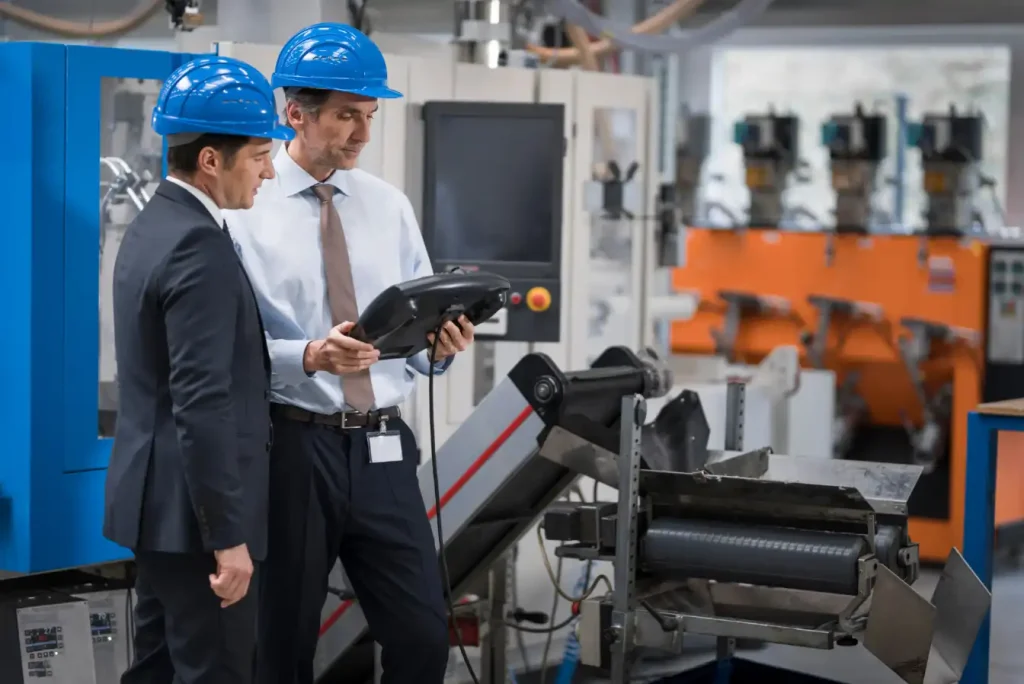
Achieving success requires more than just setting ambitious goals. It demands continuous improvement, a mindset of constant evaluation and adaptation. While crafting well-defined objectives is crucial, believing they are set in stone can hinder your progress. The key to staying ahead lies in regularly reviewing and adapting your objectives to ensure they remain relevant, effective, and aligned with your ever-changing environment. Why manufacturing objectives need to evolve Several factors necessitate the need for regularly reviewing and adapting your manufacturing objectives: Shifting market demands: consumer preferences, competitor strategies, and economic fluctuations can significantly impact your market position. Objectives set based on outdated market understanding can quickly become irrelevant and hinder your ability to compete effectively. Imagine, for example, focusing on producing bulky desktop computers while the market rapidly shifts towards sleek laptops and tablets. Technological advancements: new automation solutions, data analytics tools, and production methods are constantly emerging. These advancements present opportunities to streamline processes, enhance efficiency, and potentially even create entirely new product lines. Objectives that don’t consider these advancements might miss out on crucial opportunities for growth. For instance, clinging to manual inventory management might hinder your ability to compete with companies that have adopted advanced inventory control systems. Unforeseen circumstances: disruptions like natural disasters, material shortages, or economic downturns can significantly disrupt your operations. Objectives set before these events could lack the necessary flexibility to adapt to the new reality. For example, a sudden spike in the cost of raw materials might necessitate revising production targets or exploring alternative materials. Strategies for continuous improvement in manufacturing Here are some strategies to ensure your manufacturing objectives remain relevant and effective over time: Schedule regular reviews: establish a consistent review schedule for your objectives, like quarterly or bi-annually. During these reviews, assess the progress made towards each objective and analyze any changes in the market, technology, or internal environment. This allows you to identify areas for improvement and adapt your objectives accordingly. Embrace open communication: foster a culture of open communication within your organization. Encourage employees at all levels to share their feedback on the objectives and suggest areas for improvement. This collective input from those on the shop floor can provide valuable insights to inform revisions. Imagine a production worker suggesting an alternative production method that could improve efficiency – their input could be crucial for adapting your objectives. Build in adaptability: don’t set your objectives in stone. Consider setting stretch goals that leave room for adjustments, and be prepared to adapt based on new information or changes. This flexibility allows you to respond effectively to unforeseen circumstances and emerging opportunities. Celebrate achievements and acknowledge challenges: recognize and celebrate successes in achieving your objectives, but also acknowledge any challenges encountered. Use these learnings to inform future iterations of your objectives. Analyzing both successes and failures allows you to continuously improve your approach and refine your objectives for the future. Benefits of continuous improvement in manufacturing By embracing continuous improvement and regularly reviewing and adapting your objectives, you can reap several benefits: Enhanced adaptability: your organization will be better equipped to handle unforeseen circumstances and navigate rapidly changing market conditions. This agility allows you to respond quickly to disruptions and seize new opportunities. Improved efficiency and effectiveness: by regularly re-evaluating your goals, you can ensure your resources are directed towards the most impactful initiatives. This can lead to streamlined production processes, reduced waste, and ultimately, increased profitability. Increased innovation and growth: embracing continuous improvement fosters a culture of innovation within your organization. By regularly reviewing and adapting objectives, you can identify and capitalize on new opportunities for growth, keeping you ahead of the competition. Sustainable success: regularly adapting your objectives ensures they remain aligned with your long-term vision, leading to sustainable success in the ever-evolving world of manufacturing. Remember, setting objectives is just the first step. By adopting a growth mindset and continuously refining your objectives, you can ensure your manufacturing operation stays ahead of the curve and thrives in the face of change.
Bridging the Gap: Aligning Strategic and Operational Objectives in Manufacturing

The success of any operation hinges on a well-defined roadmap, but navigating the gap between strategic objectives set by top management and the operational tasks carried out on the shop floor can be a major challenge. For instance, an organization might have a strategic objective to “reduce production costs by 10%.” However, without clear direction, frontline workers might focus on using cheaper materials that compromise product quality, ultimately impacting customer satisfaction. This disconnect can lead to confusion, misalignment, and ultimately, a lack of progress towards achieving the company’s vision. The problem: When strategy doesn’t meet execution Imagine a scenario where the C-suite sets an ambitious goal to “increase market share by 15% within the next fiscal year.” While this objective provides a clear direction, it lacks the details necessary for frontline workers to understand how their daily tasks contribute to achieving it. This ambiguity can lead to: Confusion: Unsure of their individual roles, employees might not understand how their daily tasks contribute to the bigger picture. This can lead to a lack of motivation and engagement Misalignment: Departments might prioritize their own goals over the company’s, hindering overall progress Inefficiency: Time and resources might be wasted on activities not directly linked to achieving the strategic objectives Building the bridge: strategies for alignment So how do we bridge this gap and ensure everyone, from the CEO to the assembly line worker, is rowing in the same direction? Here are some key strategies: Cross-Functional Collaboration Workshops:Organize workshops where representatives from various levels and departments come together to discuss and understand the company’s strategic objectives. This fosters a sense of shared ownership and facilitates the translation of high-level goals into specific, actionable tasks for each department. Cascading objectives:Break down the overarching strategic objectives into smaller, more manageable goals for each department. This allows individual teams to understand their specific contribution to the overall strategy and develop action plans to achieve them. Effective communication:Ensure clear and consistent communication at all levels. Regularly communicate the company’s vision, strategic objectives, and progress updates to all employees, fostering transparency and buy-in. Performance metrics:Establish relevant performance metrics that track progress towards both strategic and operational objectives. This allows everyone to monitor progress and identify areas for improvement. Recognition and rewards:Recognize and reward individuals and teams who demonstrate exceptional commitment and contributions towards achieving the company’s objectives. This reinforces the importance of alignment and motivates employees to continue their efforts. Bridging the gap: a collaborative effort For lasting success, aligning strategic goals with daily tasks necessitates ongoing collaboration and communication. By fostering a culture of shared understanding and ownership, manufacturers can bridge the gap between strategy and execution, setting the stage for a more efficient, motivated, and ultimately, successful operation. Remember, a well-aligned team is a winning team. By implementing these strategies and fostering a collaborative environment, you can ensure everyone is on the same page, working together towards achieving your manufacturing aspirations.