
How Continuous Improvement Tools Help Reduce Waste

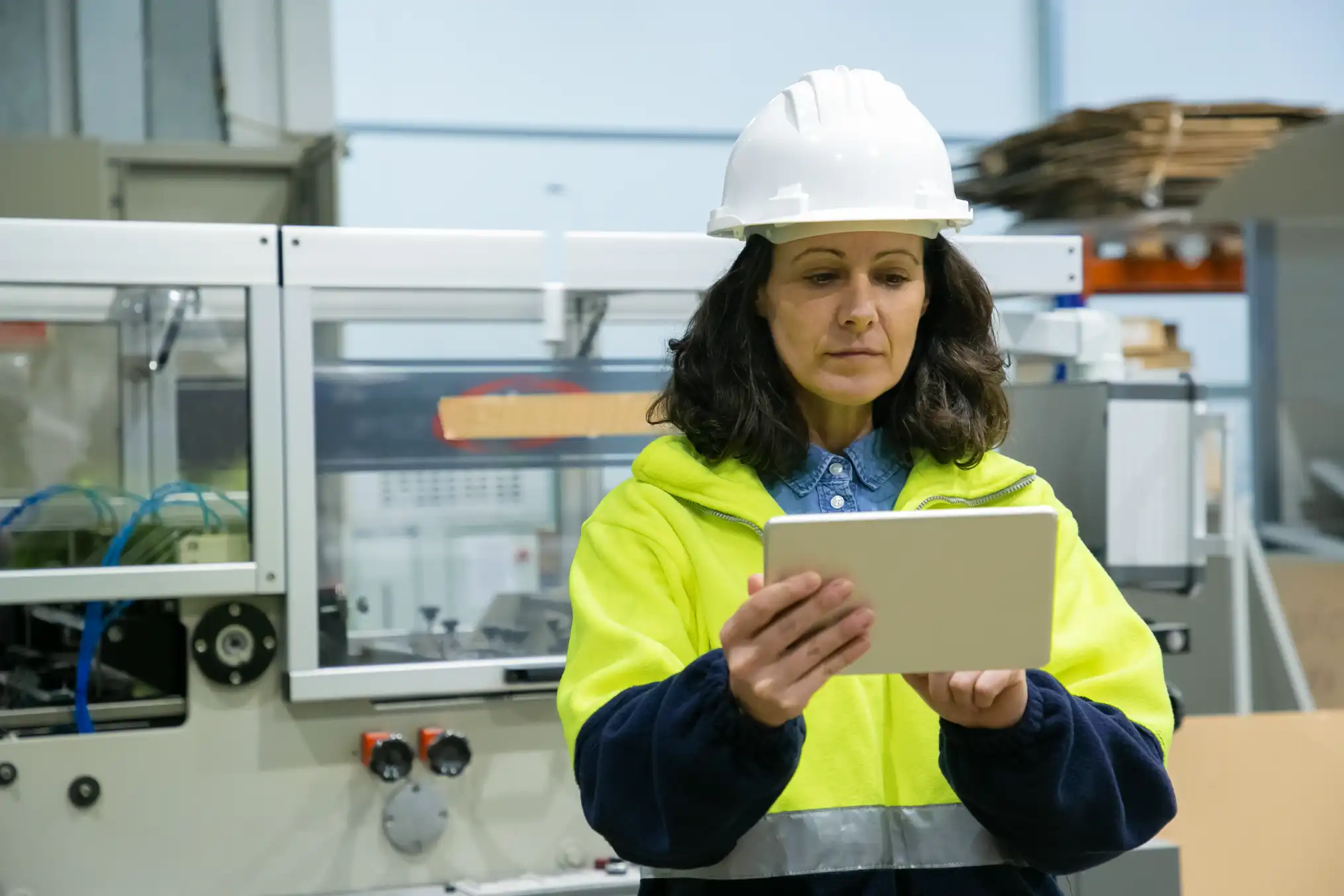
In production environments, waste—whether it’s material, time, or energy—directly affects both profitability and sustainability. Tackling waste requires more than just advanced machinery or new workflows. It demands the active involvement of employees who understand the daily challenges of operations.
Continuous improvement tools for reducing waste empower teams to identify inefficiencies, propose actionable solutions, and implement lasting changes. By leveraging these tools, companies can enhance operational efficiency while fostering a culture of innovation and accountability.
Understanding the Scope of Waste in Production
Waste takes many forms across production lines. From material waste due to product defects to time lost in inefficient workflows, the cumulative impact can be significant.
Common Types of Waste in Manufacturing
- Material Waste: Raw materials lost through errors or excess usage.
- Time Waste: Delays from bottlenecks, idle equipment, or miscommunication.
- Energy Waste: Overconsumption of power due to inefficient machinery or processes.
Reducing these types of waste involves a proactive approach supported by continuous monitoring and process optimization tools.
The Role of Continuous Improvement Tools in Waste Reduction
1. Real-Time Data Collection and Analysis
Continuous improvement tools provide employees with real-time access to data on production performance. This data helps teams quickly identify areas where waste occurs, such as excessive material usage or frequent machine stoppages.
Example: A food processing plant uses live dashboards to monitor ingredient usage. When a particular line shows higher-than-average waste, the team investigates and adjusts machine settings, reducing waste by 10%.
2. Standardized Processes and Training
These tools also help standardize best practices, ensuring consistent operations across shifts. With clear guidelines and process templates, employees can minimize errors and inefficiencies that lead to waste.
Scenario: A metal fabrication shop adopts a standardized checklist for machine setup. This reduces scrap rates caused by improper equipment calibration, saving both time and materials.
3. Empowering Employees to Innovate
Continuous improvement tools encourage employees to take ownership of their work. With access to data and structured problem-solving frameworks, workers can propose changes that improve efficiency and reduce waste.
Benefit: Teams become more proactive, regularly refining their processes to drive better results.
4. Root Cause Analysis
Effective tools enable teams to dig deeper into recurring issues through root cause analysis (RCA). RCA helps identify the underlying problems that contribute to waste, rather than just addressing symptoms.
Example: A packaging company notices frequent jams in its labeling machine. RCA reveals the root cause is poorly aligned rollers. Fixing this prevents future issues, saving hours of downtime each month.
Benefits of Continuous Improvement Tools for Reducing Waste
Increased Operational Efficiency
With clear insights into production performance, companies can streamline workflows, optimize resource use, and reduce delays.
Result: Faster production cycles and more efficient use of labor and equipment.
Lower Costs
By addressing waste at its source, businesses can significantly cut costs associated with materials, energy, and downtime.
Example: A manufacturer that reduces material waste by even a small percentage across multiple lines can save thousands annually.
Improved Product Quality
Fewer defects and consistent processes lead to higher product quality. This reduces rework and enhances customer satisfaction.
Real-World Success Stories
Case Study 1: Automotive Parts Manufacturer
An automotive parts supplier struggled with high material scrap rates. By implementing continuous improvement tools, they identified that certain machine settings were causing defects. Adjustments to the process reduced material waste by 15%, saving the company over $100,000 annually.
Case Study 2: Electronics Assembly Plant
A plant producing circuit boards used real-time analytics to track energy consumption across shifts. They discovered that certain machines were running inefficiently during specific hours. Optimizing machine schedules reduced energy waste by 20%, lowering operational costs.
Best Practices for Implementing Continuous Improvement Tools
Start Small and Scale Gradually
Introduce continuous improvement tools in one department or production line first. This allows for a controlled environment to test the tools and gather insights.
Train and Empower Employees
Provide comprehensive training to ensure employees understand how to use the tools effectively. Encourage them to take ownership of improvement initiatives.
Tip: Reward teams that consistently identify and implement waste reduction strategies.
Monitor Progress and Refine Strategies
Regularly review the data and feedback collected through continuous improvement tools. Use these insights to refine processes and expand successful practices across the organization.
Use Visual Management Tools
Dashboards, charts, and visual data representations make it easier for teams to understand their impact. Visualizing waste reduction efforts helps employees see the tangible results of their initiatives.
The Future of Waste Reduction Through Continuous Improvement
As technology evolves, continuous improvement tools are becoming more advanced, incorporating artificial intelligence and machine learning to provide predictive insights. These advancements will further enhance an organization’s ability to identify waste before it becomes a problem, ensuring even greater efficiency and sustainability.
Companies that fully embrace these tools will not only reduce waste but also position themselves as leaders in operational excellence and environmental responsibility.
Conclusion
Reducing waste is a critical goal for any production-focused business. With continuous improvement tools for reducing waste, employees gain the insights and resources they need to make meaningful changes. By leveraging real-time data, standardizing best practices, and fostering a culture of continuous improvement, organizations can achieve greater efficiency, lower costs, and improved product quality.
Investing in these tools is a powerful step toward building a more sustainable and profitable operation.
Written By:

Karol Dabrowksi, CEO
Karol Dąbrowski is the CEO of EviView, a digital daily management system used by leading manufacturing companies to improve efficiency, reduce downtime, and optimise production performance. With a strong background in manufacturing operations, Karol is focused on solving real-world shop floor challenges by enabling teams to turn operational data into actionable insights and unlock hidden capacity across their facilities.