
How Continuous Improvement Tools Help Reduce Waste

In production environments, waste—whether it’s material, time, or energy—directly affects both profitability and sustainability. Tackling waste requires more than just advanced machinery or new workflows. It demands the active involvement of employees who understand the daily challenges of operations. Continuous improvement tools for reducing waste empower teams to identify inefficiencies, propose actionable solutions, and implement lasting changes. By leveraging these tools, companies can enhance operational efficiency while fostering a culture of innovation and accountability. Understanding the Scope of Waste in Production Waste takes many forms across production lines. From material waste due to product defects to time lost in inefficient workflows, the cumulative impact can be significant. Common Types of Waste in Manufacturing Material Waste: Raw materials lost through errors or excess usage. Time Waste: Delays from bottlenecks, idle equipment, or miscommunication. Energy Waste: Overconsumption of power due to inefficient machinery or processes. Reducing these types of waste involves a proactive approach supported by continuous monitoring and process optimization tools. The Role of Continuous Improvement Tools in Waste Reduction 1. Real-Time Data Collection and Analysis Continuous improvement tools provide employees with real-time access to data on production performance. This data helps teams quickly identify areas where waste occurs, such as excessive material usage or frequent machine stoppages. Example: A food processing plant uses live dashboards to monitor ingredient usage. When a particular line shows higher-than-average waste, the team investigates and adjusts machine settings, reducing waste by 10%. 2. Standardized Processes and Training These tools also help standardize best practices, ensuring consistent operations across shifts. With clear guidelines and process templates, employees can minimize errors and inefficiencies that lead to waste. Scenario: A metal fabrication shop adopts a standardized checklist for machine setup. This reduces scrap rates caused by improper equipment calibration, saving both time and materials. 3. Empowering Employees to Innovate Continuous improvement tools encourage employees to take ownership of their work. With access to data and structured problem-solving frameworks, workers can propose changes that improve efficiency and reduce waste. Benefit: Teams become more proactive, regularly refining their processes to drive better results. 4. Root Cause Analysis Effective tools enable teams to dig deeper into recurring issues through root cause analysis (RCA). RCA helps identify the underlying problems that contribute to waste, rather than just addressing symptoms. Example: A packaging company notices frequent jams in its labeling machine. RCA reveals the root cause is poorly aligned rollers. Fixing this prevents future issues, saving hours of downtime each month. Benefits of Continuous Improvement Tools for Reducing Waste Increased Operational Efficiency With clear insights into production performance, companies can streamline workflows, optimize resource use, and reduce delays. Result: Faster production cycles and more efficient use of labor and equipment. Lower Costs By addressing waste at its source, businesses can significantly cut costs associated with materials, energy, and downtime. Example: A manufacturer that reduces material waste by even a small percentage across multiple lines can save thousands annually. Improved Product Quality Fewer defects and consistent processes lead to higher product quality. This reduces rework and enhances customer satisfaction. Real-World Success Stories Case Study 1: Automotive Parts Manufacturer An automotive parts supplier struggled with high material scrap rates. By implementing continuous improvement tools, they identified that certain machine settings were causing defects. Adjustments to the process reduced material waste by 15%, saving the company over $100,000 annually. Case Study 2: Electronics Assembly Plant A plant producing circuit boards used real-time analytics to track energy consumption across shifts. They discovered that certain machines were running inefficiently during specific hours. Optimizing machine schedules reduced energy waste by 20%, lowering operational costs. Best Practices for Implementing Continuous Improvement Tools Start Small and Scale Gradually Introduce continuous improvement tools in one department or production line first. This allows for a controlled environment to test the tools and gather insights. Train and Empower Employees Provide comprehensive training to ensure employees understand how to use the tools effectively. Encourage them to take ownership of improvement initiatives. Tip: Reward teams that consistently identify and implement waste reduction strategies. Monitor Progress and Refine Strategies Regularly review the data and feedback collected through continuous improvement tools. Use these insights to refine processes and expand successful practices across the organization. Use Visual Management Tools Dashboards, charts, and visual data representations make it easier for teams to understand their impact. Visualizing waste reduction efforts helps employees see the tangible results of their initiatives. The Future of Waste Reduction Through Continuous Improvement As technology evolves, continuous improvement tools are becoming more advanced, incorporating artificial intelligence and machine learning to provide predictive insights. These advancements will further enhance an organization’s ability to identify waste before it becomes a problem, ensuring even greater efficiency and sustainability. Companies that fully embrace these tools will not only reduce waste but also position themselves as leaders in operational excellence and environmental responsibility. Conclusion Reducing waste is a critical goal for any production-focused business. With continuous improvement tools for reducing waste, employees gain the insights and resources they need to make meaningful changes. By leveraging real-time data, standardizing best practices, and fostering a culture of continuous improvement, organizations can achieve greater efficiency, lower costs, and improved product quality. Investing in these tools is a powerful step toward building a more sustainable and profitable operation.
How a DMS Helps Managers Proactively Prevent Downtime

Downtime is one of the biggest challenges in manufacturing, impacting productivity, increasing operational costs, and disrupting supply chains. Whether caused by equipment failures, inefficient shift handovers, or compliance-related stoppages, downtime affects profitability and slows production. Many of these issues stem from disorganized information management, where critical data such as maintenance logs, shift reports, and compliance records are difficult to access or outdated. A Digital Management System (DMS) plays a key role in reducing downtime by centralizing and structuring manufacturing data, ensuring that the right information is available at the right time. Instead of relying on manual records or scattered digital files, a DMS provides real-time access to essential data, improving efficiency, standardizing workflows, and enabling proactive decision-making. This article explores how a DMS helps prevent downtime, covering the common causes of downtime, how a DMS addresses these challenges, and why it has become an essential tool for modern manufacturers. Understanding Downtime in Manufacturing Downtime is more than just a production halt—it creates a ripple effect across the entire manufacturing operation, affecting supply chain logistics, labor efficiency, and customer satisfaction. The longer downtime persists, the greater the impact on profitability and workflow efficiency. Preventing downtime starts with understanding why it happens and how manufacturers can address the root causes. Why Downtime is a Major Concern for Manufacturers Every manufacturing operation is designed for maximum efficiency, where each process depends on seamless coordination between machines, workers, and workflows. When production stops unexpectedly, companies must divert time and resources to identify the cause, fix the issue, and resume normal operations. Manufacturers that rely on manual documentation or disconnected systems often struggle to pinpoint downtime issues quickly. A lack of real-time visibility into maintenance schedules, shift handovers, and regulatory compliance further increases the risk of disruptions. Without an efficient way to track and manage operational data, downtime becomes a recurring challenge rather than an isolated event. Common Causes of Downtime in Manufacturing While equipment failures are often considered the primary cause of downtime, other factors contribute just as significantly. Poor information accessibility, mismanaged maintenance schedules, and ineffective shift handovers all play a role in increasing production delays. 1. Equipment Failures Due to Poor Maintenance Management Many manufacturers rely on reactive maintenance, where equipment is repaired only after it breaks down. This results in longer downtime, as technicians must diagnose and fix failures under pressure. Without real-time maintenance tracking, teams often miss servicing deadlines, leading to unexpected breakdowns. 2. Inefficient Shift Handovers Leading to Miscommunication Shift transitions are a critical point in manufacturing operations, but when key production details are not properly documented, important information can be lost. If outgoing teams fail to record ongoing issues or completed maintenance work, incoming teams waste time troubleshooting problems that could have been resolved earlier. 3. Compliance Failures and Regulatory Stoppages Manufacturers in regulated industries must meet strict safety, quality, and operational standards. If compliance records are outdated, missing, or difficult to retrieve, companies risk failing audits or regulatory inspections, leading to production stoppages. By addressing these challenges through better data management and streamlined workflows, manufacturers can proactively reduce downtime and improve operational efficiency. What is a Digital Management System (DMS)? A Digital Management System (DMS) is a centralized platform that streamlines data storage, organization, and retrieval. Unlike traditional document storage methods—such as paper-based records, isolated digital files, or manual spreadsheets—a DMS integrates directly with operational workflows, ensuring that maintenance schedules, shift reports, compliance documents, and equipment performance data are always accessible and up to date. How a DMS Improves Information Management in Manufacturing A DMS ensures that employees can retrieve critical operational documents quickly and accurately, reducing the time wasted searching for files or verifying outdated information. By providing a single, structured database, a DMS eliminates data silos and enhances collaboration between teams. 1. Centralized Storage and Real-Time Access One of the biggest obstacles to preventing downtime is delays in accessing necessary information. A DMS centralizes all essential documents, ensuring that maintenance teams, operators, and managers have instant access to accurate, real-time data. 2. Automated Maintenance Tracking By integrating with maintenance management systems, a DMS ensures that equipment servicing follows scheduled routines, reducing the risk of breakdowns caused by neglected maintenance. 3. Standardized Shift Handover Processes A DMS provides a structured system for logging shift reports, ensuring that incoming teams are fully informed about ongoing issues, completed maintenance work, and key production updates. By replacing manual, paper-based documentation with a digital workflow, a DMS reduces miscommunication and prevents repeated errors. How a DMS Helps Reduce Downtime Proactively Preventing downtime requires real-time visibility into manufacturing processes, enabling managers to identify potential risks before they escalate into production stoppages. A DMS reduces downtime by improving data accessibility, automating workflows, and ensuring compliance readiness. Providing Instant Access to Critical Information When production issues arise, teams need immediate access to troubleshooting guides, past maintenance records, and compliance reports. Without a centralized system, retrieving this information can take valuable time, extending downtime. A DMS eliminates these delays by organizing all operational data in a structured, searchable platform. Enabling Proactive Maintenance and Reducing Equipment Failures Many downtime incidents occur due to missed maintenance schedules or incomplete servicing records. A DMS ensures that maintenance tasks are performed on time, providing: Automated service reminders for scheduled maintenance. Historical maintenance records to track recurring issues. Standardized maintenance procedures to ensure consistency. By improving maintenance planning and execution, a DMS helps prevent equipment failures before they happen. Streamlining Shift Handovers and Preventing Miscommunication A DMS improves shift handovers by ensuring that all critical updates are documented digitally, reducing the risk of missing information. By providing: A clear record of unresolved issues from the previous shift. Standardized logs for ongoing maintenance activities. Real-time access to production updates, ensuring continuity. With a DMS, incoming shift teams are fully informed, minimizing downtime caused by confusion or redundant troubleshooting efforts. A DMS is Essential for Proactive Downtime Prevention Preventing downtime requires more than just responding to breakdowns—it demands a proactive strategy that improves access to information, streamlines workflows, and automates
How to Fix Communication in Manufacturing

Manufacturing is a fast-paced industry where efficiency depends on seamless coordination between teams. Yet, many production sites still struggle with fragmented communication, leading to delays, costly mistakes, and reduced productivity. For manufacturing leaders, the challenge goes beyond managing individual teams—it’s about creating seamless coordination across departments to drive efficiency. When production, maintenance, and quality control don’t share real-time information, problems escalate, causing unplanned downtime, compliance risks, and inefficiencies that eat into profitability. How Disconnected Teams Disrupt Manufacturing Operations Lack of coordination between teams doesn’t just slow down production—it affects everything from safety and quality control to maintenance and decision-making. When teams work in silos, problems are harder to detect, resolve, and prevent. Below, we’ll explore the key ways disconnection negatively impacts manufacturing operations. Communication Breakdowns Lead to Costly Mistakes Manufacturing relies on precision, and even small miscommunications can lead to major operational disruptions. When production teams, maintenance crews, and quality control aren’t aligned, critical information slips through the cracks. This results in incorrect production runs, unresolved equipment failures, and inconsistent quality standards. A common scenario occurs when shift handovers are rushed or incomplete. If an outgoing team fails to properly document an issue, the next shift starts with limited visibility, forcing them to troubleshoot problems that could have been addressed sooner. This not only leads to wasted time but also increases the likelihood of production defects and rework, ultimately affecting customer satisfaction and compliance. Poor communication can also lead to resource mismanagement. If inventory levels, maintenance schedules, or production deadlines are not clearly communicated, teams may overproduce, underproduce, or experience unnecessary machine downtime. This kind of inefficiency adds operational costs that could have been avoided with a more connected approach. Lack of Real-Time Visibility Leads to Poor Decision-Making Manufacturing leaders are constantly making high-stakes decisions, but many are forced to rely on outdated reports, fragmented data, or incomplete insights. Without real-time production visibility, decision-making becomes reactive rather than proactive, leading to delays, inefficiencies, and missed opportunities for process optimization. For example, when machine failures or quality deviations occur, site managers need immediate updates to respond effectively. However, in disconnected environments, maintenance teams may not receive alerts in time, causing prolonged downtime and production losses. Similarly, quality control teams may lack instant access to inspection results, leading to defective products moving further down the line before issues are detected. When manufacturers use manual reporting methods, teams spend valuable time chasing information instead of solving problems. Real-time visibility allows leaders to quickly identify production bottlenecks, track operational performance, and allocate resources efficiently, ensuring that manufacturing processes run smoothly and without unnecessary interruptions. Inefficient Shift Handovers Create Operational Blind Spots Shift transitions are a critical yet often overlooked aspect of manufacturing efficiency. If the outgoing shift fails to transfer crucial information, the incoming team starts at a disadvantage, leading to delays, confusion, and repeated troubleshooting of the same issues. Traditional shift handover processes—such as handwritten notes, verbal briefings, or scattered spreadsheets—are prone to inconsistencies and human error. Without structured documentation and standardized reporting, important details about ongoing equipment issues, production targets, and quality concerns may be lost or misinterpreted. When shift handovers are inefficient, manufacturers experience longer downtime between shifts, a lack of accountability, and an increase in preventable production errors. A digital, real-time shift handover process ensures that all necessary data is transferred seamlessly, giving teams complete situational awareness before they even start their shift. How to Fix Communication in Manufacturing To improve operational efficiency and site performance, manufacturers must adopt modern solutions that break down communication barriers, enhance real-time visibility, and streamline shift handovers. Below are three key strategies to achieve a fully connected and optimized manufacturing operation. Implement a Centralized Digital Communication Platform One of the most effective ways to eliminate operational silos is by adopting a real-time, centralized communication system. Instead of relying on emails, paper logs, and outdated spreadsheets, manufacturers need platforms that provide instant access to critical data for all teams. A centralized system ensures that production teams, maintenance crews, quality control, and leadership operate with the same accurate, up-to-date information. This prevents teams from working with conflicting data, reduces response times, and eliminates the errors caused by manual reporting methods. By implementing a cloud-based or mobile-friendly communication platform, manufacturers can ensure that real-time production updates, task assignments, and equipment statuses are accessible to the right people at the right time. This level of transparency not only improves efficiency but also increases accountability and enhances overall collaboration across teams. Use Real-Time Data to Drive Proactive Decision-Making Manufacturers that rely on static reports and historical data are often reacting to problems rather than preventing them. A data-driven approach allows teams to predict and resolve issues before they impact production, significantly reducing downtime and waste. By integrating real-time production dashboards and analytics tools, site managers can monitor key performance metrics, track machine conditions, and identify production bottlenecks in real time. This proactive approach allows manufacturers to allocate resources more efficiently, optimize production schedules, and detect quality deviations before they escalate. In addition to improving production efficiency, real-time data also enhances predictive maintenance strategies. Instead of waiting for equipment to fail, manufacturers can track usage patterns, detect early warning signs, and schedule maintenance accordingly—extending the lifespan of machinery while reducing unexpected downtime. Standardize Shift Handovers with Digital Logs A structured, digital shift handover process is one of the fastest ways to improve consistency, reduce errors, and enhance accountability in manufacturing operations. Instead of relying on handwritten notes or informal verbal briefings, manufacturers should implement digital shift logs that automatically capture and store all critical operational updates. A well-designed digital shift handover system should include real-time production updates, machine status reports, task ownership tracking, and quality control alerts. This ensures that incoming teams have full visibility into ongoing operations before they even start working. By ensuring that all shift handovers follow a standardized and structured format, manufacturers can eliminate knowledge gaps, improve operational transparency, and ensure a seamless transition between teams. The Bottom Line: Connected Teams Drive Operational Excellence Disconnected
Why Preparing for Audits is a Struggle for Manufacturing Teams

Audits play a pivotal role in the manufacturing industry, ensuring companies meet regulatory requirements, maintain product quality, and uphold operational standards. Despite their importance, preparing for audits remains a significant challenge for manufacturing teams. Disorganized data, inconsistent documentation, and last-minute scrambles are all too common—leading to unnecessary stress and, more critically, increased audit risks. The consequences of poor audit preparation go beyond temporary disruptions. Failed audits can result in production delays, financial penalties, loss of customer trust, and even long-term reputational damage. For decision-makers responsible for site performance, departmental efficiency, or production floor operations, understanding and addressing these challenges is crucial. This article explores the common reasons manufacturing teams struggle with audits and offers actionable solutions to reduce audit risk in the manufacturing industry while streamlining compliance efforts. Understanding the Audit Landscape in Manufacturing Manufacturing companies face a variety of audits, including regulatory inspections (such as those from the FDA or OSHA), customer-driven audits, and internal compliance reviews. Each type requires detailed documentation, operational transparency, and timely data access. Failing to meet these demands can have serious implications, from costly fines to compromised supplier relationships. Regulatory bodies like the FDA enforce stringent documentation and process standards. Customer audits, meanwhile, can influence contract renewals and business opportunities, while internal audits are essential for maintaining ongoing compliance and identifying improvement areas. Navigating this complex landscape requires efficient preparation—but many teams still fall short. Why Audit Preparation is Challenging for Manufacturing Teams 1. Disorganized and Decentralized Data Management One of the most significant barriers to audit readiness is fragmented data management. Manufacturing data is often scattered across multiple platforms—spreadsheets, paper logs, emails, and disparate software systems. This decentralization makes it difficult to quickly locate and compile the necessary information during audits. Data silos are the leading cause of operational inefficiency and increased audit risk. Searching through various systems wastes valuable time and heightens the risk of providing outdated or incomplete information to auditors. This challenge is further magnified in organizations with multiple production sites, where each location may use different systems or documentation methods. 2. Inconsistent Documentation and Record-Keeping Accurate and consistent documentation is a cornerstone of successful audits. However, many manufacturing teams rely on manual record-keeping methods, which are prone to human error. Variability in how shifts document processes, safety checks, and production changes often leads to discrepancies—gaps that auditors quickly notice. Documentation inconsistencies are among the most common causes of audit failures in manufacturing, particularly in regulated industries like pharmaceuticals. Without standardized processes in place, maintaining accurate records across departments and production lines becomes a daunting task. Inconsistent documentation not only risks non-compliance but also complicates internal reviews and continuous improvement initiatives. 3. Lack of Real-Time Visibility into Operations Auditors expect accurate, up-to-date information. Unfortunately, many manufacturing teams operate with delayed data updates, making it challenging to present real-time operational insights. Without immediate visibility into production metrics, quality checks, and compliance records, teams are forced to rely on outdated information—compromising audit accuracy. Organizations managing multiple facilities face additional hurdles. Without integrated systems, monitoring compliance across various locations becomes cumbersome and error-prone. Companies leveraging real-time data solutions not only improve audit outcomes but also enhance overall operational efficiency. Immediate access to live data allows teams to identify potential issues early, reducing the risk of non-compliance during formal inspections. 4. Limited Accountability and Ownership Audit preparation requires collaboration across various departments—production, quality assurance, maintenance, and operations management. Without clear accountability, tasks can be overlooked, duplicated, or delayed. When responsibility is vaguely assigned, essential documentation may be incomplete or entirely missing. This lack of ownership often stems from miscommunication or the assumption that “someone else is handling it.” Employees involved in day-to-day production activities may not fully grasp how their documentation practices impact audit readiness. Leadership must ensure that everyone understands their role in compliance and that there are clear guidelines for what needs to be documented, by whom, and when. 5. A Reactive Approach to Compliance Many manufacturing organizations approach audits reactively—scrambling to gather documents and verify data only when an inspection is announced. This last-minute preparation creates high-pressure environments that increase the likelihood of errors, omissions, and overlooked compliance gaps. Proactive compliance management, on the other hand, ensures that teams are always audit-ready. Regular internal audits, routine documentation checks, and continuous training help organizations identify and address potential issues before they escalate. Adopting a proactive approach reduces audit risk, improves efficiency, and fosters a culture of continuous improvement. How to Reduce Audit Risk in the Manufacturing Industry While audit challenges are common, they are far from insurmountable. By implementing targeted strategies and leveraging the right technology, manufacturing leaders can significantly improve audit readiness. 1. Centralize Data with Digital Solutions Consolidating all production, quality, and compliance data into a single digital platform is one of the most effective ways to streamline audit preparation. Centralized systems eliminate data silos, making it easier to retrieve necessary information quickly and accurately. With integrated platforms, managers can access real-time dashboards that provide a comprehensive view of compliance metrics across all facilities. This visibility enables faster decision-making, reduces manual search efforts, and ensures that records are consistent and up-to-date. 2. Standardize Documentation Practices Establishing uniform documentation processes across all departments and production lines minimizes discrepancies and improves data reliability. Using standardized templates and checklists ensures that every team captures the same essential information, reducing variability and confusion. Automation tools can further enhance consistency by capturing data directly from equipment and workflows. Automated systems minimize the potential for human error while ensuring that documentation is completed accurately and on time. Clear, accessible guidelines paired with ongoing training help reinforce these standardized practices, keeping everyone aligned. 3. Leverage Real-Time Data for Enhanced Visibility Implementing real-time data solutions provides immediate access to critical operational metrics—allowing teams to monitor compliance continuously rather than reactively. Live data streams enable quicker identification of potential issues, ensuring corrective actions are taken before auditors arrive. For organizations operating across multiple sites, real-time analytics tools offer consolidated views of global operations. This enhanced visibility allows leadership
Common Problems with Manual Shift Handover Processes
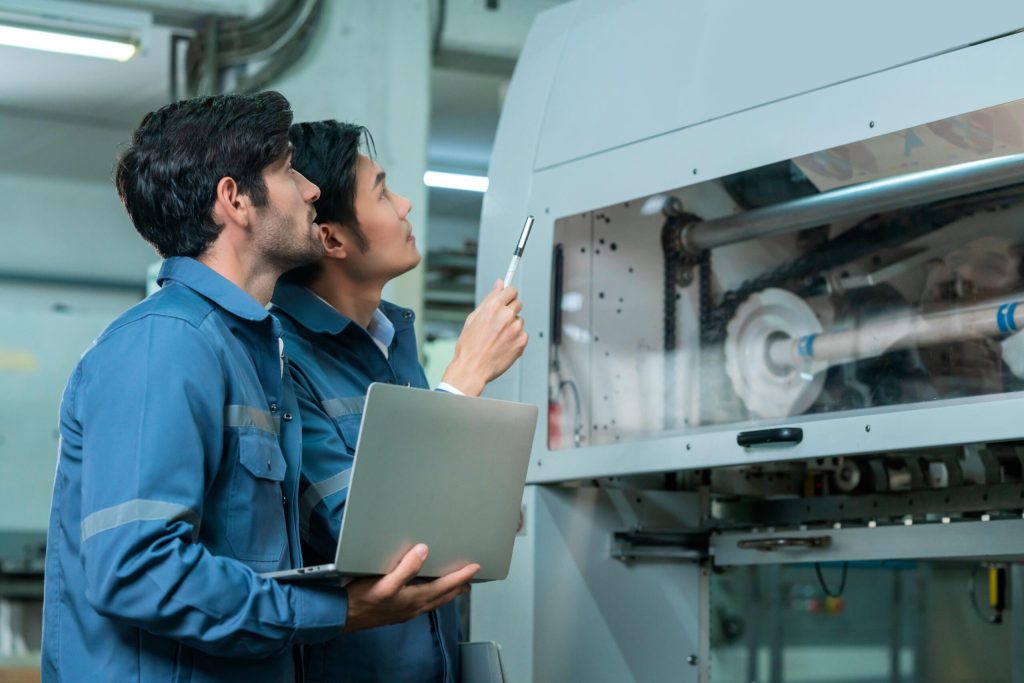
Shift handovers are the backbone of continuous operations in industries like pharmaceutical manufacturing and large-scale production. The importance of a seamless shift handover process can’t be overstated—one miscommunication or missed detail can lead to production downtime, safety incidents, or costly compliance issues. Despite its significance, many companies still rely on outdated manual handover methods. These traditional approaches, often involving handwritten notes or verbal exchanges, are prone to human error and inefficiencies. For senior decision-makers—whether you’re overseeing site performance or working directly on the shop floor, the question isn’t if your shift handover process should evolve, but how soon you can implement a solution that ensures accuracy, accountability, and operational excellence. Why Manual Shift Handover Processes Are Still Prevalent If manual handovers are so problematic, why do they persist? Several factors contribute to their longevity. For many organizations, legacy systems are deeply embedded, and there’s a perception that upgrading to digital tools will be costly or disruptive. Change resistance is another hurdle—teams accustomed to their methods often fear the learning curve associated with new technology. Yet these perceived barriers overshadow the hidden costs of manual handovers: production delays, increased safety risks, and compliance headaches. In a fast-paced manufacturing environment, relying on traditional methods is like using a flip phone in the smartphone era—functional but far from efficient. Top Challenges with Manual Shift Handover Processes 1. Communication Gaps and Misunderstandings Manual handovers often rely on verbal exchanges or hastily written notes, leaving ample room for critical details to slip through the cracks. This lack of consistency can result in equipment malfunctions being overlooked or important process changes going uncommunicated. Communication failures are among the leading causes of industrial incidents. For senior leaders focused on site performance, these gaps translate to operational inefficiencies and increased safety risks—two things no production floor can afford. 2. Lack of Real-Time Data Access Manual processes inherently suffer from delays in information sharing. By the time data from the previous shift is compiled and passed on, it may already be outdated. Without real-time data, production teams are left making decisions in the dark, potentially prolonging downtime or exacerbating issues that could have been quickly resolved. For heads of departments managing day-to-day operations, this lack of immediacy hampers responsiveness. Site leadership teams with multi-site oversight find it especially challenging to maintain situational awareness across facilities. In industries where timing is critical, relying on stale information can have costly consequences. 3. Human Errors and Inconsistent Documentation Even the most diligent employees are susceptible to fatigue, time pressure, and human oversight. Handwritten logs can be illegible, while verbal reports may be incomplete or misunderstood. Over time, these inconsistencies compound, creating data gaps that hinder performance analysis and continuous improvement efforts. For pharmaceutical manufacturing, where compliance with regulatory standards like those enforced by the FDA is non-negotiable, documentation errors pose serious compliance risks. Documentation discrepancies are a common cause of regulatory penalties in the pharma sector. 4. Limited Accountability and Traceability In manual handovers, accountability often becomes murky. Without clear records of who reported what and when, tracing the root cause of a production issue can be a frustrating—and time-consuming—exercise. This lack of transparency is particularly problematic during audits or incident investigations, where detailed records are essential. Executives on the shop floor face the brunt of this challenge. Without clear task ownership, there’s often confusion about responsibilities, leading to missed deadlines or incomplete tasks. 5. Inefficient Use of Time During Shift Transitions Perhaps one of the most tangible costs of manual handovers is lost time. Shifts often overlap longer than necessary as teams clarify unclear notes or hunt down missing information. Over the course of a year, these extra minutes add up to significant productivity losses. In industries where margins are tight and schedules are demanding, this inefficiency isn’t just an inconvenience—it’s a liability. For operational excellence leaders and production managers, optimizing shift transitions is a low-hanging fruit with high ROI potential. How Digital Solutions Address Manual Handover Challenges 1. Streamlined Communication Through Standardized Reporting Digital shift handover solutions eliminate the guesswork by enforcing standardized reporting templates. Instead of relying on varied documentation styles, every team member records information in a consistent format. This uniformity reduces misunderstandings and ensures that nothing falls through the cracks. For department heads, this means less time spent clarifying issues and more time focusing on improving operations. Site leadership teams gain peace of mind knowing that communication is consistent across all shifts and locations. 2. Enhanced Visibility with Real-Time Data Integration One of the most significant advantages of digital solutions is the integration of real-time data. Production teams no longer have to wait for the previous shift’s notes or verbal updates; they can access up-to-the-minute information instantly. For leaders managing multiple sites, real-time visibility offers a bird’s-eye view of operations, enabling quicker responses to emerging issues. On the shop floor, having immediate access to data empowers teams to address problems before they escalate. Companies that leverage real-time data experience improved decision-making and faster issue resolution—key drivers of operational excellence. 3. Improved Accuracy and Reduced Human Error Automated data capture features in digital platforms significantly reduce reliance on manual entry. With systems automatically logging equipment performance, production metrics, and safety checks, the risk of human error diminishes. This level of accuracy is especially critical in pharma operations, where compliance hinges on meticulous record-keeping. Digital solutions not only improve data integrity but also simplify the process of meeting regulatory requirements. 4. Increased Accountability with Digital Audit Trails Unlike manual logs that can be misplaced or altered, digital handover solutions maintain secure, time-stamped records. These digital audit trails enhance accountability by clearly documenting who entered what information and when. For senior leaders preparing for audits or investigating incidents, this transparency is invaluable. Tasks are traceable, responsibilities are clear, and accountability is no longer a grey area. 5. Faster Shift Transitions with User-Friendly Interfaces Digital platforms are designed for usability, ensuring that information is easy to input, find, and understand. This simplicity speeds up shift transitions, allowing teams to hit
How Digitalization is Redefining Shift Handover Efficiency in Energy Plants

Shift handovers in energy plants are critical moments where operational continuity, safety, and performance hinge on effective communication. Traditionally, these handovers relied on verbal updates, handwritten logs, or static spreadsheets, leaving room for errors, omissions, and delays. In a sector where even minor miscommunications can lead to costly downtime or safety risks, improving handover efficiency is essential. Digitalisation is transforming how shift handovers are managed in energy plants. With the integration of digital tools, real-time data, and centralized communication platforms, these processes are becoming more streamlined, accurate, and reliable. This article explores how digitalisation is revolutionizing shift handover efficiency in energy plants and what benefits it brings to operations. The Challenges of Traditional Shift Handovers Before diving into the benefits of digitalisation, it’s important to understand the limitations of traditional shift handovers. Information Gaps and Miscommunication In traditional setups, shift handovers often rely on verbal briefings or handwritten notes. These methods are prone to miscommunication and can lead to critical information being missed or misinterpreted. Example: An outgoing shift might fail to mention a minor issue with a piece of equipment, leaving the incoming team unaware. Over time, this oversight could escalate into a major problem. Lack of Real-Time Data Traditional handovers typically involve static data, such as printed reports or manual logs. This means the incoming team starts their shift with outdated information, limiting their ability to respond effectively to current conditions. Inconsistent Documentation Without standardized processes, the quality of shift handover documentation can vary significantly between teams. This inconsistency creates operational inefficiencies and increases the risk of safety incidents. How Digitalization Enhances Shift Handover Efficiency Digital tools address these challenges by providing a structured, data-driven approach to shift handovers. Here’s how digitalisation is reshaping this critical process: 1. Real-Time Data Access Digital platforms allow teams to access real-time data from equipment sensors, control systems, and other monitoring tools. This ensures that both outgoing and incoming shifts work with the most up-to-date information. Benefit: Teams can immediately address any ongoing issues, improving response times and minimizing downtime. Scenario: In a wind farm, digital dashboards display live performance data for each turbine. The incoming shift can quickly see which turbines require maintenance, ensuring a seamless transition of responsibilities. 2. Standardized Communication Digital handover tools provide templates and forms that ensure all critical information is captured consistently across shifts. This standardization reduces the risk of miscommunication and ensures that nothing important is overlooked. Example: A digital handover system prompts outgoing operators to record specific details, such as equipment status, pending tasks, and safety concerns. This information is automatically shared with the incoming team. 3. Centralized Documentation All handover data is stored in a centralized digital repository, making it easy to track historical trends, review past incidents, and ensure accountability. Benefit: This centralized approach provides a clear audit trail, which is invaluable for compliance and performance analysis. 4. Enhanced Collaboration and Visibility Digital tools facilitate better collaboration by allowing multiple teams to access and update shared information in real time. Supervisors can monitor handover processes remotely, ensuring that all protocols are followed. Scenario: In a nuclear power plant, supervisors use digital handover software to review shift logs and provide guidance on critical issues, even when they’re off-site. Key Benefits of Digitalised Shift Handovers Improved Operational Continuity By ensuring that all teams have access to the same accurate, real-time information, digital tools help maintain smooth operations across shifts. Result: Reduced downtime, fewer operational disruptions, and more efficient use of resources. Increased Safety and Compliance Standardized and well-documented handovers reduce the likelihood of safety incidents and ensure compliance with industry regulations. Example: A gas plant uses digital handover logs to track safety checks and maintenance tasks, ensuring all regulatory requirements are met. Time Savings Automating the handover process eliminates the need for lengthy manual updates and reduces the time spent searching for information. Benefit: Teams can focus more on proactive problem-solving rather than administrative tasks. Real-World Applications Case Study 1: Enhancing Efficiency in a Hydroelectric Plant A hydroelectric plant struggled with inconsistent shift handovers, leading to frequent operational delays. After implementing a digital handover system, the plant saw a 20% improvement in shift transition times. Operators could access real-time performance data and standardized logs, ensuring a smooth flow of information. Case Study 2: Improving Safety in a Refinery A refinery faced challenges with tracking safety incidents across shifts. Digital handover tools provided a centralized platform for logging incidents and follow-up actions. This system improved visibility and accountability, reducing safety incidents by 15% within six months. Best Practices for Implementing Digital Shift Handovers Start with a Pilot Program Begin by implementing digital handovers in a single department or shift. This allows teams to familiarize themselves with the new system and provides an opportunity to gather feedback and refine processes before scaling up. Choose the Right Tools Select a digital platform tailored to your plant’s specific needs. Look for features such as real-time data integration, customizable templates, and centralized documentation. Train Your Teams Ensure all employees understand how to use the digital handover system effectively. Provide hands-on training and offer ongoing support to address any challenges. Monitor and Optimize Regularly review the performance of your digital handover process. Use analytics and feedback to identify areas for improvement and optimize workflows. The Future of Shift Handover Efficiency in Energy Plants As digital technologies continue to evolve, the potential for improving shift handovers will only grow. Emerging innovations such as artificial intelligence and machine learning could further enhance decision-making, providing predictive insights and automating routine tasks. Energy plants that embrace digitalisation will be better equipped to navigate the challenges of a rapidly changing industry, ensuring safe, efficient, and reliable operations. Conclusion Digitalisation is redefining shift handover efficiency in energy plants, transforming a traditionally error-prone process into a streamlined and reliable operation. By adopting digital tools, energy plants can enhance communication, improve safety, and maintain seamless operational continuity. For organizations looking to stay competitive, investing in digital handover systems is no longer just an option—it’s a necessity.
Understanding the Importance of Data Standardization in Modern Manufacturing

In modern manufacturing, data flows through every stage of the production process, from sourcing raw materials to delivering finished products. This data is crucial for optimizing operations, ensuring product quality, and staying competitive. However, without consistency in how this data is collected, stored, and shared, manufacturers risk inefficiencies, miscommunication, and missed opportunities. This is where data standardization in manufacturing processes becomes indispensable. By creating uniform formats and protocols for managing data, manufacturers can streamline operations, improve decision-making, and foster collaboration across departments. This article explores why data standardization is essential and how it drives better outcomes in manufacturing. Why Data Standardization Matters in Manufacturing Processes Manufacturing environments are increasingly data-driven. However, the diverse sources of data—such as IoT devices, ERP systems, and quality control software—often operate in isolation, creating data silos and inconsistencies. Standardizing data ensures a unified approach, making it easier to derive actionable insights. Eliminating Data Silos When data is scattered across various systems and departments, it becomes difficult to access and interpret. Standardization breaks down these silos, enabling a seamless flow of information throughout the organization. Supporting Accurate Decision-Making Accurate and timely decisions rely on reliable data. By standardizing data collection and reporting, manufacturers can trust their information to be consistent and error-free, allowing leaders to act with confidence. Simplifying Compliance Industries like pharmaceuticals, automotive, and food production face stringent regulatory requirements. Data standardization ensures that manufacturers can easily track and report compliance metrics, reducing the risk of penalties and audits. Key Benefits of Data Standardization in Manufacturing Processes 1. Improved Efficiency Across Operations Standardized data enables automation and real-time monitoring, helping manufacturers identify inefficiencies and optimize workflows. Example: A manufacturer using standardized data for machine performance can automate maintenance alerts, reducing unexpected downtime and improving overall efficiency. 2. Enhanced Quality Control Consistency is key to maintaining product quality. Data standardization ensures that quality control metrics are measured and reported uniformly, allowing teams to detect and address variations promptly. Scenario: A food processing company standardized its quality data, enabling real-time monitoring of temperature and humidity during production. This minimized deviations and ensured product consistency. 3. Better Cross-Department Collaboration When teams across departments access the same standardized data, collaboration becomes more effective. Whether it’s production, maintenance, or logistics, everyone works with a shared understanding, reducing miscommunication and improving coordination. Benefit: In a manufacturing facility, standardized data allows the operations team to align with supply chain managers on inventory levels and production schedules. 4. Advanced Predictive Analytics Standardized data forms the foundation for advanced analytics, such as predictive maintenance and demand forecasting. These insights help manufacturers anticipate issues and optimize resource allocation. Case Study: A chemical plant leveraged standardized data to implement predictive analytics for equipment maintenance. This approach reduced unplanned downtime by 25% and extended the lifespan of critical machinery. Steps to Implement Data Standardization in Manufacturing Step 1: Assess Current Data Practices Begin by evaluating how data is currently collected, stored, and used across your organization. Identify inconsistencies and data silos that need to be addressed. Tip: Conduct audits to understand where data standardization will have the most significant impact. Step 2: Define Standard Data Formats and Protocols Establish a clear framework for how data should be structured and shared. This includes setting standards for data entry, naming conventions, and storage protocols. Example: Implement a standard template for logging machine performance metrics across all production lines. Step 3: Leverage Centralized Data Platforms Use tools like Manufacturing Execution Systems (MES) or Enterprise Resource Planning (ERP) software to centralize and standardize data. These platforms provide a single source of truth for all departments. Step 4: Train Teams on Standardization Practices Ensure that all employees understand the importance of data standardization and how to implement it in their daily tasks. Regular training sessions can reinforce best practices and address any challenges. Step 5: Monitor and Optimize Data standardization is an ongoing process. Regularly review your data practices, gather feedback from teams, and refine standards as needed to keep up with evolving technologies and industry demands. Real-World Applications of Data Standardization in Manufacturing Case Study 1: Enhancing Supply Chain Efficiency A global electronics manufacturer struggled with inconsistent inventory data across its plants, leading to delays and overstocking. By standardizing inventory tracking data, the company improved its supply chain visibility, reducing lead times by 15% and cutting excess inventory costs. Case Study 2: Improving Regulatory Compliance A pharmaceutical company faced frequent challenges during audits due to inconsistent data formats in production and quality control. Implementing standardized data practices streamlined reporting and ensured compliance with FDA regulations, reducing audit times by 30%. The Future of Data Standardization in Manufacturing Processes As manufacturing becomes increasingly digital, the role of data standardization will continue to grow. Emerging technologies such as artificial intelligence and machine learning rely on clean, standardized data to deliver accurate predictions and optimize operations. Moreover, the integration of IoT devices and smart manufacturing systems will generate even more data. Standardization will be crucial for ensuring this data is effectively utilized, driving innovation and maintaining a competitive edge in the industry. Conclusion Data standardization in manufacturing processes is essential for improving efficiency, enhancing product quality, and driving better decision-making. By breaking down data silos and ensuring consistency, manufacturers can unlock the full potential of their operations. In a rapidly evolving industry, adopting standardized data practices isn’t just a best practice—it’s a necessity for staying competitive and achieving long-term success.
Continuous Improvement in Bulk Production: Adapting to Fast-Changing Processes
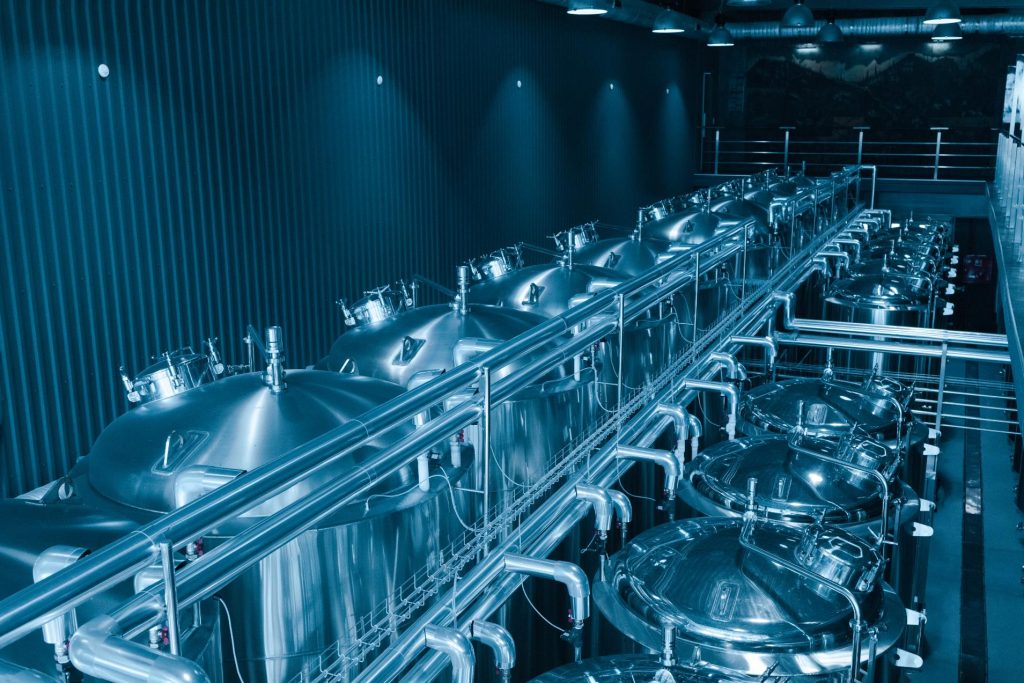
The bulk production industry faces constant pressure to meet high demands while maintaining efficiency and quality. Whether producing chemicals, food, or raw materials, manufacturers must navigate fluctuating market conditions, technological advancements, and evolving customer expectations. Staying competitive in this dynamic environment requires more than just keeping up—it calls for a commitment to continuous improvement. Continuous improvement is a systematic approach to enhancing processes, reducing waste, and maximizing value. For the bulk production industry, it’s not just a strategy but a necessity. This article explores how businesses can embrace continuous improvement to adapt to rapid changes and thrive in today’s fast-paced market. Why Continuous Improvement is Essential in Bulk Production Bulk production relies on consistency, speed, and scalability. However, even minor inefficiencies can snowball into significant challenges, from increased operational costs to delayed deliveries. Continuous improvement provides a framework for identifying and addressing these issues proactively. Addressing Industry Challenges The bulk production industry often grapples with fluctuating raw material costs, supply chain disruptions, and stringent regulatory requirements. Continuous improvement helps organizations stay agile, ensuring they can adapt processes quickly and efficiently. Meeting Customer Expectations Customers today demand faster turnaround times and higher quality products. Continuous improvement enables manufacturers to meet these expectations by streamlining operations and enhancing product consistency. Key Principles of Continuous Improvement To succeed, bulk production companies must integrate continuous improvement into their daily operations. Here are the core principles that drive this approach: 1. Focus on Incremental Changes Continuous improvement doesn’t require massive overhauls. Instead, it focuses on making small, incremental changes that collectively lead to significant improvements. This approach minimizes disruption while maximizing long-term benefits. 2. Data-Driven Decision Making Accurate data is the foundation of continuous improvement. By analyzing production metrics, companies can pinpoint inefficiencies, track progress, and make informed decisions to enhance performance. 3. Employee Involvement The people closest to the production process often have the best insights into what works and what doesn’t. Encouraging employees to participate in improvement initiatives fosters a culture of collaboration and innovation. How Continuous Improvement Transforms Bulk Production Streamlining Production Processes Efficiency is crucial in bulk production. Continuous improvement identifies bottlenecks and waste in the production line, allowing teams to optimize workflows and reduce cycle times. Example: A chemical manufacturer noticed delays during the blending process. By analyzing production data, they discovered that raw material delivery timing was inconsistent. Adjusting the scheduling process reduced delays, improving overall throughput by 12%. Enhancing Product Quality Maintaining consistent product quality is a significant challenge in bulk production, especially when dealing with large-scale batches. Continuous improvement helps manufacturers establish robust quality control systems to detect and address defects early. Real-World Scenario: A food producer experienced variability in the texture of their product. Through continuous improvement, they identified inconsistencies in mixing times and implemented new standards, resulting in a more uniform product and fewer customer complaints. Reducing Waste and Operational Costs Waste reduction is a cornerstone of continuous improvement. By identifying inefficiencies, companies can minimize waste, reduce energy consumption, and lower operational costs. Case Study: A paper manufacturer reduced material waste by 15% after implementing continuous monitoring and optimizing their cutting process. This not only saved costs but also supported their sustainability goals. Increasing Flexibility and Agility The bulk production industry must often respond quickly to changes in demand or supply chain disruptions. Continuous improvement enhances a company’s ability to adapt by streamlining decision-making and increasing operational flexibility. Scenario: A packaging manufacturer leveraged continuous improvement to reduce changeover times between different product runs. This agility allowed them to meet fluctuating customer orders without compromising efficiency. Best Practices for Implementing Continuous Improvement 1. Start Small and Scale Gradually Begin with a single process or department to test continuous improvement strategies. Once you see results, scale these practices across the organization. 2. Leverage Technology Digital tools like real-time monitoring systems and analytics platforms provide valuable insights into production performance. These tools enable faster identification of inefficiencies and support data-driven decision-making. 3. Foster a Culture of Improvement Continuous improvement thrives in a culture that encourages experimentation and values employee contributions. Recognize and reward teams for their efforts in identifying and implementing improvements. 4. Regularly Review and Adjust Continuous improvement is an ongoing process. Regularly review progress, gather feedback, and adjust strategies to address new challenges and opportunities. Real-World Success Stories Case Study 1: Streamlining Operations in a Bulk Chemical Plant A bulk chemical manufacturer faced rising operational costs due to frequent equipment breakdowns. By adopting continuous improvement practices, they identified that inconsistent maintenance schedules were a major contributor. Implementing predictive maintenance reduced equipment downtime by 20%, improving overall efficiency. Case Study 2: Enhancing Quality in Bulk Food Production A large-scale bakery struggled with quality inconsistencies across batches. Through continuous improvement, they optimized their mixing and baking processes, reducing variability and improving customer satisfaction. This resulted in a 15% increase in repeat orders. The Future of Continuous Improvement in Bulk Production As technology evolves, so does the potential for continuous improvement. Advanced tools like machine learning and IoT devices are providing deeper insights and enabling predictive analytics, further enhancing the effectiveness of continuous improvement strategies. Companies that embrace these advancements will be better equipped to navigate the challenges of an ever-changing industry, ensuring long-term success and sustainability. Conclusion Continuous improvement in bulk production is not just about fine-tuning processes; it’s about building a resilient, adaptable, and efficient organization. By focusing on incremental changes, leveraging data, and fostering a culture of collaboration, companies can optimize their operations and stay competitive in a rapidly evolving market. For businesses ready to take the next step, embracing continuous improvement is a powerful way to drive growth, improve quality, and reduce costs.
The Future of Cross-Functional Communication with Digital Tiered Meetings

Keeping teams aligned across different functions has always been a challenge. As organizations grow more complex, the need for seamless communication between departments becomes crucial. Whether it’s operations coordinating with sales or maintenance syncing with production, misalignment can slow down processes and create costly bottlenecks. This is where digital tiered meetings are transforming the way teams collaborate. By leveraging structured, multi-level communication, these meetings provide a dynamic space for teams to address issues, share insights, and make informed decisions—without the chaos of endless emails or scattered updates. But what exactly are digital tiered meetings, and why are they becoming indispensable? Let’s dive deeper. What Are Digital Tiered Meetings? Tiered meetings are designed to provide a structured way of sharing information across different organizational levels. They typically start at the team level and escalate to higher tiers, ensuring that only the most critical information reaches top management. Digital tools enhance this process by providing real-time updates, data visualization, and streamlined reporting. A Modern Take on Traditional Meetings In a traditional setup, information often travels slowly through layers of management, risking distortion or delay. Digital tiered meetings eliminate these issues by enabling instant communication and feedback loops. Instead of waiting for weekly updates, leadership can get insights from the ground floor within minutes, making problem-solving faster and more effective. Key Features of Digital Tiered Meetings Real-Time Data Sharing: Teams can input data directly into shared dashboards, ensuring everyone is working with the latest information. Multi-Level Collaboration: From frontline workers to executive leaders, everyone stays informed and aligned. Automated Summaries and Action Tracking: Decisions and tasks are documented automatically, reducing the risk of oversight. Why Cross-Functional Communication Often Fails Before understanding how digital tiered meetings improve communication, it’s important to address why cross-functional collaboration often struggles. Silos and Information Gaps Different departments often operate in silos, with their own systems, goals, and priorities. Without a clear communication channel, critical updates can get lost, and teams may work at cross purposes. Slow Escalation of Issues In traditional setups, problems at the ground level may take days or weeks to reach decision-makers. This delay can lead to inefficiencies, prolonged downtimes, or missed opportunities. Lack of Accountability Without a clear framework, it’s easy for action items to fall through the cracks. Meetings happen, but follow-through is inconsistent. How Digital Tiered Meetings Solve These Problems Breaking Down Silos Digital tiered meetings create a centralized communication platform where updates, challenges, and insights are shared transparently. Instead of each department working in isolation, teams collaborate with a shared understanding of organizational priorities. Example: In a manufacturing setting, the production team can instantly alert maintenance about equipment issues during a tiered meeting, allowing for immediate planning and action. Accelerating Decision-Making With digital tools, critical issues can be escalated and resolved in real time. Decision-makers no longer have to wait for formal reports or lengthy chains of command. Scenario: During a digital tiered meeting, a supply chain delay is flagged. The purchasing and logistics teams coordinate instantly, adjusting schedules and minimizing the impact on operations. Ensuring Accountability Every decision and action point from a digital tiered meeting is recorded and tracked. Teams can easily revisit previous meetings, check progress on tasks, and follow up on unresolved items. Benefit: This ensures that responsibilities are clear and that nothing is forgotten, improving overall accountability. Benefits of Digital Tiered Meetings for Cross-Functional Communication 1. Improved Transparency When everyone has access to the same information, misunderstandings are minimized. Digital tiered meetings foster a culture of openness, where teams can address challenges head-on and align on solutions. 2. Greater Agility The ability to quickly escalate issues and adapt plans allows organizations to stay agile in the face of changing circumstances. This is especially crucial in industries where conditions can shift rapidly, such as manufacturing, healthcare, or logistics. 3. Enhanced Team Collaboration Cross-functional teams work more effectively when they can share updates and insights without barriers. Digital tiered meetings provide a forum for meaningful collaboration, ensuring that all voices are heard and considered. Real-World Applications of Digital Tiered Meetings Case Study 1: Streamlining Maintenance in Energy Plants An energy company implemented digital tiered meetings to improve communication between its maintenance and operations teams. Before adopting this system, equipment issues often went unnoticed until they caused significant disruptions. With digital tiered meetings, maintenance teams now report real-time data on equipment health, and operations teams can plan around potential downtimes. This proactive approach reduced unexpected outages by 30%. Case Study 2: Enhancing Supply Chain Coordination in Food Production A food production company faced frequent delays due to miscommunication between procurement, production, and distribution. After adopting digital tiered meetings, the company saw significant improvements. Teams could escalate supply chain issues immediately, enabling faster resolutions and reducing delays by 20%. Implementing Digital Tiered Meetings: Best Practices Start Small Begin with one or two tiers before expanding the system across your organization. This allows teams to get comfortable with the process and identify any initial challenges. Use the Right Tools Choose software that supports real-time communication, data sharing, and action tracking. Ensure the platform integrates with your existing systems for a seamless experience. Provide Training and Support To maximize the benefits of digital tiered meetings, ensure that all team members understand how to use the tools effectively. Offer ongoing training and support to help them adapt. Review and Optimize Regularly review the effectiveness of your tiered meetings. Gather feedback from participants and make adjustments to improve the process over time. Conclusion Digital tiered meetings represent the future of cross-functional communication. By breaking down silos, accelerating decision-making, and ensuring accountability, these systems help organizations operate more efficiently and effectively. In a world where timely collaboration is key, adopting digital tiered meetings isn’t just an upgrade—it’s a necessity for staying competitive and agile.
Using Food and Beverage Production Analytics to Improve Daily Operations

In food and beverage manufacturing, meeting production goals is only part of the equation. Success hinges on delivering consistent quality, minimizing waste, and running operations efficiently. These challenges are amplified by fluctuating demand, regulatory scrutiny, and rising costs. Production analytics offer a solution. By harnessing data from every stage of the production process, manufacturers can gain insights that drive smarter decisions. This approach not only optimizes performance but also ensures companies stay competitive in a fast-paced industry. Let’s explore how production analytics can enhance daily operations and help food and beverage manufacturers thrive. Why Production Analytics Are Vital in Food and Beverage The food and beverage industry is characterized by complexity. Manufacturers deal with variables like ingredient variability, seasonality, and evolving consumer preferences. Without clear insights, identifying inefficiencies or quality issues can be time-consuming and costly. Turning Data into Action Production analytics transform raw data into actionable insights. From tracking machine efficiency to monitoring ingredient usage, these tools help manufacturers make data-driven decisions. This ensures that every aspect of production operates at peak performance. Competing in a Challenging Market With tight margins and high customer expectations, staying ahead requires more than intuition. Companies that leverage production analytics gain a competitive edge by optimizing processes, improving product consistency, and reducing operational costs. Key Areas Where Production Analytics Drive Improvement 1. Enhancing Production Efficiency Efficiency is a cornerstone of manufacturing success. Analytics provide real-time visibility into production performance, helping identify bottlenecks and inefficiencies. Key metrics include cycle time, throughput, and equipment utilization. These metrics highlight areas where production can be streamlined. Example: A beverage manufacturer struggled with slow bottling speeds. By analyzing cycle time data, they pinpointed a conveyor issue. Adjusting the system increased throughput by 15%, helping them meet demand more effectively. 2. Improving Quality Control Maintaining consistent product quality is essential in the food and beverage industry. Production analytics monitor quality metrics throughout the process, ensuring every product meets high standards. Metrics such as defect rate, first pass yield, and ingredient variance help teams quickly detect and address quality issues. Real-Life Scenario: A bakery found their defect rate was rising. Analytics revealed inconsistent ingredient measurements during mixing. Recalibrating their equipment reduced defects by 10%, ensuring better consistency. 3. Reducing Waste and Managing Costs Waste is a significant concern for food and beverage manufacturers, impacting both profitability and sustainability. Production analytics track waste patterns, helping teams identify areas where improvements can be made. Key metrics include yield percentage, scrap rates, and energy consumption. These insights allow companies to optimize resource use and cut unnecessary costs. Actionable Insight: A dairy plant noticed high material waste during pasteurization. Analytics helped them adjust temperature settings, reducing waste by 8% and saving thousands annually. 4. Boosting Workforce Productivity Analytics aren’t just for machines. They also provide insights into workforce performance, helping manufacturers optimize labor allocation and improve productivity. Metrics such as units produced per employee and labor utilization help managers identify training needs and balance workloads. Case Study: A snack producer saw lower productivity during night shifts. Analytics revealed the team lacked training on new equipment. After targeted training sessions, productivity improved by 18%, bringing night shift output in line with other teams. Implementing Production Analytics: Best Practices Start with Clear Objectives Before implementing analytics, it’s essential to define your goals. Are you looking to reduce waste, improve quality, or increase throughput? Clear objectives will help focus your efforts and measure success. Integrate with Existing Systems For analytics to deliver value, they must integrate seamlessly with your current production systems. Many modern platforms can connect with existing machinery and software, providing real-time data without disrupting operations. Train Your Team Data is only useful if your team knows how to interpret it. Comprehensive training ensures employees understand how to use analytics tools and apply insights to improve daily operations. Monitor and Refine Once your analytics system is in place, continuously monitor performance and adjust your strategies as needed. Regular reviews help identify new opportunities for improvement and ensure long-term success. Real-World Success Stories Case Study 1: Beverage Manufacturer A leading beverage company faced frequent bottling line stoppages, causing significant delays. Production analytics revealed that the issue stemmed from inconsistent conveyor speeds. Adjustments reduced downtime by 20%, improving overall efficiency. Case Study 2: Snack Producer A snack manufacturer struggled with high ingredient costs due to excessive waste during packaging. Analytics showed that packaging machines were miscalibrated, leading to overuse of materials. Correcting the issue reduced material waste by 12%, saving the company thousands annually. Conclusion Food and beverage production analytics provide powerful tools for optimizing daily operations. By delivering actionable insights, these systems help manufacturers improve efficiency, maintain quality, and reduce waste. For companies in this competitive industry, adopting production analytics isn’t just a smart move—it’s essential for long-term success.