
How KPI Tracking Improves Performance: Lessons from Manufacturing

Staying competitive requires more than intuition for manufacturing. Clear, measurable data is essential to understanding performance, identifying inefficiencies, and making improvements. KPI tracking in manufacturing performance provides this clarity. Key Performance Indicators (KPIs) help manufacturers measure and monitor crucial aspects of their operations, from production efficiency to quality control. Tracking these metrics allows teams to make informed decisions, improve processes, and achieve better results. Let’s explore how KPI tracking impacts performance and the lessons manufacturers can take from it. The Importance of KPIs in Manufacturing KPIs serve as the benchmarks for success in manufacturing, offering a comprehensive view of operational health. They help businesses quantify their progress, assess areas of improvement, and ensure alignment with production goals. Without KPIs, it’s easy to lose sight of what’s holding operations back or where there’s room for optimization. Gaining Operational Visibility Manufacturing environments are intricate, with multiple moving parts and variables. KPI tracking consolidates data from different areas, providing a real-time snapshot of performance. This visibility is crucial for spotting trends, addressing inefficiencies, and maintaining consistency across operations. Enabling Informed Decision-Making With reliable data at their fingertips, decision-makers can focus their efforts where it matters most. Instead of relying on assumptions, KPI tracking equips managers with actionable insights to streamline workflows, optimize resources, and improve outcomes. Key Areas Where KPI Tracking Drives Results Effective KPI tracking covers various aspects of manufacturing, each contributing to overall performance. Below are some critical areas where tracking KPIs can significantly improve operations. 1. Enhancing Production Efficiency Production efficiency determines how well resources are utilized to meet output goals. KPIs in this area help manufacturers track productivity and identify any obstacles slowing down production. Relevant KPIs: Cycle Time: Measures the time it takes to produce a single unit. Throughput: Tracks the total number of units produced within a set timeframe. Overall Equipment Effectiveness (OEE): Evaluates how effectively equipment is utilized. Real-World Example: A manufacturer noticed their throughput was below target. By analyzing OEE data, they discovered that a specific machine was underperforming due to frequent stops. After addressing the root cause, they saw a 15% increase in production output. 2. Improving Quality Control Maintaining high product quality is essential for customer satisfaction and brand reputation. KPI tracking helps manufacturers monitor and improve quality across every stage of production. Key Quality KPIs: Defect Rate: Indicates the percentage of defective products. First Pass Yield (FPY): Tracks the number of products that meet quality standards without rework. Customer Complaint Rate: Reflects product performance from the customer’s perspective. Lesson from the Floor: An electronics manufacturer noticed an uptick in defect rates. KPI analysis pointed to a soldering issue during assembly. By recalibrating equipment and retraining staff, they reduced defects by 20%, ensuring higher product reliability. 3. Reducing Downtime Downtime is a significant performance drain, whether it’s caused by equipment failure, material shortages, or unplanned maintenance. Monitoring downtime KPIs provides insight into its frequency and duration, helping teams take proactive steps to minimize it. Downtime KPIs to Track: Mean Time Between Failures (MTBF): Measures the average time between equipment breakdowns. Mean Time to Repair (MTTR): Tracks how quickly equipment is repaired and back in operation. Proactive Approach: A parts manufacturer used MTBF data to identify their most failure-prone machines. Implementing preventive maintenance schedules based on these insights reduced unexpected breakdowns, increasing uptime by 25%. 4. Optimizing Workforce Productivity Employees are an integral part of manufacturing performance, and their productivity directly impacts output and efficiency. Workforce KPIs help track employee contributions and highlight opportunities for improvement. Important Workforce KPIs: Units Produced Per Employee: Measures individual productivity levels. Attendance and Punctuality: Ensures adequate staffing levels for seamless operations. Case Study: A manufacturer tracked productivity across shifts and noticed a night shift lagging behind others. Further investigation revealed gaps in training. After implementing additional training programs, productivity improved by 18%. Lessons from Effective KPI Tracking Focus on Actionable Metrics Not every data point needs to be a KPI. The key is to focus on metrics that provide actionable insights. Whether it’s improving throughput or reducing defects, the right KPIs should drive meaningful changes that align with business goals. Review and Adjust Regularly KPI tracking isn’t a one-and-done exercise. Manufacturing conditions change, and so should the KPIs you monitor. Regularly reviewing your metrics ensures you’re always focused on the areas that need attention. Foster a Data-Driven Culture For KPI tracking to be effective, it needs to be embraced across the organization. From the shop floor to upper management, everyone should understand the value of these metrics and how they contribute to overall success. Real-World Impact of KPI Tracking Case Study 1: Automotive Supplier An automotive parts supplier struggled with missed production targets due to frequent equipment breakdowns. By implementing KPI tracking, they monitored OEE and MTBF metrics closely. Results: Identified the top three machines causing most downtime. Implemented a predictive maintenance program, reducing equipment failures by 30%. Achieved a 12% boost in production output. Case Study 2: Consumer Goods Manufacturer A consumer goods company faced rising defect rates that were starting to impact customer satisfaction. Tracking quality KPIs, they pinpointed the problem to a specific production line. Outcome: Adjusted the production process and improved employee training. Reduced defect rates by 22%, leading to fewer customer complaints and a stronger brand reputation. Implementing KPI Tracking in Your Operations Step 1: Define Your Objectives Before you start tracking KPIs, it’s important to identify what you want to achieve. Whether it’s reducing costs, improving quality, or increasing production speed, your goals will guide the KPIs you choose. Step 2: Select the Right KPIs Choose metrics that align with your objectives and provide clear, actionable insights. Avoid the temptation to track too many KPIs at once—focus on those that have the most impact. Step 3: Use Technology to Your Advantage KPI tracking is most effective when supported by the right tools. Use manufacturing software or dashboards to automate data collection and present metrics in a clear, accessible format. Step 4: Act on the Data Tracking KPIs is only valuable if
The Role of RCA in Improving Process Stability and Reducing Failures

Manufacturing processes are complex, involving numerous variables that can impact efficiency, product quality, and operational stability. When failures occur—whether it’s equipment malfunctions, production delays, or quality defects—they can disrupt operations and lead to significant financial losses. Addressing these issues effectively requires more than quick fixes; it demands a deeper understanding of their origins. This is where root cause analysis for process stability proves invaluable. RCA is a systematic approach that helps manufacturers uncover the true causes behind recurring problems, ensuring sustainable solutions. Rather than addressing surface-level symptoms, RCA dives into the “why” behind process instability, leading to lasting improvements. Let’s explore its critical role in maintaining stability and minimizing failures in production environments. What is Root Cause Analysis (RCA)? Root cause analysis (RCA) is a problem-solving methodology aimed at identifying the primary reason behind a failure or inefficiency. Unlike reactive approaches that focus on resolving the immediate issue, RCA looks at the bigger picture to find out what triggered the problem in the first place. This approach is particularly vital in manufacturing, where instability can arise from a variety of sources—machine wear, human error, supply chain disruptions, or even environmental conditions. By getting to the root of these issues, businesses can implement corrective actions that prevent future occurrences, ensuring more consistent and reliable operations. Why Process Stability Matters The Impact of Unstable Processes Unstable processes are one of the biggest threats to efficient manufacturing. When systems lack consistency, the ripple effects can be devastating: Frequent Downtime: Equipment that repeatedly breaks down halts production and increases maintenance costs. Quality Defects: Unstable processes often produce inconsistent products, leading to customer complaints, returns, and potential damage to brand reputation. Wasted Resources: Time, materials, and labor are squandered when processes don’t operate as intended. For example, consider a packaging line where sealing equipment fails intermittently. Each failure results in product rework or waste, increasing production costs and delaying delivery schedules. These recurring issues highlight the importance of achieving process stability, where systems consistently operate within optimal parameters. The Role of Root Cause Analysis in Process Stability 1. Uncovering Hidden Issues One of the key strengths of RCA is its ability to reveal problems that aren’t immediately obvious. When production lines encounter recurring failures, the root cause often lies deeper than what’s visible on the surface. Example: A textile manufacturer frequently experienced fabric tears during production. Initially, the issue was attributed to operator error. However, through RCA, it was discovered that worn-out rollers were the true culprit, causing uneven tension. Once the rollers were replaced, the tears ceased, and output quality improved significantly. This ability to dig deeper ensures that problems are addressed comprehensively, not superficially. 2. Preventing Recurring Failures One of the most frustrating aspects of manufacturing is dealing with the same problem repeatedly. RCA helps break this cycle by ensuring the root cause of failures is identified and eliminated. Case Example: A chemical plant faced regular pump failures. Maintenance teams would replace the pumps, only for the issue to recur weeks later. RCA revealed that the real problem was incompatible fluid viscosity, which the pumps weren’t designed to handle. Switching to pumps suited for the specific fluid resolved the issue permanently, reducing downtime and maintenance costs. 3. Improving Decision-Making Informed decisions are the cornerstone of process stability. RCA equips managers with detailed insights into the underlying causes of inefficiencies and failures. These insights allow them to prioritize resources and focus efforts on areas that will yield the greatest impact. Scenario: A manufacturing firm noticed frequent delays in production due to bottlenecks in material handling. RCA identified that outdated conveyor systems were the primary cause. Armed with this data, management justified investing in automated conveyors, leading to smoother production flow and shorter lead times. 4. Fostering a Culture of Continuous Improvement RCA doesn’t just fix problems; it lays the groundwork for ongoing improvement. By regularly analyzing process performance and addressing root causes, manufacturers can build a culture where continuous improvement becomes second nature. When teams are encouraged to investigate issues deeply and suggest improvements, they become more proactive in maintaining process stability. Over time, this leads to more resilient operations capable of adapting to changes without significant disruptions. Tools and Techniques for Effective RCA To conduct RCA effectively, various tools and techniques can help streamline the analysis process. Each tool offers a unique way to uncover and visualize the root causes of problems. 1. 5 Whys Method This technique involves asking “Why?” multiple times to drill down into the problem’s root cause. It’s straightforward yet highly effective. Example: Problem: A machine stops working. 1st Why: Why did the machine stop? (The motor overheated.) 2nd Why: Why did the motor overheat? (The cooling fan failed.) 3rd Why: Why did the cooling fan fail? (It wasn’t cleaned regularly.) 4th Why: Why wasn’t it cleaned? (No maintenance schedule in place.) Root Cause: Lack of preventive maintenance schedule. 2. Fishbone Diagram This visual tool maps out all potential causes of a problem, categorized by factors like equipment, materials, methods, and personnel. Use Case: A food processing plant used a fishbone diagram to analyze why their packaging machine frequently jammed. They discovered that incorrect packaging material sizes were being used, leading to machine blockages. 3. Pareto Analysis This technique identifies the most significant causes of a problem by applying the 80/20 principle—focusing on the 20% of causes responsible for 80% of the issues. Example: A manufacturer dealing with multiple quality defects found that 80% of defects came from just two machines. This insight allowed them to focus improvement efforts where they mattered most. 4. Failure Mode and Effects Analysis (FMEA) FMEA helps teams identify potential failure points within a process and assess their impact. This allows them to address vulnerabilities before they lead to actual failures proactively. Real-World Applications of RCA for Process Stability Case Study 1: Automotive Manufacturer An automotive parts manufacturer faced recurring production delays due to frequent machine breakdowns. Using root cause analysis for process stability, the company identified that their maintenance procedures were reactive
Real-Time Data: How Analytics Drive Smarter Decisions in Production

In any production environment, delays and errors can quickly escalate into major problems. Real-time analytics changes the game by offering immediate visibility into every aspect of operations. This helps businesses address issues as they happen and even prevent them before they occur. Imagine a typical production line where data is collected but only reviewed at the end of a shift. If something went wrong mid-shift, teams wouldn’t know until it was too late. With real-time analytics, this scenario changes dramatically. Teams can monitor performance in real time and fix problems on the spot. This means less downtime, fewer defects, and a more efficient production process overall. Benefits of Real-Time Analytics in Production Decision-Making 1. Solve Problems Faster Production challenges don’t wait for the end of a shift. With real-time analytics in production decision-making, teams can identify and resolve issues instantly. Example: Let’s say a machine in your plant starts showing unusual vibration levels. Without real-time monitoring, this might go unnoticed until the machine fails. By then, the damage could lead to hours of downtime and expensive repairs. With real-time data, maintenance teams get an immediate alert and can investigate the issue before it escalates, saving both time and money. This proactive problem-solving approach is a huge step forward compared to traditional methods, where problems are often addressed only after they’ve caused significant disruption. 2. Boost Efficiency Across the Board Efficiency is the backbone of any successful production line. Real-time analytics helps teams make adjustments as conditions change, ensuring operations run as smoothly as possible. What This Looks Like: Imagine a production line operating at below optimal speed due to an unnoticed bottleneck. With real-time data, managers can spot the slowdown immediately and shift resources to address the issue, minimizing lost time. In one case, a manufacturer used real-time analytics to monitor worker performance and machine output. When they noticed a particular station frequently causing delays, they reallocated staff and improved the workflow. This simple adjustment led to a 15% boost in overall efficiency. 3. Make Smarter, Data-Driven Decisions Decisions based on outdated information are risky. Real-time analytics ensures that teams are always working with the latest data. For Example: If demand for a product spikes unexpectedly, production schedules can be adjusted in real time to meet the new requirements. Similarly, if a certain batch shows an unusually high defect rate, managers can pause production, investigate the issue, and make adjustments before continuing. This kind of agility is only possible with real-time analytics in production decision-making, enabling smarter, more confident decisions that are backed by data rather than guesswork. 4. Predictive Maintenance to Prevent Downtime One of the most powerful applications of real-time analytics is predictive maintenance. By analyzing live performance data, teams can predict when equipment will need servicing. Why It Matters: Instead of reacting to breakdowns, businesses can schedule maintenance during planned downtime, avoiding costly interruptions. For instance, a packaging company integrated predictive maintenance into their operations and reduced unexpected equipment failures by 40%. Real-time data helped them schedule timely maintenance, ensuring machines ran smoothly and minimizing production delays. Real-Time Analytics in Action: Key Use Cases 1. Monitoring Machine Performance Every second of machine downtime impacts production. Real-time analytics tracks critical metrics like temperature, speed, and vibration, providing instant alerts when something’s off. Detailed Example: A factory that manufactures precision parts uses real-time analytics to monitor the temperature of their milling machines. Previously, overheating would often go unnoticed until it affected product quality or damaged the machine. Now, real-time data provides early warnings, and teams can take action before the issue escalates. This ensures machines operate at peak performance, a key advantage of real-time analytics in production decision-making. 2. Quality Control in Real Time Product quality is non-negotiable in manufacturing. Real-time analytics tracks quality metrics throughout the production process, helping teams catch defects early. How It Works: Consider a food production plant where weight and packaging quality are critical. Real-time sensors check the weight of every product on the line. If a deviation occurs, the system flags it immediately, allowing the operator to correct the issue. Outcome: This minimizes waste and ensures customers only receive products that meet quality standards. It’s a perfect example of how real-time analytics in production decision-making enhances both efficiency and customer satisfaction. 3. Optimizing Production Schedules Unforeseen events like equipment malfunctions or changes in demand can throw off production schedules. Real-time analytics helps adjust plans on the fly. Benefit: Suppose a key machine goes down unexpectedly. With real-time analytics, managers can quickly redistribute tasks to other lines, ensuring production goals are still met. In another instance, a manufacturer used real-time data to adapt to last-minute changes in customer orders. This flexibility allowed them to meet tight deadlines without sacrificing quality, highlighting the adaptability that real-time analytics in production decision-making offers. 4. Reducing Energy Costs Energy consumption is a major expense in manufacturing. Real-time analytics tracks usage patterns, helping businesses find ways to cut costs. For Example: A chemical plant uses real-time data to identify which machines consume excessive energy during peak hours. By adjusting schedules to operate these machines during off-peak times, they saved 20% on their energy bills. This cost-saving opportunity is made possible through real-time analytics in production decision-making. Success Stories: Real-World Impact of Real-Time Analytics Case Study 1: Automotive Parts Manufacturer An automotive parts company faced frequent machine breakdowns, leading to costly downtime. By implementing real-time analytics in production decision-making, they gained immediate insights into machine performance and could predict maintenance needs. Results: Unplanned downtime dropped by 30%, saving millions in lost production time. Moreover, they improved overall production capacity by reallocating resources based on real-time data. Case Study 2: Food Manufacturer A food processing company struggled with high defect rates and waste. By using real-time analytics to monitor quality metrics, they caught issues early and made immediate adjustments. Outcome: Defect rates were reduced by 20%, and waste was significantly minimized, improving profitability and customer satisfaction. Bonus: The insights gained from real-time data also helped the company improve their supply
The Science of Continuous Improvement: Applying Lean Principles to Manufacturing

In manufacturing, standing still is not an option. To stay competitive, businesses must constantly refine their processes, cut down on waste, and improve quality. This drive for better results is the essence of continuous improvement. But it’s not about random tweaks; it’s about applying structured methods to optimize operations. At the core of this effort lies lean manufacturing and continuous improvement—a system designed to deliver more value with fewer resources. Let’s explore how these principles can help manufacturers improve efficiency and achieve operational excellence. Understanding Lean Manufacturing and Continuous Improvement Continuous improvement is the process of making small, ongoing changes to improve efficiency, quality, and performance. Lean manufacturing provides the framework for these changes by focusing on eliminating waste and streamlining workflows. Together, they create a powerful approach to operational excellence. For manufacturers, this means finding ways to enhance workflows, reduce inefficiencies, and foster better collaboration on the production floor. The result? Faster production, fewer errors, and better resource utilization. Key Principles of Lean Manufacturing Lean manufacturing lays out a roadmap for continuous improvement. Here are the core principles that help businesses create value and cut down on inefficiencies: 1. Defining Value from the Customer’s Perspective Improvement efforts should always start with the customer. What do they care about most—speed, quality, or cost? Understanding this helps manufacturers prioritize changes that add real value. Example: If customers value fast delivery, you might focus on reducing lead times rather than cutting production costs. 2. Mapping the Value Stream Once you know what your customers value, the next step is to map out your entire production process. This helps you see which steps add value and which don’t. Goal: Identify and eliminate activities that don’t contribute to the final product, such as unnecessary movement of materials or excessive waiting times. 3. Eliminating Waste (Muda) Lean focuses heavily on eliminating waste. Waste isn’t just about leftover materials; it includes anything that doesn’t add value, such as: Overproduction: Making more products than needed. Waiting: Idle time when machines or workers are not productive. Defects: Errors that require rework or lead to scrap. Excess Inventory: Stock that takes up space and ties up capital. Outcome: By tackling waste in all its forms, businesses can cut costs and improve efficiency. 4. Ensuring Continuous Flow A smooth flow of materials and information keeps production running efficiently. Lean systems aim to minimize interruptions and bottlenecks so work progresses steadily. Impact: This reduces delays, improves lead times, and ensures that products move quickly from production to delivery. 5. Using a Pull System Instead of producing goods based on forecasts, lean manufacturing uses pull systems, where production is driven by actual customer demand. Advantage: This avoids overproduction and reduces inventory, saving both space and money. Tools for Lean Manufacturing and Continuous Improvement Lean manufacturing and continuous improvement rely on practical tools to achieve results. Here are some of the most useful ones: 1. 5S System This tool focuses on organizing the workplace to improve efficiency and safety. The five steps are: Sort: Remove unnecessary items. Set in Order: Arrange tools and materials for easy access. Shine: Keep the workspace clean and well-maintained. Standardize: Create consistent practices across the team. Sustain: Make these practices a habit. Why It Matters: A well-organized workplace reduces the time spent looking for tools, prevents accidents, and helps workers focus on their tasks. 2. Kanban Kanban is a visual tool that helps teams manage workflows. It uses cards or boards to show the status of tasks, making it easy to see what’s in progress and what’s waiting to be done. Example: On a production line, Kanban signals when more parts are needed, ensuring smooth operations without overstocking. Benefit: Prevents bottlenecks and keeps work moving at an even pace. 3. Poka-Yoke (Error Proofing) This tool involves creating simple mechanisms that prevent mistakes before they happen. Example: A fixture that ensures parts can only be assembled in the correct orientation. Result: Reduces defects and minimizes the need for rework, saving time and resources. 4. Kaizen Events These are short, focused projects aimed at solving specific problems. Teams come together to analyze the issue, brainstorm solutions, and implement changes quickly. Why It’s Effective: Kaizen events foster teamwork, deliver quick results, and build momentum for further improvements. Real-World Applications of Lean Manufacturing and Continuous Improvement Case Study 1: Automotive Manufacturer An automotive parts supplier struggled with long lead times and high defect rates. After implementing lean principles, they reorganized their workspace using the 5S system and introduced a Kanban system to streamline production. Results: Lead times were cut by 30%, and defect rates dropped by 20%. These improvements allowed them to meet customer demands more efficiently. Case Study 2: Food Processing Plant A food manufacturer faced high levels of waste due to overproduction and inventory mismanagement. By adopting pull systems and value stream mapping, they aligned production with actual customer demand. Outcome: Waste was reduced by 25%, and inventory costs were significantly lowered, leading to better profit margins. Building a Culture of Continuous Improvement Sustaining continuous improvement requires more than tools; it needs a cultural shift. Here’s how businesses can create an environment where improvement thrives: Leadership Support Leaders set the tone for continuous improvement. They need to communicate its importance, provide the necessary resources, and celebrate team successes. Empowering Employees The people on the production line often have the best insights into what works and what doesn’t. Encouraging them to suggest improvements fosters a sense of ownership and drives better results. Measuring Success Continuous improvement efforts need to be tracked to ensure they’re making an impact. Metrics like lead times, defect rates, and waste levels help teams understand what’s working and where further improvements are needed. The Future of Lean Manufacturing and Continuous Improvement As technology advances, lean principles are being enhanced by digital tools and real-time data. Predictive maintenance, AI-driven analytics, and IoT sensors are helping manufacturers identify inefficiencies faster and respond proactively. The combination of lean manufacturing and continuous improvement with modern technology is paving the way
How Digital Tools Revolutionize Shift Handovers in Complex Industries

Shift handovers can make or break operations in complex industries. A poorly managed handover leads to miscommunication, lost information, and costly errors. Whether it’s a manufacturing plant, an energy facility, or a pharmaceutical production site, ensuring seamless transitions between shifts is critical to maintaining productivity and safety. Traditional methods like paper logs and verbal updates often fall short. They’re prone to errors, hard to track, and lack the transparency needed for modern operations. Enter digital tools, which are transforming the way shift handovers are managed. Let’s explore how these tools are revolutionizing operations in complex industries. Why Shift Handovers Matter in Complex Industries Shift handovers aren’t just about passing the baton; they’re about transferring critical information to keep operations running smoothly. In industries with high stakes, like energy and manufacturing, even small errors during handovers can lead to significant downtime, safety risks, or production losses. Challenges of Traditional Shift Handovers Lack of StandardizationWithout a standardized process, different teams might record and share information in varying ways. This inconsistency can result in missing or misinterpreted data, leaving incoming teams unprepared to address ongoing or emerging issues. Incomplete InformationVerbal handovers and handwritten notes often miss key details. For example, an overlooked equipment malfunction or a pending task can cause delays or safety incidents during the next shift. Limited AccountabilityWhen information isn’t properly documented, it becomes difficult to track who was responsible for a specific task or decision. This lack of accountability can lead to unresolved issues and finger-pointing when things go wrong. How Digital Tools Are Changing the Game Digital shift handover tools are designed to address these challenges head-on. They replace outdated methods with systems that provide real-time updates, standardized reporting, and easy access to historical data. Key Benefits of Digital Tools 1. Improved Communication and Transparency Digital tools provide a centralized platform where all updates, incidents, and tasks are logged in real-time. Everyone involved in the operation, from floor workers to management, has access to the same information. This transparency ensures that nothing gets lost in translation and that each team member knows exactly what’s happening. Example: In a manufacturing plant, if a machine shows signs of wear, this information is logged digitally along with any maintenance actions taken. The incoming shift can immediately see this and prioritize further checks or repairs. 2. Standardized Processes Digital systems enforce a consistent handover format. Instead of relying on individual preferences, every shift follows the same structured reporting process. What This Looks Like: Each handover includes fields for key metrics, such as production output, equipment status, and pending tasks. This ensures that teams focus on the most important data, reducing the risk of missing critical updates. Outcome: This structure not only improves shift-to-shift continuity but also helps in long-term data analysis, allowing companies to spot patterns and make informed improvements. 3. Real-Time Data and Insights Many digital handover tools integrate with other systems, providing live data from the production floor. Teams can monitor everything from machine performance to safety metrics in real-time. Impact: Managers and operators can act quickly on any anomalies, preventing small issues from escalating into major problems. Enhanced Decision-Making: With access to real-time data, decisions are no longer based on assumptions. Teams have the information they need to optimize workflows and respond dynamically to changing conditions. 4. Enhanced Accountability Every entry in a digital tool is linked to a specific user, creating a clear record of who completed what tasks and when. Accountability in Action: If a maintenance check is logged as incomplete, the responsible party is identified, ensuring that nothing slips through the cracks. This not only improves individual accountability but also boosts overall team performance by fostering a culture of responsibility. Incident Investigation: In the event of an error or downtime, digital records make it easy to trace the chain of events, helping teams quickly identify root causes and implement corrective measures. 5. Seamless Integration with Existing Systems Digital handover tools often integrate with other critical systems, such as maintenance management, production analytics, and safety incident reporting. Integration Benefits: This connectivity provides a holistic view of operations. For instance, if a machine requires urgent maintenance, the system can automatically notify both the maintenance team and the incoming shift, ensuring everyone stays aligned. Real-World Impact of Digital Shift Handover Tools Case Study: Manufacturing Industry A large manufacturing company struggled with frequent downtime due to miscommunication during shift handovers. After implementing a digital handover tool, they saw a 20% reduction in downtime. Teams were better informed, and managers could quickly address issues flagged during the handover process. Specific Outcome: Operators could log machine performance metrics in real time, allowing incoming teams to identify inefficiencies immediately. Over time, this led to more proactive maintenance and fewer unexpected breakdowns. Case Study: Energy Sector In an energy plant, safety incidents were often linked to incomplete handover information. By switching to a digital system, they ensured that all critical updates were documented and accessible. Specific Outcome: With all safety protocols and incidents clearly logged, incoming teams had a full picture of potential risks. Within six months, the plant saw a 15% decrease in safety incidents and significantly improved regulatory compliance. Choosing the Right Digital Tool Not all digital handover tools are created equal. When selecting a system, consider the following: 1. Ease of Use A tool is only effective if people actually use it. The system should be intuitive, with minimal training required for your teams to get started. Example: A straightforward interface with clear input fields and drop-down menus ensures fast adoption. This minimizes resistance and maximizes the tool’s impact. 2. Customization No two industries operate the same way. Your handover tool should adapt to your specific requirements, not the other way around. What to Look For: The ability to add custom fields, tailor reports, and adjust workflows according to your team’s needs. For instance, a pharmaceutical plant may need to track compliance details, while a food production facility focuses on quality control metrics. 3. Integration Capabilities A good digital tool doesn’t
Breaking Down Silos in Manufacturing: How Tier Boards Help

Manufacturing plants operate in fast-paced, high-pressure environments. Yet, many struggle with a fundamental issue that affects efficiency, safety, and performance—silos. Poor communication between departments, fragmented data, and a lack of real-time visibility create delays, errors, and inefficiencies that cost time and money. For site leaders, department managers, and shop floor teams, breaking down silos in manufacturing isn’t just about improving communication—it’s about eliminating inefficiencies that lead to costly downtime, production bottlenecks, and missed improvement opportunities. Tier Boards provide a structured, real-time communication framework that ensures issues are escalated correctly, decisions are based on accurate data, and teams stay aligned on priorities. The Problem: How Silos Disrupt Manufacturing Operations Silos in manufacturing happen when different departments—production, maintenance, quality control, and operations—work independently instead of as a unified system. Each function has its own goals and priorities, but without a structured way to communicate, information gets lost, leading to slow response times and inefficiencies. A common example is maintenance delays. If operators notice a recurring machine issue but don’t have a reliable way to escalate it, it may not reach maintenance until a complete failure occurs. By that point, unplanned downtime is unavoidable, disrupting production schedules. Similarly, quality control teams often work in isolation, only identifying defects late in the process rather than catching them early when adjustments can be made. The issue extends beyond daily operations. When shop floor teams and executives operate with different sets of data, decision-making becomes reactive rather than strategic. Leadership might set performance targets without real-time insights into bottlenecks on the production floor. The result is misalignment between high-level goals and on-the-ground realities. These breakdowns are not just operational nuisances—they directly impact revenue, efficiency, and overall competitiveness. The Solution: How Tier Boards Improve Communication and Efficiency Tier Boards are not just visual tools—they are a structured, tiered communication system that ensures issues are addressed at the right level, at the right time. They create a clear escalation pathway from the shop floor to site leadership, making meetings more effective and reducing the risk of miscommunication. Real-Time Visibility Across All Departments Siloed data slows down manufacturing operations. When maintenance logs equipment issues separately, quality control tracks defects in isolation, and production teams focus solely on throughput, crucial insights get lost. This disconnect delays decision-making, increases downtime, and reduces overall efficiency. Tier Boards eliminate these blind spots by centralizing real-time production data—from KPIs and maintenance schedules to safety concerns and ongoing issues. Instead of waiting for manually compiled reports, teams get instant access to live data, allowing them to react faster, prevent delays, and make proactive decisions before minor issues turn into major bottlenecks. Faster Decision-Making and Problem Resolution In siloed environments, problems either stay unresolved at the shop floor or are escalated too late. A structured escalation process is critical to avoid delays in addressing issues that could lead to downtime or lost production. Tier Boards define a structured meeting process: Tier 1 (Shift-Level Meetings): Frontline teams discuss immediate production concerns, including safety issues, machine performance, and quality trends. Tier 2 (Department-Level Meetings): Unresolved Tier 1 issues are escalated, and cross-functional teams collaborate on solutions. Tier 3 (Site Leadership Meetings): High-impact or recurring issues move to Tier 3, where decisions are made at the executive level. This structure ensures teams don’t waste time discussing problems they cannot solve at their level. Issues get addressed efficiently, and managers have full context when making decisions. Standardized Communication and Accountability Many manufacturing sites still rely on emails, spreadsheets, and manual logs to track production issues, leading to inconsistent reporting. Information is often delayed, incomplete, or lost, making it difficult to track accountability and follow up on unresolved problems. Tier Boards eliminate this inconsistency by providing a single, standardized reporting method. With all teams following the same process, data is updated in real time, and each issue has a clear owner and resolution deadline. Bridging the Gap Between Shop Floor and Leadership One of the biggest challenges in manufacturing is the disconnect between executives making strategic decisions and operators managing daily production. When leadership sets performance targets without a clear view of on-the-ground challenges, unrealistic expectations can lead to frustration and disengagement among frontline teams. Tier Boards close this gap by ensuring real-time production insights reach leadership without unnecessary delays. Instead of relying solely on reports compiled at the end of a shift or week, executives have immediate access to data that reflects the actual conditions on the plant floor. Making Tier Boards a Manufacturing Standard For Tier Boards to work effectively, they need to be more than a tool—they must be part of the operational culture. Implementation requires clear meeting structures, leadership buy-in, and digital integration to ensure seamless communication. Three key steps for success: Digitize where possible – While physical boards work, digital Tier Boards provide real-time updates and ensure information is always accessible. Train teams on structured escalation – Employees must understand what issues should be escalated and when, ensuring problems are addressed at the correct level. Use data for continuous improvement – Insights from Tier Boards should drive long-term process enhancements, not just short-term fixes. Breaking down silos in manufacturing is not a one-time project—it’s an ongoing commitment to transparency, accountability, and efficiency. Tier Boards provide the structure needed to achieve this, ensuring manufacturing sites operate as unified, high-performing systems rather than disconnected departments. Take Action: Break Down Silos with EviView’s Tier Board Solution Manufacturing thrives on seamless collaboration, but silos between production, maintenance, and quality teams slow everything down. Critical issues get lost in endless emails, delays stack up, and decisions are made without real-time data. EviView’s Tier Boards eliminate these barriers by providing a structured, real-time communication system that connects teams across all levels. Operators can escalate issues instantly, managers gain full visibility into production challenges, and leadership makes informed decisions based on live data—not outdated reports. With automated escalation, centralized KPIs, and a clear meeting structure, EviView ensures that problems are addressed at the right time, by the right people, preventing costly downtime
The Hidden Cost of Poor Shift Handover: How to Fix It

Every manufacturing plant, biotech facility, and pharmaceutical site knows the importance of smooth operational continuity. Yet, when it comes to shift handovers—one of the most routine yet critical processes—many companies find themselves grappling with inefficiencies that disrupt operations, drive up costs, and create safety risks. Shift handover is more than a scheduled exchange of information. It is the moment when accountability is transferred, operational progress is updated, and unresolved issues are addressed. When executed poorly, it can trigger a ripple effect of downtime, safety incidents, and quality concerns that compound over time. The real cost? Much higher than most organizations realize. In this article, we’ll dig into the hidden costs of ineffective shift handovers, explore why traditional methods are failing modern operations, and highlight actionable strategies to address these challenges. The Cost of Poor Shift Handover: A Chain Reaction 1. Downtime and Operational Delays Every missed piece of information in a shift handover can quickly snowball into lost production time. Consider the scenario: the night shift detects a minor issue with a machine but fails to communicate it effectively during handover. The morning team begins operations without awareness of the problem, only to encounter a full equipment breakdown hours later. This kind of scenario is alarmingly common and incredibly costly. Recent studies estimate that industrial manufacturers face losses of approximately $50 billion annually due to this issue.The root cause? Inconsistent communication and incomplete documentation during the shift change process. When handovers are poorly executed, incoming teams are left playing catch-up: Operators spend their first hours clarifying notes or troubleshooting unresolved issues. Maintenance crews aren’t notified of repairs in time, delaying corrective actions. Site leaders lose valuable time piecing together fragmented updates from multiple shifts. For manufacturing facilities with high-value product lines—like pharmaceuticals or biotech—the stakes are even higher. Every moment of downtime doesn’t just result in lost revenue; it disrupts critical supply chains, delays product deliveries, and erodes customer trust. 2. Safety Risks and Compliance Challenges Safety is non-negotiable in industrial settings, yet it is often compromised when shift handovers are mishandled. When safety-critical details—such as equipment hazards, near-misses, or safety incidents—are overlooked or poorly communicated, the consequences can be catastrophic. For example, consider a near-miss involving a forklift that wasn’t logged during the night shift. By the time the next shift takes over, operators are unaware of the hazard, increasing the likelihood of an accident. Beyond the immediate safety risks, such incidents also pose serious compliance challenges in heavily regulated industries like pharmaceuticals or food production. In these industries, maintaining accurate and comprehensive documentation is essential for meeting OSHA, FDA, or ISO standards. Missing or inconsistent records during an audit can result in: Hefty fines and penalties. Operational shutdowns until compliance is restored. Long-term reputational damage that impacts customer confidence. Poor shift handovers leave organizations vulnerable to these risks. Without a clear, consistent process for logging safety concerns, companies cannot ensure workplace safety or regulatory compliance. 3. Quality Failures: When Details Are Missed Manufacturing environments rely on precision and consistency to maintain product quality. But when operational updates are skipped during a shift handover, the potential for quality issues skyrockets. Imagine a biotech facility producing a high-value vaccine. During a handover, a slight deviation in a temperature-controlled process is noted verbally but not recorded. The incoming team misses this critical detail, leading to a batch that fails quality checks. The result? Thousands—or even millions—of dollars lost in rework, scrap, or product recalls. Such scenarios are not hypothetical. Poor shift handovers directly contribute to: Batch inconsistencies and deviations. Increased waste and material loss. Compromised product integrity and customer satisfaction. The financial and reputational costs of these errors are immense, especially in industries where precision and trust are paramount. 4. The Human Cost: Disengaged Teams and Frustrated Leaders Beyond operational and financial consequences, poor shift handovers take a toll on teams. Operators who enter their shifts without a clear understanding of their tasks often feel frustrated and disengaged. Supervisors are left firefighting unresolved issues instead of driving improvements. Site leaders, in turn, spend their time chasing answers instead of focusing on strategy. This creates a culture where efficiency and accountability are sidelined. Over time, it leads to higher turnover rates, lower morale, and strained relationships between shifts. Why Traditional Handover Methods Fail Modern Operations The root of the problem lies in how many organizations approach shift handovers. Traditional methods—such as paper logs, spreadsheets, and verbal updates—might have worked decades ago, but they are no longer sufficient for today’s complex, fast-paced environments. Key Weaknesses of Traditional Methods Inconsistency: Operators document information differently, leaving critical details open to interpretation—or omitted altogether. Lack of Accessibility: Paper-based logs and spreadsheets are static and cannot be accessed in real-time by decision-makers or teams across departments. Error-Prone Processes: Manual data entry increases the risk of human error, leading to incomplete records and missed information. Delayed Escalation: Without automated systems, critical issues often go unaddressed for multiple shifts, compounding their impact. These weaknesses create information silos, misalignment between teams, and a lack of accountability—all of which drive up costs and risks. The Solution: A Digital Shift Handover System The good news? Modern technology offers solutions to these challenges. Digital shift handover systems provide the structure, visibility, and real-time insights needed to transform this critical process. How a Digital Shift Handover System Solves Key Issues Real-Time Communication In industries where every second counts, delays caused by incomplete information can have devastating ripple effects. A digital handover system ensures that critical updates—such as downtime events, safety incidents, or operational priorities—are instantly accessible to all stakeholders. This means the incoming team no longer spends time piecing together fragmented details. Real-time visibility provides both frontline operators and leadership with a shared understanding of what’s happening on the ground, enabling faster, more informed decision-making. Structured and Consistent Reporting Inconsistencies in reporting are often the root cause of miscommunication during handovers. With a digital system, every detail is logged in a standardized format, ensuring clarity and uniformity. By using structured frameworks like SQDIP
Cloud Solutions for Centralized Multi-Site Operations Data

Managing operations across multiple sites comes with unique challenges. From ensuring consistent data collection to fostering collaboration, organizations often struggle with fragmented systems and siloed information. This lack of cohesion can lead to inefficiencies, miscommunication, and delayed decision-making. Cloud solutions have emerged as a powerful tool to address these challenges. By providing a centralized platform for managing multi-site operations, they enable real-time data access, streamline workflows, and enhance coordination. This article explores how cloud technology supports centralized multi-site operations and why it’s essential for businesses aiming to improve efficiency and scalability. The Challenges of Multi-Site Operations Operating multiple sites—whether in manufacturing, retail, or logistics—requires seamless coordination between locations. However, traditional approaches often fall short. Data Silos and Inconsistent Reporting Each site may use its own system for tracking operations, leading to inconsistent data formats and reporting practices. This fragmentation makes it difficult for headquarters to get a clear picture of overall performance. Example: A manufacturing company with plants in different regions might struggle to consolidate production data, delaying insights into operational efficiency. Limited Visibility and Communication Without a centralized system, communication between sites is often slow and prone to errors. Teams may rely on manual updates or static reports, which don’t provide the real-time visibility needed for quick decision-making. High IT Maintenance Costs Managing separate on-premise systems for each site increases IT overhead. This approach requires frequent updates, backups, and hardware maintenance, diverting resources from more strategic initiatives. How Cloud Solutions Revolutionize Multi-Site Operations Cloud technology addresses these challenges by centralizing data and processes across all locations. Here’s how it transforms multi-site operations: 1. Real-Time Data Access and Analytics With cloud solutions, all sites feed their data into a centralized platform. This provides real-time visibility into operations, allowing teams to monitor performance, track key metrics, and respond to issues quickly. Benefit: Decision-makers no longer have to wait for end-of-day reports or sift through inconsistent data. They can access real-time dashboards, gaining instant insights into every site’s performance. Scenario: A logistics company uses cloud-based analytics to track delivery times and vehicle efficiency across multiple hubs. This enables them to identify delays and optimize routes in real time. 2. Enhanced Collaboration and Communication Cloud platforms offer integrated communication tools, such as chat, video conferencing, and shared dashboards. These features facilitate collaboration between teams at different locations, ensuring everyone stays aligned. Example: In a retail chain, store managers can use cloud-based collaboration tools to share sales trends and inventory updates with headquarters, enabling faster restocking decisions. 3. Scalable and Cost-Effective IT Infrastructure Unlike traditional on-premise systems, cloud solutions require minimal hardware and maintenance. Organizations can scale their operations easily, adding new sites without significant IT investment. Benefit: This reduces IT costs while ensuring all sites have access to the same advanced tools and capabilities. 4. Improved Data Security and Compliance Cloud providers offer robust security features, including data encryption, regular backups, and compliance with industry regulations. This ensures that sensitive data is protected, even across multiple locations. Scenario: A pharmaceutical company uses a cloud platform to manage production data from various plants. The system ensures compliance with FDA regulations by maintaining secure and auditable records. Key Benefits of Centralized Multi-Site Operations Consistency Across Locations Standardizing processes and data formats through a centralized cloud platform ensures consistency across all sites. This leads to more reliable reporting and better decision-making. Result: Organizations can implement best practices uniformly, improving overall performance. Faster Decision-Making Real-time data access enables quicker identification of trends, bottlenecks, and opportunities. Leaders can make informed decisions without waiting for consolidated reports. Benefit: This agility helps businesses stay competitive and responsive to market changes. Reduced Operational Costs By consolidating IT systems into a single cloud platform, companies reduce the need for redundant hardware and maintenance. They can allocate resources more efficiently, focusing on core business goals. Real-World Applications of Cloud Solutions Case Study 1: Manufacturing Efficiency A global manufacturing company faced challenges with data consolidation across its plants. Each site used a different system, making it difficult to track production metrics consistently. After adopting a cloud-based platform, the company gained real-time visibility into all plants’ performance, reducing production delays by 20%. Case Study 2: Retail Chain Expansion A growing retail chain needed a scalable system to manage its operations as it opened new stores. By switching to a cloud solution, the company streamlined inventory management, enabling faster restocking and improved customer satisfaction. Best Practices for Implementing Cloud Solutions Start with a Needs Assessment Identify the specific challenges your organization faces in managing multi-site operations. This will help you select the right cloud platform with features tailored to your needs. Choose a Scalable Solution Ensure the cloud platform you choose can grow with your business. Look for features like real-time analytics, automation, and easy integration with existing tools. Train Your Teams Successful implementation depends on user adoption. Provide training to ensure employees understand how to use the new platform effectively. Encourage feedback to address any concerns early. Monitor and Optimize Continuously monitor the platform’s performance and gather feedback from users. Use these insights to optimize workflows and take full advantage of the cloud’s capabilities. The Future of Centralized Multi-Site Operations As technology evolves, cloud solutions will continue to play a vital role in streamlining multi-site operations. Emerging technologies such as artificial intelligence and machine learning will further enhance data analysis, enabling predictive insights and automation. Organizations that embrace these innovations will be well-positioned to navigate the complexities of multi-site operations, driving efficiency and maintaining a competitive edge in their industries. Conclusion Cloud solutions are revolutionizing centralized multi-site operations, providing the tools needed to manage data, streamline processes, and foster collaboration across multiple locations. By adopting these technologies, businesses can overcome the challenges of fragmented systems, reduce costs, and improve decision-making. For companies seeking to enhance their multi-site operations, the cloud offers a scalable, secure, and efficient solution that supports long-term growth and success.
Achieving Safety in Pharma with EHS Software

In pharmaceutical manufacturing, safety is a non-negotiable priority. From handling hazardous chemicals to maintaining high production standards, ensuring the safety of workers, processes, and products is critical. Beyond worker protection, a single safety lapse can compromise product quality, result in costly recalls, and lead to regulatory penalties. Managing safety in this high-stakes environment is no small feat. That’s where pharma EHS software safety solutions come in. Environmental, Health, and Safety (EHS) software is designed to streamline compliance, reduce risks, and help organizations maintain a safe and efficient workplace. Let’s dive into how EHS software is revolutionizing safety in the pharmaceutical sector. Why Safety is Vital in Pharmaceutical Manufacturing Safety in the pharmaceutical industry is about much more than avoiding accidents. It encompasses everything from protecting employees and safeguarding products to staying compliant with stringent regulations. Each of these areas plays a crucial role in ensuring that operations run smoothly and that the company maintains its reputation. Protecting Workers Pharmaceutical manufacturing involves handling dangerous substances, operating high-risk machinery, and working in fast-paced environments. Without proper safeguards, workers face risks ranging from chemical exposure to physical injuries. Ensuring their safety is critical to sustaining operations and fostering a culture of care and responsibility. Maintaining Product Integrity Safety and product quality are intrinsically linked. A safety failure—such as contamination or equipment malfunction—can compromise an entire batch of medication. This not only leads to financial losses but also endangers patients and erodes trust in the company. Staying Ahead of Regulatory Requirements Compliance with regulations from agencies like the FDA, EMA, and OSHA is essential. Falling short can lead to costly fines, production shutdowns, and reputational damage. Pharma EHS software helps companies stay on top of these requirements by automating compliance tracking and simplifying documentation processes. How EHS Software Enhances Pharma Safety While maintaining safety is essential, doing so manually can be time-consuming and prone to human error. EHS software provides a comprehensive solution, offering tools that automate processes, enhance visibility, and empower teams to act swiftly and decisively when issues arise. Here’s how it works: 1. Simplifying Compliance Management Pharma manufacturing is subject to an extensive array of safety regulations, and keeping up with them manually can be overwhelming. EHS software automates the compliance process, ensuring that nothing slips through the cracks. How It Works: The software centralizes all compliance-related tasks, such as safety audits, equipment inspections, and training certifications. Automated reminders ensure timely completion of these tasks, while dashboards provide real-time visibility into compliance status. Why It Matters: By automating compliance, EHS software reduces the administrative burden, ensuring that companies meet regulatory requirements efficiently. 2. Incident Reporting and Investigation When an incident occurs, a swift and thorough response is essential to prevent recurrence. EHS software simplifies incident reporting and facilitates detailed investigations. Example: A chemical spill is immediately logged in the system, triggering an investigation workflow. The software guides teams through root cause analysis, helping them identify and address underlying issues. Benefit: Faster response times, improved documentation, and actionable insights that prevent similar incidents in the future. 3. Proactive Risk Management In pharma, being reactive isn’t enough. Proactively identifying and mitigating risks is crucial to maintaining a safe environment. EHS software provides tools to assess and manage risks in real time. Features Include: Hazard identification and risk assessments. Customizable risk scoring to prioritize high-risk areas. Dashboards displaying risk trends across the organization. By addressing potential hazards before they escalate, EHS software helps companies maintain process stability and prevent costly disruptions. 4. Enhancing Workforce Training and Awareness Even with the best systems in place, safety ultimately depends on the people on the ground. EHS software ensures that all employees are properly trained and aware of the latest safety protocols. How It Works: The platform manages training schedules, offers digital learning modules, and tracks employee certifications. Automated reminders help keep everyone up to date. Result: A more knowledgeable workforce that’s better equipped to handle risks, reducing the likelihood of human error. The Benefits of Implementing Pharma EHS Software When EHS software becomes part of a pharmaceutical company’s safety strategy, the results speak for themselves. From creating safer work environments to streamlining processes, the benefits extend across the entire organization. Safer Workplaces By streamlining safety processes and providing real-time insights, EHS software creates safer environments for workers. This not only reduces incidents but also boosts morale and productivity. Cost Efficiency Safety incidents come with hefty price tags—from direct costs like repairs and medical bills to indirect costs like downtime and regulatory fines. EHS software minimizes these expenses by preventing incidents and improving compliance readiness. Example: A pharmaceutical company using EHS software reduced safety-related downtime by 30%, leading to significant cost savings and increased production capacity. Centralized Safety Management For companies with multiple facilities, maintaining consistent safety standards can be challenging. EHS software centralizes all safety data, ensuring uniform compliance and providing managers with a clear overview of performance across all locations. Data-Driven Decision-Making With comprehensive reporting and analytics, EHS software empowers managers to make informed decisions. By analyzing trends in safety incidents and compliance metrics, companies can prioritize areas for improvement and allocate resources effectively. Real-World Applications of EHS Software The effectiveness of EHS software isn’t just theoretical. It has proven its value in real-world scenarios, helping companies improve safety and compliance across the board. Case Study 1: Global Pharmaceutical Manufacturer A global pharma company struggled with inconsistent safety reporting across its facilities. Implementing EHS software allowed them to standardize incident reporting and compliance tracking. Results: 25% reduction in workplace incidents within the first year. Improved audit outcomes and reduced preparation time for inspections. Case Study 2: Mid-Sized Pharma Company A mid-sized pharmaceutical firm frequently faced compliance penalties due to incomplete documentation and missed deadlines. After adopting EHS software, they automated compliance monitoring and streamlined safety documentation. Outcome: Zero compliance violations in the following year. 30% reduction in administrative workload, freeing up resources for proactive safety initiatives. Steps to Implement EHS Software The journey to enhanced safety begins with implementing the right tools. Here’s how
Cloud vs On-Premise: Pros and Cons for Modern Manufacturing Operations
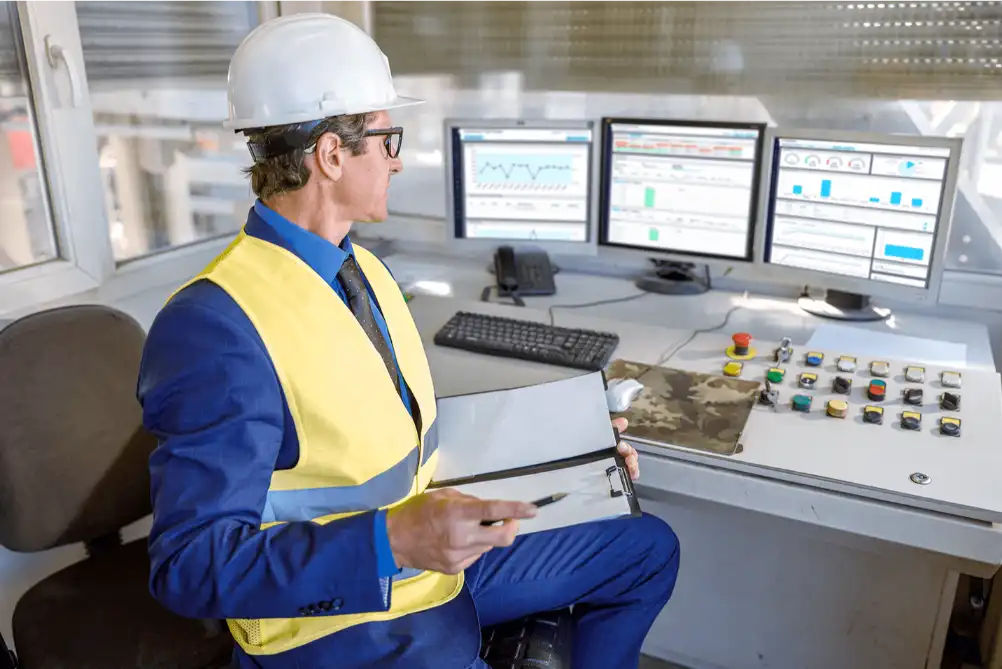
The technology you choose for your manufacturing business is critical. It’s not just about keeping systems running—it affects communication, adaptability, and long-term costs. Many companies face a big decision: cloud or on-premise systems? Each has clear benefits, and your choice will depend on your business priorities like flexibility, control, and budget. Let’s take a closer look at both options to help you decide which one fits your needs best. Why Many Businesses Are Moving to the Cloud Cloud systems have changed how businesses operate. They make it possible to access data and tools from anywhere, which is especially helpful for companies with multiple sites or remote teams. The cloud also simplifies how businesses handle IT, making it easier to grow without heavy investments in infrastructure. The Benefits of Going Cloud 1. Lower Upfront Costs One of the biggest advantages of the cloud is affordability. You don’t need to buy servers or set up data centers. Instead, you pay a regular fee based on usage. This is perfect for businesses that want to keep their initial expenses low and focus on improving their operations. 2. Effortless Scaling Expanding a business often means upgrading your systems. With cloud solutions, this process is easy. You can increase storage, add users, or even expand to new locations without buying more equipment. It’s a great fit for businesses that anticipate growth or face fluctuating demand. 3. Automatic Updates Cloud systems are always up-to-date. Service providers handle updates and maintenance in the background, so your team can focus on their work. This ensures you’re using the latest tools without the hassle of manual upgrades. 4. Reliable Data Backup Accidents happen—servers crash, files get deleted, or disasters strike. Cloud solutions automatically back up your data, so you don’t lose critical information. This feature helps businesses recover quickly and reduces downtime. The Challenges of Cloud Cloud comes with two very important drawbacks that might be a problem for businesses: Internet Dependency Cloud systems rely on an internet connection. If your internet is slow or unreliable, accessing your data can be difficult. This could be a problem in areas with poor connectivity. Data Privacy Concerns Storing data off-site can make some businesses nervous, especially in industries with strict regulations. It’s essential to choose a provider with strong security measures and compliance certifications. Why Some Businesses Prefer On-Premise Despite the rise of cloud computing, many companies still prefer on-premise systems. These systems offer more control and security since everything is managed in-house. For businesses with unique needs or sensitive data, on-premise can be the better option. The Benefits of On-Premise Systems 1. Complete Control Over Data With on-premise systems, you own the hardware and manage your data. This setup is ideal for industries like healthcare or pharmaceuticals, where strict regulations require data to be stored on-site. 2. Customizable Systems On-premise solutions can be tailored to your business needs. If you require specific software configurations or unique integrations, an on-premise setup provides the flexibility to make those changes. 3. No Subscription Fees Once you’ve made the initial investment, there are no ongoing subscription costs. For some businesses, this can lead to significant savings over time, especially if they don’t need frequent upgrades. 4. Works Without Internet On-premise systems operate within your local network, so you don’t need an internet connection to access your tools and data. This is a major advantage for businesses in remote areas or industries where internet outages could cause serious disruptions. The Drawbacks of On-Premise High Initial Costs Setting up an on-premise system requires purchasing servers, networking equipment, and other infrastructure. This can be expensive, especially for smaller businesses. Ongoing Maintenance Unlike cloud systems, you’re responsible for maintaining on-premise solutions. Your IT team will need to handle updates, troubleshoot issues, and perform regular backups. If you don’t have a dedicated IT staff, this can become a significant burden. Deciding Which Option Is Best Choosing between cloud and on-premise comes down to your business’s specific needs. If you value flexibility, cost-efficiency, and easy scalability, cloud solutions are a great choice. They’re perfect for companies looking to modernize their operations and enable remote work. On the other hand, if your business handles sensitive data or needs highly customizable systems, on-premise might be the better option. It offers unmatched control and ensures your data stays within your own walls. When making this decision, consider factors like your budget, IT resources, and long-term goals. Think about how each solution will impact your day-to-day operations and whether it aligns with your future growth plans. Real-World Examples of Cloud vs On-Premise in Action Manufacturing Growth and the Cloud: A mid-sized manufacturing company recently adopted a cloud system to manage its operations across multiple facilities. With cloud-based tools, they were able to standardize processes, improve communication between teams, and access real-time production data from anywhere. As a result, they saw a 15% increase in efficiency within the first year. Pharmaceutical Compliance with On-Premise: In contrast, a pharmaceutical company handling sensitive patient data chose an on-premise system to meet strict compliance regulations. By keeping their data on-site, they maintained full control and met all necessary privacy standards. This setup also allowed them to customize their system to support their unique workflows. How EviView Can Help Making the right choice between cloud and on-premise can be tricky, but you don’t have to do it alone. At EviView, we specialize in helping manufacturing and industrial businesses optimize their setups. Whether you’re leaning toward cloud or on-premise, we’ll work with you to find the solution that fits your goals. Contact us today to learn how we can help you improve your operations and set your business up for long-term success.