
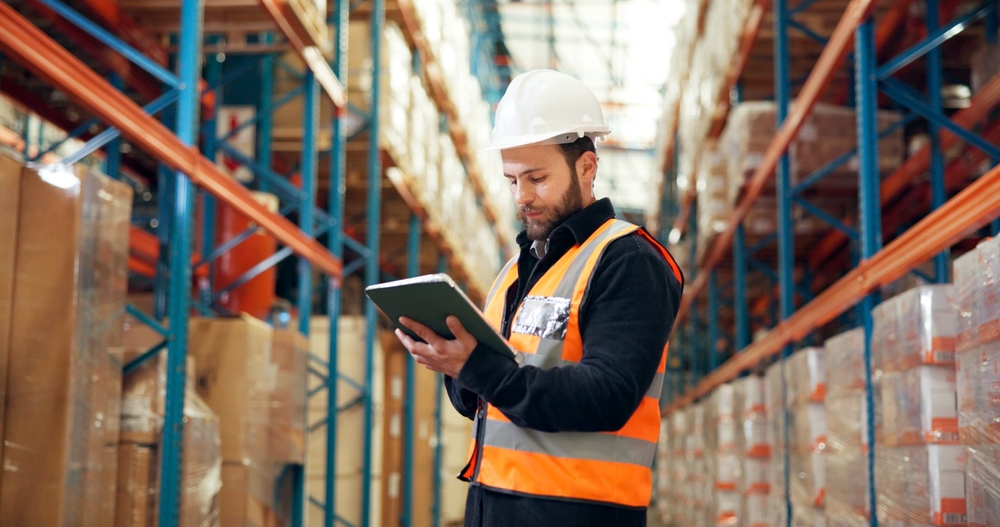
Workforce operations are changing. Technology that was once limited to offices and control rooms is now available on the production floor, in the field, and in other frontline environments. Connected worker technology plays a central role in this shift. It allows workers to stay linked to data, tools, and teams in real time, improving how tasks are completed and how safety is managed.
This article explains what connected worker technology is, how it developed, how it works, and why it is becoming more important in 2026.
Before connected technology, most frontline work relied on paper forms, whiteboards, radios, and verbal communication. Reporting problems or updating task progress often involved delays. Information was recorded after the fact, which made it harder to act quickly when something went wrong.
Supervisors often lacked real-time visibility into what was happening during the shift. Workers had limited access to updated procedures or task lists. Important safety observations or equipment issues were sometimes missed or reported too late to make a difference. This led to gaps in productivity, safety, and compliance.
Connected worker technology refers to digital systems and devices that allow workers in the field to stay connected to software, data, and each other during the course of their work. These technologies include mobile apps, tablets, wearable sensors, digital forms, cloud platforms, and communication tools.
The purpose of this technology is to give workers access to real-time information and to make it easier to report data from the field. It also allows supervisors and support teams to monitor tasks and respond faster when problems arise.
In most cases, connected worker technology is used to manage tasks, capture data, report safety observations, follow standard procedures, and support communication between shifts or teams.
Smartphones, tablets, and wearable devices play a major part in connected worker technology. These tools allow workers to input data, receive updates, and follow digital workflows without needing to return to a central location or wait for verbal instructions.
Wearable sensors can also track physical conditions such as temperature, movement, or location. This can help monitor worker health and safety during high-risk tasks. For example, if a worker enters a restricted area or shows signs of heat stress, the system can alert a supervisor in real time.
Mobile devices are commonly used for accessing checklists, scanning equipment tags, submitting forms, and receiving task assignments. These functions help reduce paperwork and improve the accuracy of field data.
Connected worker platforms combine software, devices, and cloud systems into one operational environment. These platforms are designed to collect information from the field and deliver it to the right people without delay. They also allow teams to organize work instructions, safety protocols, and reporting processes in a digital format.
For example, when a worker completes a task, they can mark it as done using a mobile device. If they encounter a problem, they can take a photo, submit a note, or record a safety observation directly through the system. That information is stored and made available to supervisors, maintenance teams, or safety leads immediately.
Some platforms also allow for scheduling, training delivery, and audit tracking. They help ensure that procedures are followed correctly and that issues are documented and resolved.
The use of connected worker technology is expanding because the nature of frontline work is changing. In 2026, organizations face stricter compliance requirements, more complex equipment, and growing pressure to improve safety and productivity without adding risk.
Connected worker technology supports these needs by improving how work is organized, tracked, and completed. It helps reduce response times when problems happen, improves the quality of data collected from the field, and ensures that teams are working with accurate, up-to-date information.
It also supports shift handovers, which are often a point where important information is lost. With a connected system in place, teams can see what was done during the previous shift, what issues were reported, and what still needs attention.
One of the most valuable aspects of connected worker technology is access to real-time data. When a safety issue is reported immediately, it can be addressed before it leads to a larger problem. When tasks are completed or delayed, supervisors can adjust priorities based on current conditions, not yesterday’s reports.
This real-time visibility helps improve decision-making and reduces guesswork. It also allows for better planning, especially in operations where timing, compliance, and coordination are critical.
Communication is another important benefit. Teams can share updates, alert others to changes, and respond to instructions without needing to meet in person or use radios. This reduces downtime and improves coordination between departments or remote sites.
Connected worker technology is used in a range of industries including manufacturing, energy, construction, logistics, and pharmaceuticals. In each case, the technology supports a specific set of needs.
In manufacturing, workers use digital tools to follow standard operating procedures, complete quality checks, and report equipment issues. In construction, mobile devices help track job progress and site conditions. In energy and utilities, connected platforms support asset inspections, permit processes, and environmental monitoring.
In all cases, the core goal is the same: to give workers access to the tools and information they need to do their jobs safely and correctly.
Safety is a major area where connected worker technology has a direct impact. When hazards are identified and reported quickly, there is a better chance of preventing incidents. The technology also supports digital safety checklists, training confirmations, and audit trails, all of which are useful during compliance reviews.
Instead of relying on paper forms or memory, safety teams have access to clear records of what happened, when it happened, and what was done about it. This makes it easier to investigate issues, identify trends, and take corrective actions.
Some systems can also send alerts when a worker enters a high-risk zone, skips a step in a procedure, or fails to acknowledge a safety message. These functions help prevent incidents before they happen.
As more organizations adopt connected worker technology, they need to plan for integration, scalability, and user adoption. The technology works best when it fits into existing processes and supports the way people already work. It should not add extra steps or require complex training.
Successful implementations often start with a specific use case, such as digitizing safety observations or replacing paper checklists. Over time, the system can be expanded to support more functions across more teams or sites.
By 2026, more platforms will offer better integration with other systems, such as maintenance management, quality control, and training records. This creates a single source of truth for operational data and improves coordination across departments.
Connected worker technology is no longer limited to pilot programs or isolated teams. It is becoming a central part of how operations are managed across industries. The ability to capture data in real time, follow structured digital workflows, and communicate instantly with teams makes it a practical tool for improving safety, productivity, and compliance.
As workplace demands continue to grow, the need for accurate, timely information from the field will only increase. Connected worker technology helps meet that need by giving frontline teams the tools to perform better and respond faster, using reliable systems that adapt to the way work is actually done.
Connected worker technology only delivers results when it fits real operational needs. EviView gives frontline teams the tools to report issues, follow procedures, and share shift updates with clarity and consistency.
The platform helps eliminate paper-based delays, improves task execution, and gives supervisors a real-time view of what is happening on the floor. EviView connects people, processes, and data in a way that supports better safety, compliance, and performance without adding complexity.
If you are looking to implement connected worker technology that actually works in your environment, EviView is ready to support you.
Request a demo today and see how EviView strengthens your connected workforce.
Written By: Karol Dabrowski
Share:
