
Selecting the right shop floor management system is one of the most impactful decisions a manufacturing operation can make. It influences everything from real-time visibility and resource allocation to productivity, quality assurance, and response time to disruptions. A well-chosen system enables full control over shop floor activities and acts as the connective tissue between planning and execution.
But not every system fits every operation. The process of identifying the right solution requires careful evaluation of current needs, existing pain points, and future goals. Many implementations fail not because the software is flawed, but because the selection process was rushed or the system chosen lacked alignment with shop floor realities.
This article walks through the journey of selecting a shop floor management system, in the order most organizations follow it. From identifying core challenges to evaluating vendors and preparing for deployment, each stage presents key criteria that should be considered to avoid missteps and maximize the long-term value of the solution.
Before any evaluation can begin, the first step is a thorough review of the existing shop floor operations. This includes an honest look at what is working, what is not, and what is entirely missing. Common challenges often include a lack of real-time visibility, fragmented communication between shifts, overreliance on spreadsheets or paper-based tracking, and inconsistent production performance metrics.
Some environments also struggle with bottlenecks that are not easily traced back to a single cause due to poor data granularity. Operators and supervisors may rely on informal updates or siloed systems that prevent timely interventions. If shift reports are not consistent or information from one department does not flow smoothly into the next, it becomes impossible to act on problems quickly or understand root causes.
Clarifying these challenges early allows the evaluation process to focus on systems that address real needs rather than getting distracted by features that offer little value to day-to-day operations. This foundation also helps build internal alignment before discussions with vendors begin.
Once the pain points are clearly understood, the next phase is translating them into specific functional requirements. This step moves the process from problem identification to solution design. For example, if the current operation lacks shift visibility, the requirement may be the ability to capture and share real-time production status across teams and locations.
If inconsistent shift handovers are a problem, the requirement might focus on structured communication tools that document operational status, open tasks, and unresolved issues in a standardized way. If production delays are common due to unplanned equipment downtime, then the system should support live downtime tracking, with contextual notes and escalation workflows.
Rather than listing every available feature, the goal is to define the must-have capabilities tied to the challenges observed earlier. This approach prevents scope creep during vendor demos and ensures the focus remains on business impact rather than software complexity.
No shop floor management system operates in isolation. It must fit into an existing ecosystem that may include ERP software, maintenance platforms, quality systems, or MES solutions. Choosing a platform that integrates well with what is already in place is essential for ensuring that data flows efficiently across systems and that teams avoid duplicate data entry.
This step involves mapping current systems and understanding how they interact with shop floor activities. Some facilities may already capture production data manually and feed it into their ERP at the end of each shift. Others may use an older MES that lacks real-time visibility. In both cases, the new system must either replace or complement the current infrastructure without introducing friction.
The ability to exchange data through APIs or secure file transfers is one thing to confirm early in the evaluation process. Without integration, even the best shop floor tools risk becoming isolated, limiting their impact and reducing adoption across departments.
One of the key benefits of a modern shop floor management system is real-time insight into production events. This includes tracking machine status, operator input, production volumes, downtime events, and shift logs as they happen.
During this stage, it is critical to evaluate how the system captures data, whether through manual entry, automated sensors, or a combination of both. Manual inputs are still common on many shop floors, especially for tasks like shift notes, quality observations, or escalation logs. However, systems that can integrate with machine data or IoT devices offer a significant advantage in reducing delay and error.
The goal is to ensure that decision-makers and floor supervisors always have an accurate picture of what is happening right now, not what happened hours ago. Without real-time data, operations are forced to make decisions based on outdated or incomplete information, reducing responsiveness and increasing the risk of avoidable disruptions.
Even the most powerful system fails if it is not user-friendly. During vendor evaluations, it is important to assess how the system will be used across different roles, from machine operators and line supervisors to production managers and quality teams. Each role requires a different level of interaction and visibility, and the system must accommodate those needs without creating friction.
For example, if an operator needs to log shift comments or downtime events, the interface should be simple and fast enough not to interfere with their primary responsibilities. On the other hand, managers may need dashboard-level views with drill-down capabilities to identify trends and take corrective action.
Accessibility also includes support for mobile devices or tablets, which are increasingly used on the shop floor. A system that works equally well on desktops and mobile devices allows users to stay connected whether they are in the control room, on the line, or off-site.
Ease of use plays a critical role in adoption. Systems that require long onboarding periods or rely on complex navigation are more likely to be bypassed in favor of old habits, reducing the return on investment.
Manufacturing environments are not static. Product lines evolve, capacity changes, and new teams or shifts are added as operations scale. The system selected today must be able to adapt to these future changes without requiring expensive custom development or long lead times.
Configurability means that workflows, terminology, and data fields can be tailored to the specific needs of the operation. Scalability ensures that the system can support more users, lines, or even facilities as the business grows.
Choosing a rigid platform may solve today’s issues but can create future limitations. A better approach is to look for flexible systems that support change without major disruptions. That means having access to administrative tools, user role management, and the ability to update workflows as processes evolve.
Beyond the software itself, the quality of vendor support and the implementation process is a major factor in long-term success. Some systems require months of setup, with heavy involvement from external consultants and ongoing dependency on the vendor for even small changes. Others offer guided configuration and hands-on onboarding that helps internal teams take ownership from the start.
Understanding the implementation timeline, resource requirements, and level of training provided can prevent surprises later. It is also helpful to speak with existing users or request references to validate how the vendor handles challenges and supports their clients post-deployment.
Ongoing support models should also be clarified. This includes understanding whether support is available during your working hours, how issues are logged and resolved, and what service levels are included with the license. Strong vendor support can make the difference between a successful rollout and a stalled project.
Finally, even the best system will not succeed without a structured approach to adoption. Change management begins well before deployment and involves communicating the benefits of the new system, training users effectively, and addressing resistance early.
Operations teams need to understand why the system is being introduced and how it improves their day-to-day work. Providing clear answers and involving key users in early stages of the evaluation builds ownership and reduces resistance.
A phased rollout is often more effective than a full cutover. Starting with a single line, shift, or department allows the team to validate the system in real conditions, gather feedback, and refine processes before expanding more broadly.
Choosing the right shop floor management system is not just about technology. It is about improving how work gets done on the floor, how decisions are made, and how operations stay aligned across teams and shifts.
The process begins by identifying real operational challenges and continues through careful vendor evaluation, integration planning, and user training. Each step must be rooted in the specific context of your shop floor, with a clear vision of what success looks like.
With the right system in place, teams gain the visibility, structure, and responsiveness needed to operate efficiently and adapt quickly in a fast-changing manufacturing environment.
If you are evaluating shop floor management systems and looking for one that brings clarity, structure, and real-time visibility to your operations, EviView offers a proven solution. Built with manufacturing realities in mind, EviView replaces scattered updates and manual reporting with a centralized, digital workflow that keeps teams aligned and informed throughout every shift.
From live production tracking and shift handover visibility to simplified approvals and data-backed decision making, EviView helps you take control of your shop floor without adding complexity.
Ready to see how it works in your environment?
Request a demo and explore how EviView can simplify daily operations and improve how your team runs the floor.
Written By: Karol Dabrowski
Share:
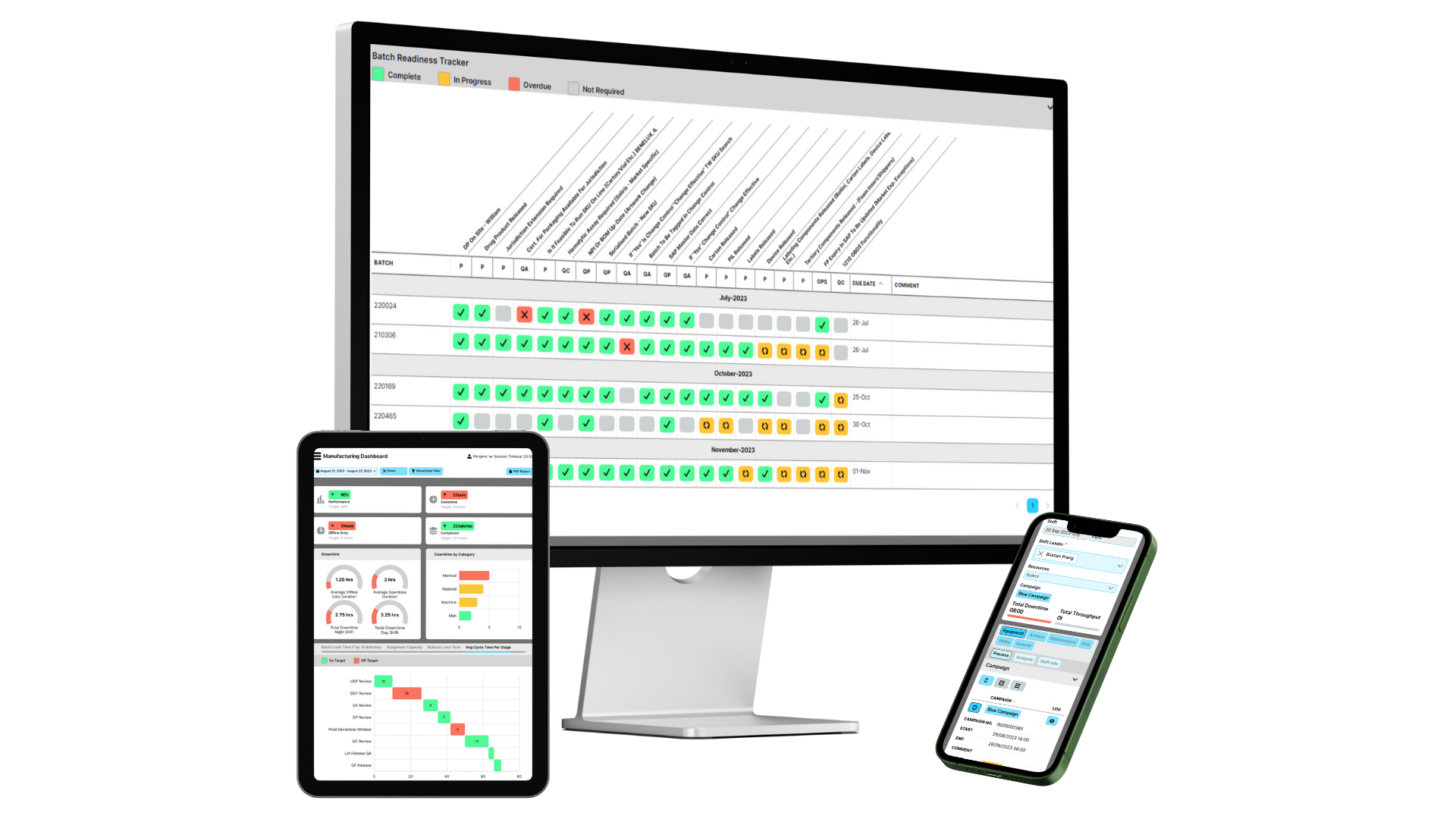
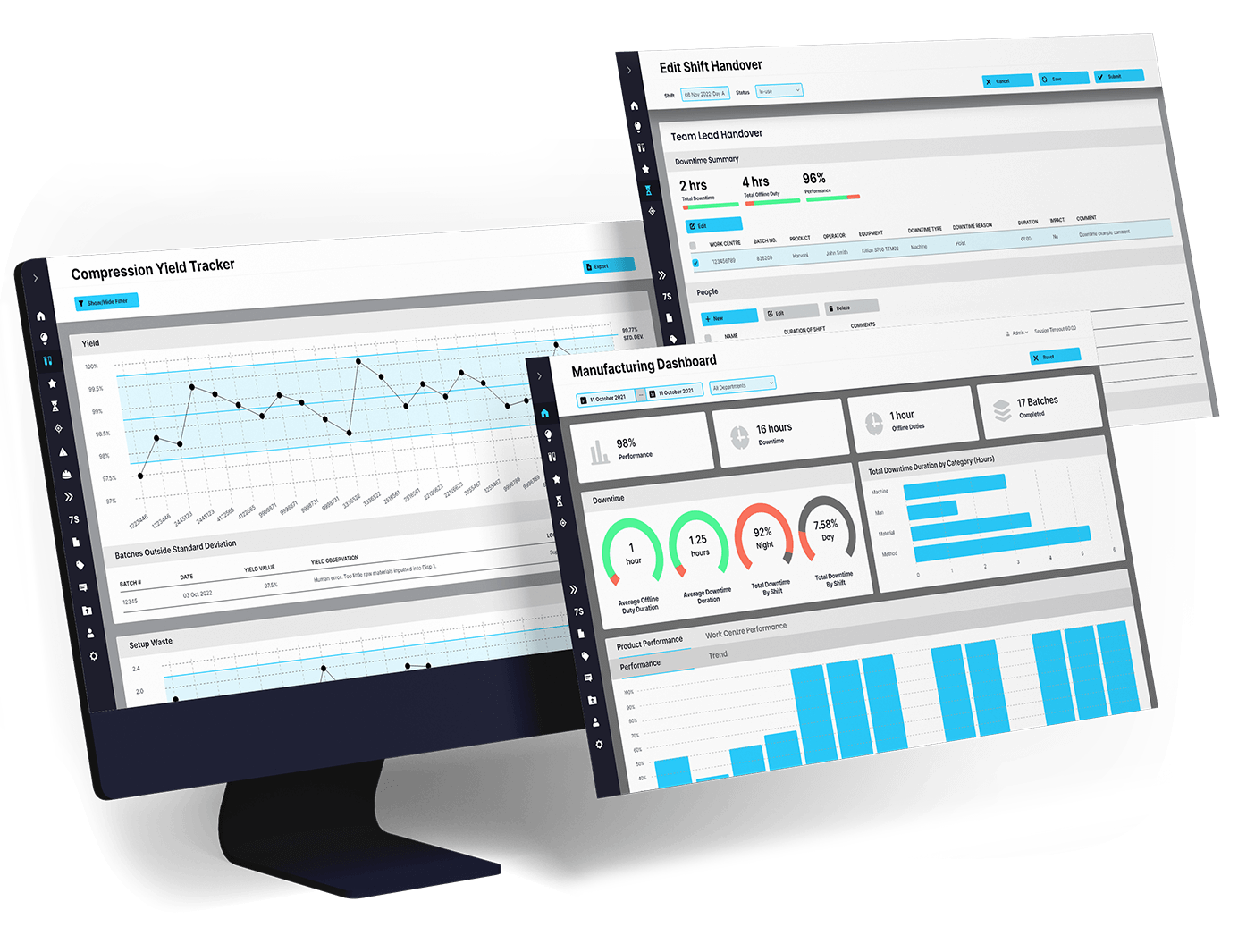
From missed updates to unclear priorities, poor handovers stall execution. EviView’s Shift Handover solution strengthens shop floor management with real-time data, structured shift reviews, and shared visibility—so nothing falls through the cracks.
Request a DemoShift changes are often where clarity breaks down. EviView’s shift handover solution keeps your teams aligned by standardizing transitions, surfacing critical updates, and maintaining operational momentum across every shift.
Log shift notes and events in real time
Share key updates across roles and functions
Flag unresolved tasks for next-shift follow-up
Standardize shift changeovers with digital continuity
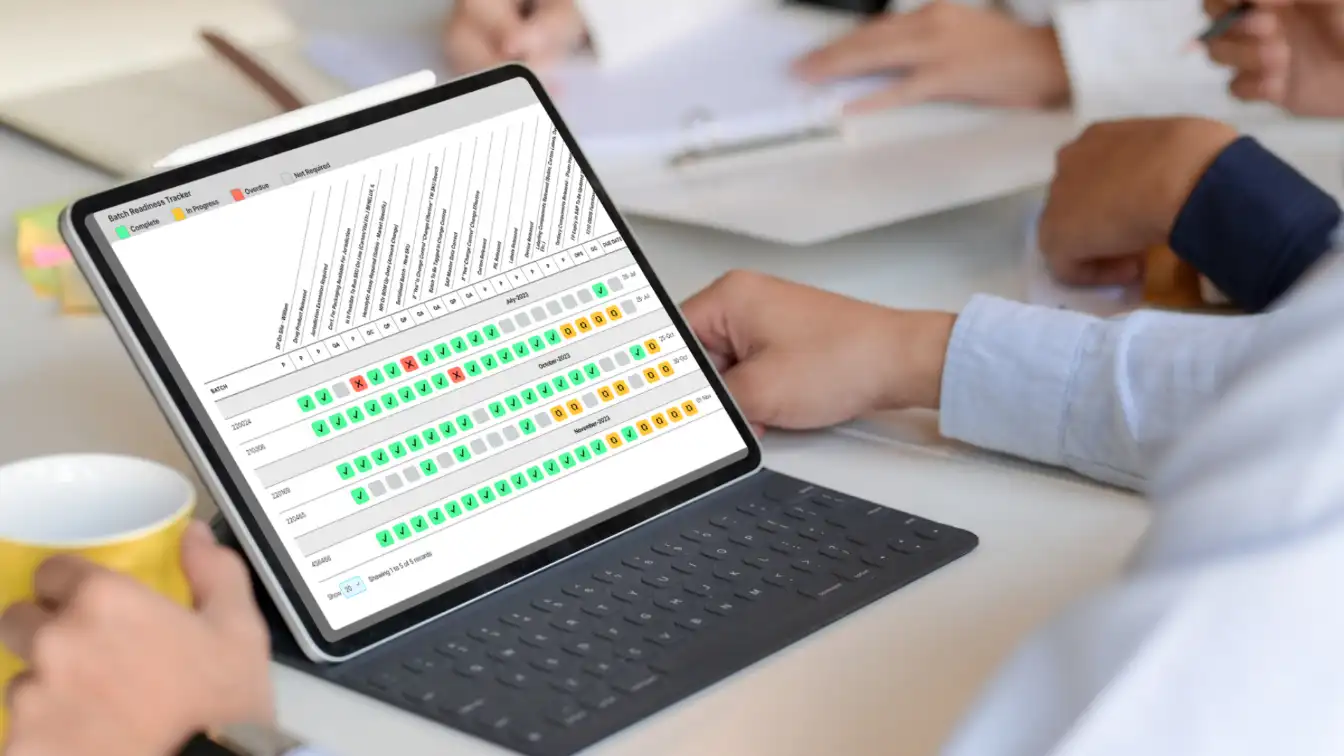

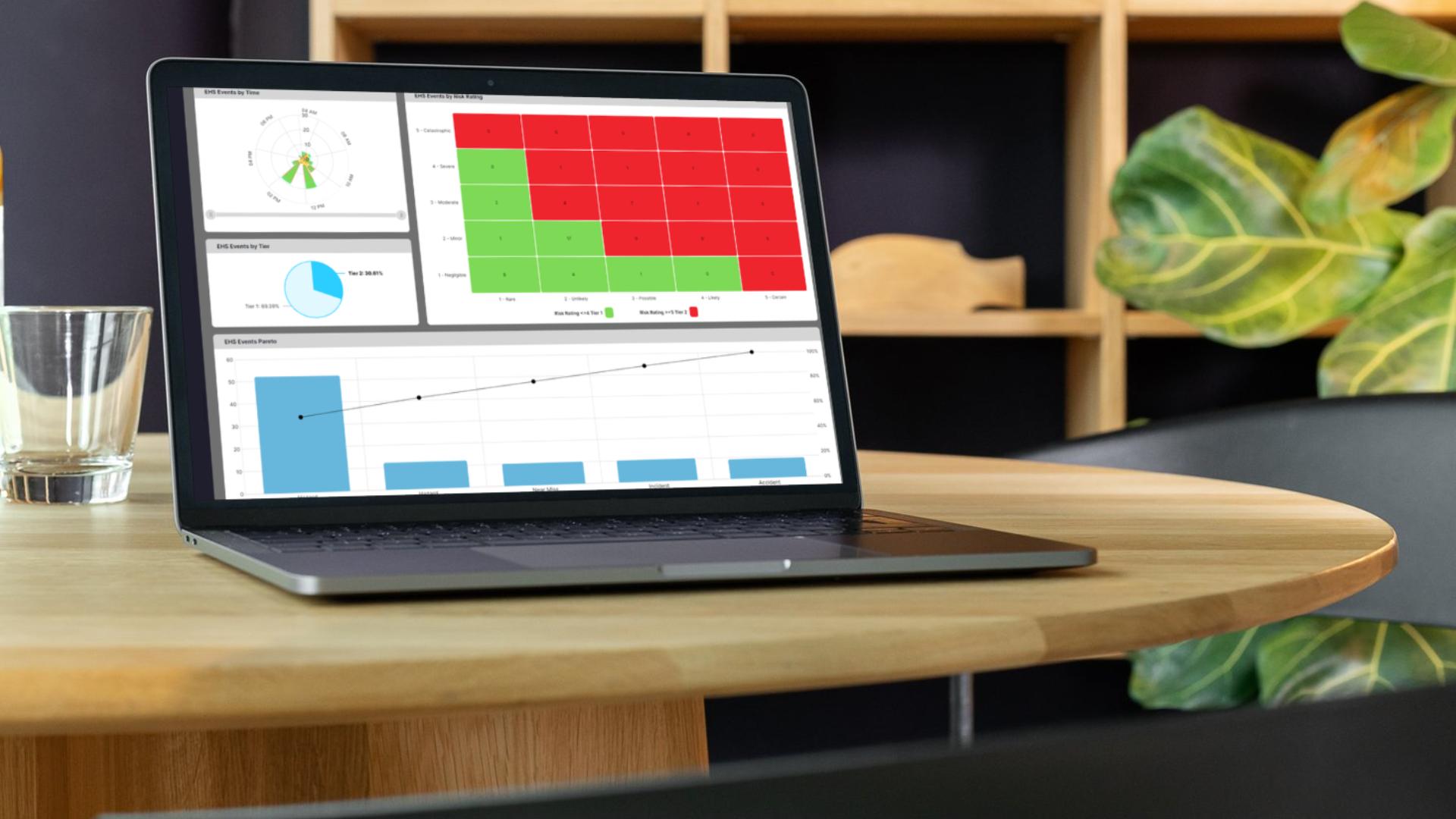
Upgrading shop floor management shouldn’t require replacing your existing systems. EviView’s Shift Handover feature integrates with the MES, QMS, and ERP tools already in use on your plant floor. It supports your existing reporting processes while giving teams real-time visibility and structure across shifts.
By aligning handover data with your production systems, EviView makes shop floor updates easier to track, review, and act on. There’s no extra effort—just more connected decisions and consistent execution at every level.
Request a Demo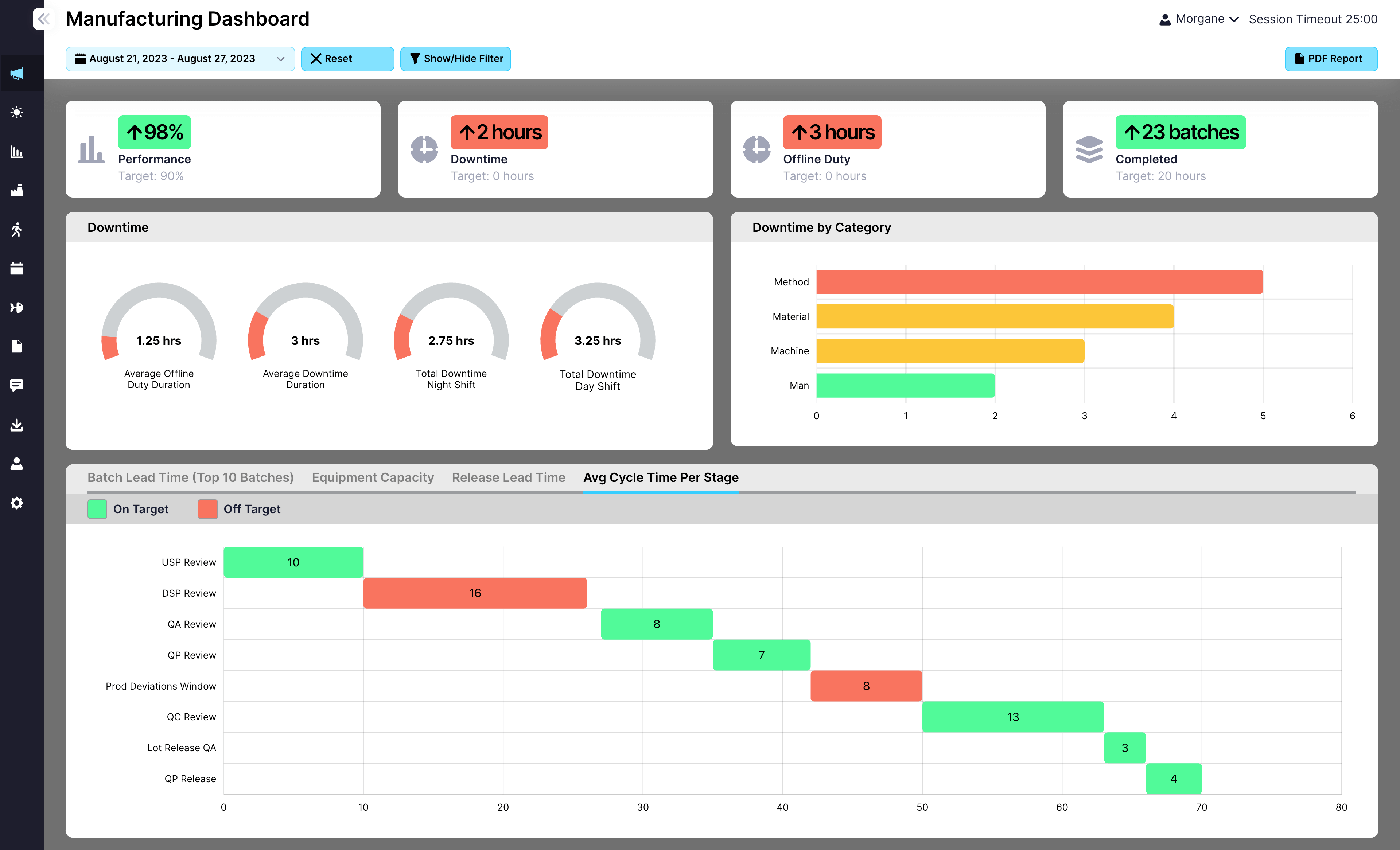
From shift supervisors to operations leaders, teams across manufacturing rely on EviView to bring structure and clarity to the shop floor. With real-time updates, documented handovers, and shared visibility, they’re solving problems faster and keeping production on track.
Here’s how EviView is transforming shop floor management—directly from the people using it every day.

EviView’s Digital Daily Management System has been transformative for Merck. By streamlining shift handovers, centralizing data, and integrating with SAP and Palantir Data Lake, we’ve reduced downtime by 30% and saved €66,000 annually. The system has boosted visibility, improved communication, and increased safety incident reporting by 300%, fostering a culture of continuous improvement and positioning us for long-term success.

Pharmaceutical Company, US
Head of Digitalisation and Strategy
I worked with EviView on an electronic handover project. Their team was very knowledgeable, took time to ensure all stakeholders were kept up to date with the progress of the project, and was always available to give advice on system usage during implementation.
Bio-Pharma Company, US
Manufacturing Team Lead
Karol's team delivered a highly successful change management and digital transformation project. His structured approach, detailed analysis, and process-driven methodology have been invaluable on every project. EviView's understanding of business, IT, operations, and budgetary needs is unmatched.
Top 5 Pharma Manufacturer, EU
Senior Manager of Engineering & Maintenance
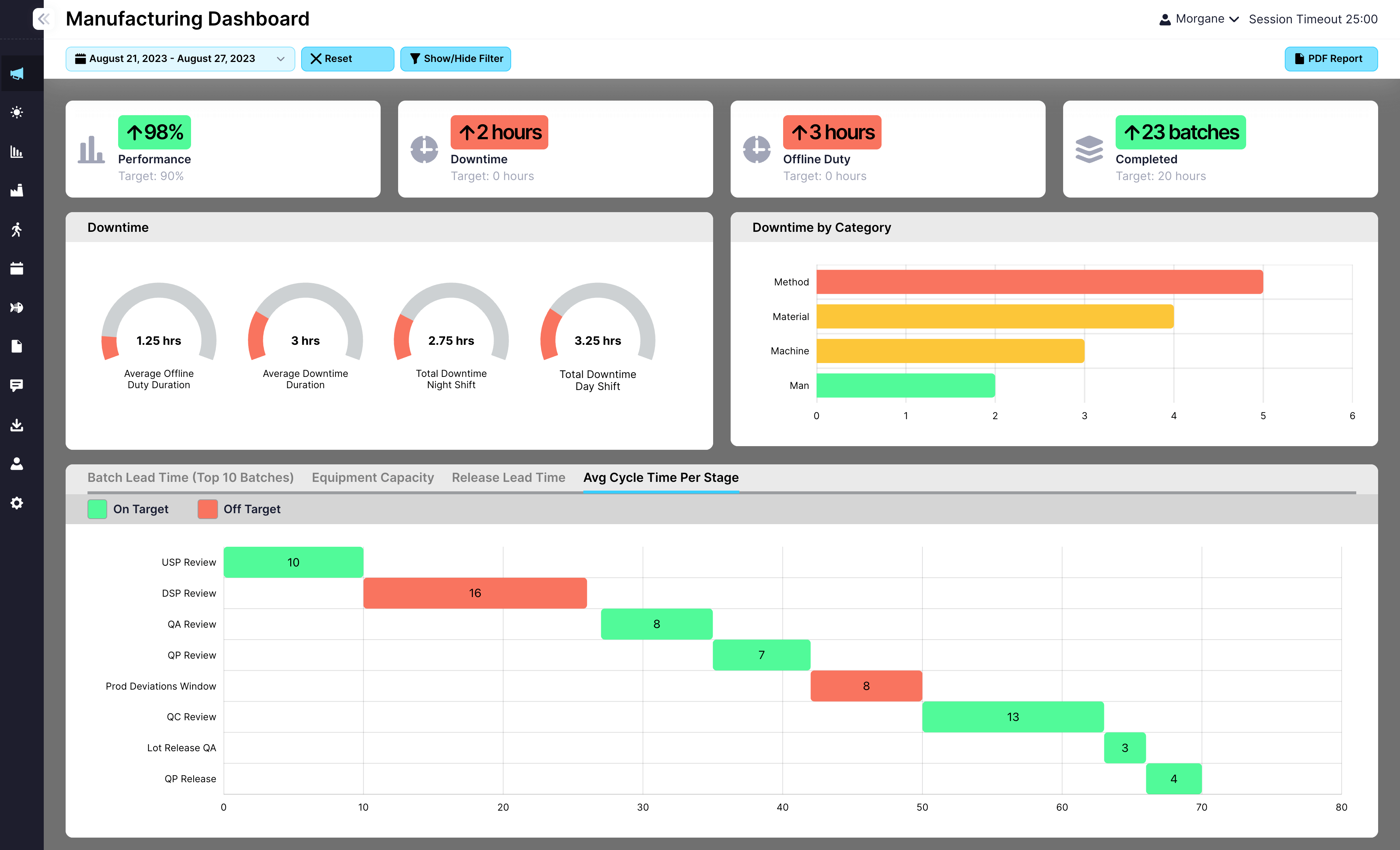
Shift Handover in EviView captures more than notes, it feeds your dashboards with real-time updates from the floor. Missed tasks, flagged issues, and open actions are visible instantly, helping teams spot problems early and stay aligned across shifts.
Written By: Fatema Ujjainwala
Share:
