
Breaking Down Silos in Manufacturing: How Tier Boards Help

Manufacturing plants operate in fast-paced, high-pressure environments. Yet, many struggle with a fundamental issue that affects efficiency, safety, and performance—silos. Poor communication between departments, fragmented data, and a lack of real-time visibility create delays, errors, and inefficiencies that cost time and money. For site leaders, department managers, and shop floor teams, breaking down silos in manufacturing isn’t just about improving communication—it’s about eliminating inefficiencies that lead to costly downtime, production bottlenecks, and missed improvement opportunities. Tier Boards provide a structured, real-time communication framework that ensures issues are escalated correctly, decisions are based on accurate data, and teams stay aligned on priorities. The Problem: How Silos Disrupt Manufacturing Operations Silos in manufacturing happen when different departments—production, maintenance, quality control, and operations—work independently instead of as a unified system. Each function has its own goals and priorities, but without a structured way to communicate, information gets lost, leading to slow response times and inefficiencies. A common example is maintenance delays. If operators notice a recurring machine issue but don’t have a reliable way to escalate it, it may not reach maintenance until a complete failure occurs. By that point, unplanned downtime is unavoidable, disrupting production schedules. Similarly, quality control teams often work in isolation, only identifying defects late in the process rather than catching them early when adjustments can be made. The issue extends beyond daily operations. When shop floor teams and executives operate with different sets of data, decision-making becomes reactive rather than strategic. Leadership might set performance targets without real-time insights into bottlenecks on the production floor. The result is misalignment between high-level goals and on-the-ground realities. These breakdowns are not just operational nuisances—they directly impact revenue, efficiency, and overall competitiveness. The Solution: How Tier Boards Improve Communication and Efficiency Tier Boards are not just visual tools—they are a structured, tiered communication system that ensures issues are addressed at the right level, at the right time. They create a clear escalation pathway from the shop floor to site leadership, making meetings more effective and reducing the risk of miscommunication. Real-Time Visibility Across All Departments Siloed data slows down manufacturing operations. When maintenance logs equipment issues separately, quality control tracks defects in isolation, and production teams focus solely on throughput, crucial insights get lost. This disconnect delays decision-making, increases downtime, and reduces overall efficiency. Tier Boards eliminate these blind spots by centralizing real-time production data—from KPIs and maintenance schedules to safety concerns and ongoing issues. Instead of waiting for manually compiled reports, teams get instant access to live data, allowing them to react faster, prevent delays, and make proactive decisions before minor issues turn into major bottlenecks. Faster Decision-Making and Problem Resolution In siloed environments, problems either stay unresolved at the shop floor or are escalated too late. A structured escalation process is critical to avoid delays in addressing issues that could lead to downtime or lost production. Tier Boards define a structured meeting process: Tier 1 (Shift-Level Meetings): Frontline teams discuss immediate production concerns, including safety issues, machine performance, and quality trends. Tier 2 (Department-Level Meetings): Unresolved Tier 1 issues are escalated, and cross-functional teams collaborate on solutions. Tier 3 (Site Leadership Meetings): High-impact or recurring issues move to Tier 3, where decisions are made at the executive level. This structure ensures teams don’t waste time discussing problems they cannot solve at their level. Issues get addressed efficiently, and managers have full context when making decisions. Standardized Communication and Accountability Many manufacturing sites still rely on emails, spreadsheets, and manual logs to track production issues, leading to inconsistent reporting. Information is often delayed, incomplete, or lost, making it difficult to track accountability and follow up on unresolved problems. Tier Boards eliminate this inconsistency by providing a single, standardized reporting method. With all teams following the same process, data is updated in real time, and each issue has a clear owner and resolution deadline. Bridging the Gap Between Shop Floor and Leadership One of the biggest challenges in manufacturing is the disconnect between executives making strategic decisions and operators managing daily production. When leadership sets performance targets without a clear view of on-the-ground challenges, unrealistic expectations can lead to frustration and disengagement among frontline teams. Tier Boards close this gap by ensuring real-time production insights reach leadership without unnecessary delays. Instead of relying solely on reports compiled at the end of a shift or week, executives have immediate access to data that reflects the actual conditions on the plant floor. Making Tier Boards a Manufacturing Standard For Tier Boards to work effectively, they need to be more than a tool—they must be part of the operational culture. Implementation requires clear meeting structures, leadership buy-in, and digital integration to ensure seamless communication. Three key steps for success: Digitize where possible – While physical boards work, digital Tier Boards provide real-time updates and ensure information is always accessible. Train teams on structured escalation – Employees must understand what issues should be escalated and when, ensuring problems are addressed at the correct level. Use data for continuous improvement – Insights from Tier Boards should drive long-term process enhancements, not just short-term fixes. Breaking down silos in manufacturing is not a one-time project—it’s an ongoing commitment to transparency, accountability, and efficiency. Tier Boards provide the structure needed to achieve this, ensuring manufacturing sites operate as unified, high-performing systems rather than disconnected departments. Take Action: Break Down Silos with EviView’s Tier Board Solution Manufacturing thrives on seamless collaboration, but silos between production, maintenance, and quality teams slow everything down. Critical issues get lost in endless emails, delays stack up, and decisions are made without real-time data. EviView’s Tier Boards eliminate these barriers by providing a structured, real-time communication system that connects teams across all levels. Operators can escalate issues instantly, managers gain full visibility into production challenges, and leadership makes informed decisions based on live data—not outdated reports. With automated escalation, centralized KPIs, and a clear meeting structure, EviView ensures that problems are addressed at the right time, by the right people, preventing costly downtime
The Hidden Cost of Poor Shift Handover: How to Fix It

Every manufacturing plant, biotech facility, and pharmaceutical site knows the importance of smooth operational continuity. Yet, when it comes to shift handovers—one of the most routine yet critical processes—many companies find themselves grappling with inefficiencies that disrupt operations, drive up costs, and create safety risks. Shift handover is more than a scheduled exchange of information. It is the moment when accountability is transferred, operational progress is updated, and unresolved issues are addressed. When executed poorly, it can trigger a ripple effect of downtime, safety incidents, and quality concerns that compound over time. The real cost? Much higher than most organizations realize. In this article, we’ll dig into the hidden costs of ineffective shift handovers, explore why traditional methods are failing modern operations, and highlight actionable strategies to address these challenges. The Cost of Poor Shift Handover: A Chain Reaction 1. Downtime and Operational Delays Every missed piece of information in a shift handover can quickly snowball into lost production time. Consider the scenario: the night shift detects a minor issue with a machine but fails to communicate it effectively during handover. The morning team begins operations without awareness of the problem, only to encounter a full equipment breakdown hours later. This kind of scenario is alarmingly common and incredibly costly. Recent studies estimate that industrial manufacturers face losses of approximately $50 billion annually due to this issue.The root cause? Inconsistent communication and incomplete documentation during the shift change process. When handovers are poorly executed, incoming teams are left playing catch-up: Operators spend their first hours clarifying notes or troubleshooting unresolved issues. Maintenance crews aren’t notified of repairs in time, delaying corrective actions. Site leaders lose valuable time piecing together fragmented updates from multiple shifts. For manufacturing facilities with high-value product lines—like pharmaceuticals or biotech—the stakes are even higher. Every moment of downtime doesn’t just result in lost revenue; it disrupts critical supply chains, delays product deliveries, and erodes customer trust. 2. Safety Risks and Compliance Challenges Safety is non-negotiable in industrial settings, yet it is often compromised when shift handovers are mishandled. When safety-critical details—such as equipment hazards, near-misses, or safety incidents—are overlooked or poorly communicated, the consequences can be catastrophic. For example, consider a near-miss involving a forklift that wasn’t logged during the night shift. By the time the next shift takes over, operators are unaware of the hazard, increasing the likelihood of an accident. Beyond the immediate safety risks, such incidents also pose serious compliance challenges in heavily regulated industries like pharmaceuticals or food production. In these industries, maintaining accurate and comprehensive documentation is essential for meeting OSHA, FDA, or ISO standards. Missing or inconsistent records during an audit can result in: Hefty fines and penalties. Operational shutdowns until compliance is restored. Long-term reputational damage that impacts customer confidence. Poor shift handovers leave organizations vulnerable to these risks. Without a clear, consistent process for logging safety concerns, companies cannot ensure workplace safety or regulatory compliance. 3. Quality Failures: When Details Are Missed Manufacturing environments rely on precision and consistency to maintain product quality. But when operational updates are skipped during a shift handover, the potential for quality issues skyrockets. Imagine a biotech facility producing a high-value vaccine. During a handover, a slight deviation in a temperature-controlled process is noted verbally but not recorded. The incoming team misses this critical detail, leading to a batch that fails quality checks. The result? Thousands—or even millions—of dollars lost in rework, scrap, or product recalls. Such scenarios are not hypothetical. Poor shift handovers directly contribute to: Batch inconsistencies and deviations. Increased waste and material loss. Compromised product integrity and customer satisfaction. The financial and reputational costs of these errors are immense, especially in industries where precision and trust are paramount. 4. The Human Cost: Disengaged Teams and Frustrated Leaders Beyond operational and financial consequences, poor shift handovers take a toll on teams. Operators who enter their shifts without a clear understanding of their tasks often feel frustrated and disengaged. Supervisors are left firefighting unresolved issues instead of driving improvements. Site leaders, in turn, spend their time chasing answers instead of focusing on strategy. This creates a culture where efficiency and accountability are sidelined. Over time, it leads to higher turnover rates, lower morale, and strained relationships between shifts. Why Traditional Handover Methods Fail Modern Operations The root of the problem lies in how many organizations approach shift handovers. Traditional methods—such as paper logs, spreadsheets, and verbal updates—might have worked decades ago, but they are no longer sufficient for today’s complex, fast-paced environments. Key Weaknesses of Traditional Methods Inconsistency: Operators document information differently, leaving critical details open to interpretation—or omitted altogether. Lack of Accessibility: Paper-based logs and spreadsheets are static and cannot be accessed in real-time by decision-makers or teams across departments. Error-Prone Processes: Manual data entry increases the risk of human error, leading to incomplete records and missed information. Delayed Escalation: Without automated systems, critical issues often go unaddressed for multiple shifts, compounding their impact. These weaknesses create information silos, misalignment between teams, and a lack of accountability—all of which drive up costs and risks. The Solution: A Digital Shift Handover System The good news? Modern technology offers solutions to these challenges. Digital shift handover systems provide the structure, visibility, and real-time insights needed to transform this critical process. How a Digital Shift Handover System Solves Key Issues Real-Time Communication In industries where every second counts, delays caused by incomplete information can have devastating ripple effects. A digital handover system ensures that critical updates—such as downtime events, safety incidents, or operational priorities—are instantly accessible to all stakeholders. This means the incoming team no longer spends time piecing together fragmented details. Real-time visibility provides both frontline operators and leadership with a shared understanding of what’s happening on the ground, enabling faster, more informed decision-making. Structured and Consistent Reporting Inconsistencies in reporting are often the root cause of miscommunication during handovers. With a digital system, every detail is logged in a standardized format, ensuring clarity and uniformity. By using structured frameworks like SQDIP
Cloud Solutions for Centralized Multi-Site Operations Data

Managing operations across multiple sites comes with unique challenges. From ensuring consistent data collection to fostering collaboration, organizations often struggle with fragmented systems and siloed information. This lack of cohesion can lead to inefficiencies, miscommunication, and delayed decision-making. Cloud solutions have emerged as a powerful tool to address these challenges. By providing a centralized platform for managing multi-site operations, they enable real-time data access, streamline workflows, and enhance coordination. This article explores how cloud technology supports centralized multi-site operations and why it’s essential for businesses aiming to improve efficiency and scalability. The Challenges of Multi-Site Operations Operating multiple sites—whether in manufacturing, retail, or logistics—requires seamless coordination between locations. However, traditional approaches often fall short. Data Silos and Inconsistent Reporting Each site may use its own system for tracking operations, leading to inconsistent data formats and reporting practices. This fragmentation makes it difficult for headquarters to get a clear picture of overall performance. Example: A manufacturing company with plants in different regions might struggle to consolidate production data, delaying insights into operational efficiency. Limited Visibility and Communication Without a centralized system, communication between sites is often slow and prone to errors. Teams may rely on manual updates or static reports, which don’t provide the real-time visibility needed for quick decision-making. High IT Maintenance Costs Managing separate on-premise systems for each site increases IT overhead. This approach requires frequent updates, backups, and hardware maintenance, diverting resources from more strategic initiatives. How Cloud Solutions Revolutionize Multi-Site Operations Cloud technology addresses these challenges by centralizing data and processes across all locations. Here’s how it transforms multi-site operations: 1. Real-Time Data Access and Analytics With cloud solutions, all sites feed their data into a centralized platform. This provides real-time visibility into operations, allowing teams to monitor performance, track key metrics, and respond to issues quickly. Benefit: Decision-makers no longer have to wait for end-of-day reports or sift through inconsistent data. They can access real-time dashboards, gaining instant insights into every site’s performance. Scenario: A logistics company uses cloud-based analytics to track delivery times and vehicle efficiency across multiple hubs. This enables them to identify delays and optimize routes in real time. 2. Enhanced Collaboration and Communication Cloud platforms offer integrated communication tools, such as chat, video conferencing, and shared dashboards. These features facilitate collaboration between teams at different locations, ensuring everyone stays aligned. Example: In a retail chain, store managers can use cloud-based collaboration tools to share sales trends and inventory updates with headquarters, enabling faster restocking decisions. 3. Scalable and Cost-Effective IT Infrastructure Unlike traditional on-premise systems, cloud solutions require minimal hardware and maintenance. Organizations can scale their operations easily, adding new sites without significant IT investment. Benefit: This reduces IT costs while ensuring all sites have access to the same advanced tools and capabilities. 4. Improved Data Security and Compliance Cloud providers offer robust security features, including data encryption, regular backups, and compliance with industry regulations. This ensures that sensitive data is protected, even across multiple locations. Scenario: A pharmaceutical company uses a cloud platform to manage production data from various plants. The system ensures compliance with FDA regulations by maintaining secure and auditable records. Key Benefits of Centralized Multi-Site Operations Consistency Across Locations Standardizing processes and data formats through a centralized cloud platform ensures consistency across all sites. This leads to more reliable reporting and better decision-making. Result: Organizations can implement best practices uniformly, improving overall performance. Faster Decision-Making Real-time data access enables quicker identification of trends, bottlenecks, and opportunities. Leaders can make informed decisions without waiting for consolidated reports. Benefit: This agility helps businesses stay competitive and responsive to market changes. Reduced Operational Costs By consolidating IT systems into a single cloud platform, companies reduce the need for redundant hardware and maintenance. They can allocate resources more efficiently, focusing on core business goals. Real-World Applications of Cloud Solutions Case Study 1: Manufacturing Efficiency A global manufacturing company faced challenges with data consolidation across its plants. Each site used a different system, making it difficult to track production metrics consistently. After adopting a cloud-based platform, the company gained real-time visibility into all plants’ performance, reducing production delays by 20%. Case Study 2: Retail Chain Expansion A growing retail chain needed a scalable system to manage its operations as it opened new stores. By switching to a cloud solution, the company streamlined inventory management, enabling faster restocking and improved customer satisfaction. Best Practices for Implementing Cloud Solutions Start with a Needs Assessment Identify the specific challenges your organization faces in managing multi-site operations. This will help you select the right cloud platform with features tailored to your needs. Choose a Scalable Solution Ensure the cloud platform you choose can grow with your business. Look for features like real-time analytics, automation, and easy integration with existing tools. Train Your Teams Successful implementation depends on user adoption. Provide training to ensure employees understand how to use the new platform effectively. Encourage feedback to address any concerns early. Monitor and Optimize Continuously monitor the platform’s performance and gather feedback from users. Use these insights to optimize workflows and take full advantage of the cloud’s capabilities. The Future of Centralized Multi-Site Operations As technology evolves, cloud solutions will continue to play a vital role in streamlining multi-site operations. Emerging technologies such as artificial intelligence and machine learning will further enhance data analysis, enabling predictive insights and automation. Organizations that embrace these innovations will be well-positioned to navigate the complexities of multi-site operations, driving efficiency and maintaining a competitive edge in their industries. Conclusion Cloud solutions are revolutionizing centralized multi-site operations, providing the tools needed to manage data, streamline processes, and foster collaboration across multiple locations. By adopting these technologies, businesses can overcome the challenges of fragmented systems, reduce costs, and improve decision-making. For companies seeking to enhance their multi-site operations, the cloud offers a scalable, secure, and efficient solution that supports long-term growth and success.
Achieving Safety in Pharma with EHS Software

In pharmaceutical manufacturing, safety is a non-negotiable priority. From handling hazardous chemicals to maintaining high production standards, ensuring the safety of workers, processes, and products is critical. Beyond worker protection, a single safety lapse can compromise product quality, result in costly recalls, and lead to regulatory penalties. Managing safety in this high-stakes environment is no small feat. That’s where pharma EHS software safety solutions come in. Environmental, Health, and Safety (EHS) software is designed to streamline compliance, reduce risks, and help organizations maintain a safe and efficient workplace. Let’s dive into how EHS software is revolutionizing safety in the pharmaceutical sector. Why Safety is Vital in Pharmaceutical Manufacturing Safety in the pharmaceutical industry is about much more than avoiding accidents. It encompasses everything from protecting employees and safeguarding products to staying compliant with stringent regulations. Each of these areas plays a crucial role in ensuring that operations run smoothly and that the company maintains its reputation. Protecting Workers Pharmaceutical manufacturing involves handling dangerous substances, operating high-risk machinery, and working in fast-paced environments. Without proper safeguards, workers face risks ranging from chemical exposure to physical injuries. Ensuring their safety is critical to sustaining operations and fostering a culture of care and responsibility. Maintaining Product Integrity Safety and product quality are intrinsically linked. A safety failure—such as contamination or equipment malfunction—can compromise an entire batch of medication. This not only leads to financial losses but also endangers patients and erodes trust in the company. Staying Ahead of Regulatory Requirements Compliance with regulations from agencies like the FDA, EMA, and OSHA is essential. Falling short can lead to costly fines, production shutdowns, and reputational damage. Pharma EHS software helps companies stay on top of these requirements by automating compliance tracking and simplifying documentation processes. How EHS Software Enhances Pharma Safety While maintaining safety is essential, doing so manually can be time-consuming and prone to human error. EHS software provides a comprehensive solution, offering tools that automate processes, enhance visibility, and empower teams to act swiftly and decisively when issues arise. Here’s how it works: 1. Simplifying Compliance Management Pharma manufacturing is subject to an extensive array of safety regulations, and keeping up with them manually can be overwhelming. EHS software automates the compliance process, ensuring that nothing slips through the cracks. How It Works: The software centralizes all compliance-related tasks, such as safety audits, equipment inspections, and training certifications. Automated reminders ensure timely completion of these tasks, while dashboards provide real-time visibility into compliance status. Why It Matters: By automating compliance, EHS software reduces the administrative burden, ensuring that companies meet regulatory requirements efficiently. 2. Incident Reporting and Investigation When an incident occurs, a swift and thorough response is essential to prevent recurrence. EHS software simplifies incident reporting and facilitates detailed investigations. Example: A chemical spill is immediately logged in the system, triggering an investigation workflow. The software guides teams through root cause analysis, helping them identify and address underlying issues. Benefit: Faster response times, improved documentation, and actionable insights that prevent similar incidents in the future. 3. Proactive Risk Management In pharma, being reactive isn’t enough. Proactively identifying and mitigating risks is crucial to maintaining a safe environment. EHS software provides tools to assess and manage risks in real time. Features Include: Hazard identification and risk assessments. Customizable risk scoring to prioritize high-risk areas. Dashboards displaying risk trends across the organization. By addressing potential hazards before they escalate, EHS software helps companies maintain process stability and prevent costly disruptions. 4. Enhancing Workforce Training and Awareness Even with the best systems in place, safety ultimately depends on the people on the ground. EHS software ensures that all employees are properly trained and aware of the latest safety protocols. How It Works: The platform manages training schedules, offers digital learning modules, and tracks employee certifications. Automated reminders help keep everyone up to date. Result: A more knowledgeable workforce that’s better equipped to handle risks, reducing the likelihood of human error. The Benefits of Implementing Pharma EHS Software When EHS software becomes part of a pharmaceutical company’s safety strategy, the results speak for themselves. From creating safer work environments to streamlining processes, the benefits extend across the entire organization. Safer Workplaces By streamlining safety processes and providing real-time insights, EHS software creates safer environments for workers. This not only reduces incidents but also boosts morale and productivity. Cost Efficiency Safety incidents come with hefty price tags—from direct costs like repairs and medical bills to indirect costs like downtime and regulatory fines. EHS software minimizes these expenses by preventing incidents and improving compliance readiness. Example: A pharmaceutical company using EHS software reduced safety-related downtime by 30%, leading to significant cost savings and increased production capacity. Centralized Safety Management For companies with multiple facilities, maintaining consistent safety standards can be challenging. EHS software centralizes all safety data, ensuring uniform compliance and providing managers with a clear overview of performance across all locations. Data-Driven Decision-Making With comprehensive reporting and analytics, EHS software empowers managers to make informed decisions. By analyzing trends in safety incidents and compliance metrics, companies can prioritize areas for improvement and allocate resources effectively. Real-World Applications of EHS Software The effectiveness of EHS software isn’t just theoretical. It has proven its value in real-world scenarios, helping companies improve safety and compliance across the board. Case Study 1: Global Pharmaceutical Manufacturer A global pharma company struggled with inconsistent safety reporting across its facilities. Implementing EHS software allowed them to standardize incident reporting and compliance tracking. Results: 25% reduction in workplace incidents within the first year. Improved audit outcomes and reduced preparation time for inspections. Case Study 2: Mid-Sized Pharma Company A mid-sized pharmaceutical firm frequently faced compliance penalties due to incomplete documentation and missed deadlines. After adopting EHS software, they automated compliance monitoring and streamlined safety documentation. Outcome: Zero compliance violations in the following year. 30% reduction in administrative workload, freeing up resources for proactive safety initiatives. Steps to Implement EHS Software The journey to enhanced safety begins with implementing the right tools. Here’s how
Cloud vs On-Premise: Pros and Cons for Modern Manufacturing Operations

The technology you choose for your manufacturing business is critical. It’s not just about keeping systems running—it affects communication, adaptability, and long-term costs. Many companies face a big decision: cloud or on-premise systems? Each has clear benefits, and your choice will depend on your business priorities like flexibility, control, and budget. Let’s take a closer look at both options to help you decide which one fits your needs best. Why Many Businesses Are Moving to the Cloud Cloud systems have changed how businesses operate. They make it possible to access data and tools from anywhere, which is especially helpful for companies with multiple sites or remote teams. The cloud also simplifies how businesses handle IT, making it easier to grow without heavy investments in infrastructure. The Benefits of Going Cloud 1. Lower Upfront Costs One of the biggest advantages of the cloud is affordability. You don’t need to buy servers or set up data centers. Instead, you pay a regular fee based on usage. This is perfect for businesses that want to keep their initial expenses low and focus on improving their operations. 2. Effortless Scaling Expanding a business often means upgrading your systems. With cloud solutions, this process is easy. You can increase storage, add users, or even expand to new locations without buying more equipment. It’s a great fit for businesses that anticipate growth or face fluctuating demand. 3. Automatic Updates Cloud systems are always up-to-date. Service providers handle updates and maintenance in the background, so your team can focus on their work. This ensures you’re using the latest tools without the hassle of manual upgrades. 4. Reliable Data Backup Accidents happen—servers crash, files get deleted, or disasters strike. Cloud solutions automatically back up your data, so you don’t lose critical information. This feature helps businesses recover quickly and reduces downtime. The Challenges of Cloud Cloud comes with two very important drawbacks that might be a problem for businesses: Internet Dependency Cloud systems rely on an internet connection. If your internet is slow or unreliable, accessing your data can be difficult. This could be a problem in areas with poor connectivity. Data Privacy Concerns Storing data off-site can make some businesses nervous, especially in industries with strict regulations. It’s essential to choose a provider with strong security measures and compliance certifications. Why Some Businesses Prefer On-Premise Despite the rise of cloud computing, many companies still prefer on-premise systems. These systems offer more control and security since everything is managed in-house. For businesses with unique needs or sensitive data, on-premise can be the better option. The Benefits of On-Premise Systems 1. Complete Control Over Data With on-premise systems, you own the hardware and manage your data. This setup is ideal for industries like healthcare or pharmaceuticals, where strict regulations require data to be stored on-site. 2. Customizable Systems On-premise solutions can be tailored to your business needs. If you require specific software configurations or unique integrations, an on-premise setup provides the flexibility to make those changes. 3. No Subscription Fees Once you’ve made the initial investment, there are no ongoing subscription costs. For some businesses, this can lead to significant savings over time, especially if they don’t need frequent upgrades. 4. Works Without Internet On-premise systems operate within your local network, so you don’t need an internet connection to access your tools and data. This is a major advantage for businesses in remote areas or industries where internet outages could cause serious disruptions. The Drawbacks of On-Premise High Initial Costs Setting up an on-premise system requires purchasing servers, networking equipment, and other infrastructure. This can be expensive, especially for smaller businesses. Ongoing Maintenance Unlike cloud systems, you’re responsible for maintaining on-premise solutions. Your IT team will need to handle updates, troubleshoot issues, and perform regular backups. If you don’t have a dedicated IT staff, this can become a significant burden. Deciding Which Option Is Best Choosing between cloud and on-premise comes down to your business’s specific needs. If you value flexibility, cost-efficiency, and easy scalability, cloud solutions are a great choice. They’re perfect for companies looking to modernize their operations and enable remote work. On the other hand, if your business handles sensitive data or needs highly customizable systems, on-premise might be the better option. It offers unmatched control and ensures your data stays within your own walls. When making this decision, consider factors like your budget, IT resources, and long-term goals. Think about how each solution will impact your day-to-day operations and whether it aligns with your future growth plans. Real-World Examples of Cloud vs On-Premise in Action Manufacturing Growth and the Cloud: A mid-sized manufacturing company recently adopted a cloud system to manage its operations across multiple facilities. With cloud-based tools, they were able to standardize processes, improve communication between teams, and access real-time production data from anywhere. As a result, they saw a 15% increase in efficiency within the first year. Pharmaceutical Compliance with On-Premise: In contrast, a pharmaceutical company handling sensitive patient data chose an on-premise system to meet strict compliance regulations. By keeping their data on-site, they maintained full control and met all necessary privacy standards. This setup also allowed them to customize their system to support their unique workflows. How EviView Can Help Making the right choice between cloud and on-premise can be tricky, but you don’t have to do it alone. At EviView, we specialize in helping manufacturing and industrial businesses optimize their setups. Whether you’re leaning toward cloud or on-premise, we’ll work with you to find the solution that fits your goals. Contact us today to learn how we can help you improve your operations and set your business up for long-term success.
Continuous Improvement: Keeping Your Manufacturing Objectives on Target
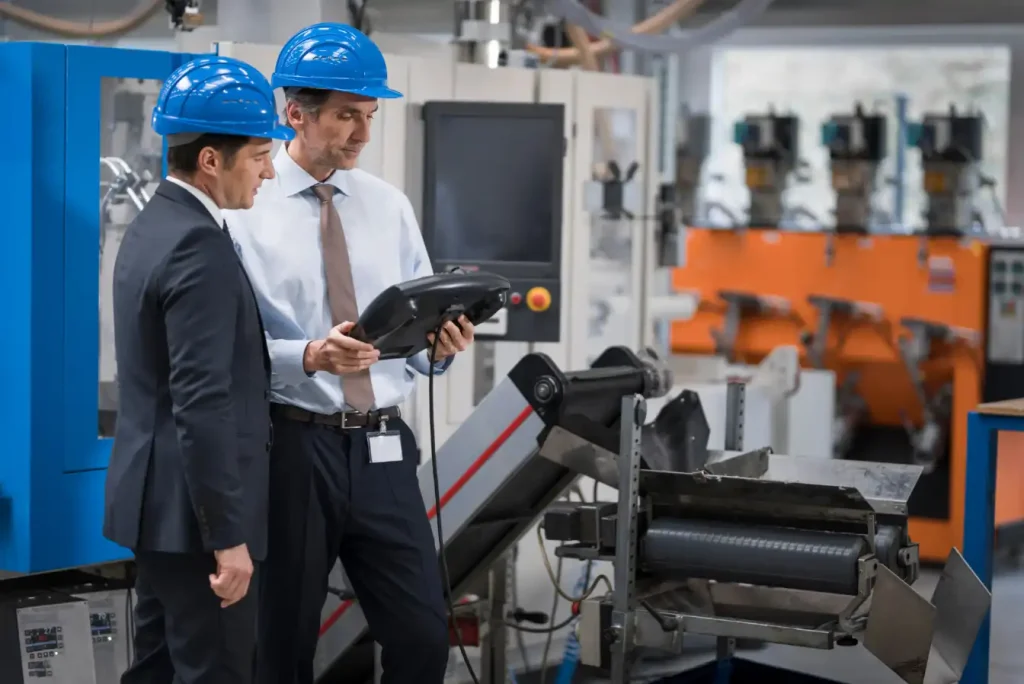
Achieving success requires more than just setting ambitious goals. It demands continuous improvement, a mindset of constant evaluation and adaptation. While crafting well-defined objectives is crucial, believing they are set in stone can hinder your progress. The key to staying ahead lies in regularly reviewing and adapting your objectives to ensure they remain relevant, effective, and aligned with your ever-changing environment. Why manufacturing objectives need to evolve Several factors necessitate the need for regularly reviewing and adapting your manufacturing objectives: Shifting market demands: consumer preferences, competitor strategies, and economic fluctuations can significantly impact your market position. Objectives set based on outdated market understanding can quickly become irrelevant and hinder your ability to compete effectively. Imagine, for example, focusing on producing bulky desktop computers while the market rapidly shifts towards sleek laptops and tablets. Technological advancements: new automation solutions, data analytics tools, and production methods are constantly emerging. These advancements present opportunities to streamline processes, enhance efficiency, and potentially even create entirely new product lines. Objectives that don’t consider these advancements might miss out on crucial opportunities for growth. For instance, clinging to manual inventory management might hinder your ability to compete with companies that have adopted advanced inventory control systems. Unforeseen circumstances: disruptions like natural disasters, material shortages, or economic downturns can significantly disrupt your operations. Objectives set before these events could lack the necessary flexibility to adapt to the new reality. For example, a sudden spike in the cost of raw materials might necessitate revising production targets or exploring alternative materials. Strategies for continuous improvement in manufacturing Here are some strategies to ensure your manufacturing objectives remain relevant and effective over time: Schedule regular reviews: establish a consistent review schedule for your objectives, like quarterly or bi-annually. During these reviews, assess the progress made towards each objective and analyze any changes in the market, technology, or internal environment. This allows you to identify areas for improvement and adapt your objectives accordingly. Embrace open communication: foster a culture of open communication within your organization. Encourage employees at all levels to share their feedback on the objectives and suggest areas for improvement. This collective input from those on the shop floor can provide valuable insights to inform revisions. Imagine a production worker suggesting an alternative production method that could improve efficiency – their input could be crucial for adapting your objectives. Build in adaptability: don’t set your objectives in stone. Consider setting stretch goals that leave room for adjustments, and be prepared to adapt based on new information or changes. This flexibility allows you to respond effectively to unforeseen circumstances and emerging opportunities. Celebrate achievements and acknowledge challenges: recognize and celebrate successes in achieving your objectives, but also acknowledge any challenges encountered. Use these learnings to inform future iterations of your objectives. Analyzing both successes and failures allows you to continuously improve your approach and refine your objectives for the future. Benefits of continuous improvement in manufacturing By embracing continuous improvement and regularly reviewing and adapting your objectives, you can reap several benefits: Enhanced adaptability: your organization will be better equipped to handle unforeseen circumstances and navigate rapidly changing market conditions. This agility allows you to respond quickly to disruptions and seize new opportunities. Improved efficiency and effectiveness: by regularly re-evaluating your goals, you can ensure your resources are directed towards the most impactful initiatives. This can lead to streamlined production processes, reduced waste, and ultimately, increased profitability. Increased innovation and growth: embracing continuous improvement fosters a culture of innovation within your organization. By regularly reviewing and adapting objectives, you can identify and capitalize on new opportunities for growth, keeping you ahead of the competition. Sustainable success: regularly adapting your objectives ensures they remain aligned with your long-term vision, leading to sustainable success in the ever-evolving world of manufacturing. Remember, setting objectives is just the first step. By adopting a growth mindset and continuously refining your objectives, you can ensure your manufacturing operation stays ahead of the curve and thrives in the face of change.
Bridging the Gap: Aligning Strategic and Operational Objectives in Manufacturing

The success of any operation hinges on a well-defined roadmap, but navigating the gap between strategic objectives set by top management and the operational tasks carried out on the shop floor can be a major challenge. For instance, an organization might have a strategic objective to “reduce production costs by 10%.” However, without clear direction, frontline workers might focus on using cheaper materials that compromise product quality, ultimately impacting customer satisfaction. This disconnect can lead to confusion, misalignment, and ultimately, a lack of progress towards achieving the company’s vision. The problem: When strategy doesn’t meet execution Imagine a scenario where the C-suite sets an ambitious goal to “increase market share by 15% within the next fiscal year.” While this objective provides a clear direction, it lacks the details necessary for frontline workers to understand how their daily tasks contribute to achieving it. This ambiguity can lead to: Confusion: Unsure of their individual roles, employees might not understand how their daily tasks contribute to the bigger picture. This can lead to a lack of motivation and engagement Misalignment: Departments might prioritize their own goals over the company’s, hindering overall progress Inefficiency: Time and resources might be wasted on activities not directly linked to achieving the strategic objectives Building the bridge: strategies for alignment So how do we bridge this gap and ensure everyone, from the CEO to the assembly line worker, is rowing in the same direction? Here are some key strategies: Cross-Functional Collaboration Workshops:Organize workshops where representatives from various levels and departments come together to discuss and understand the company’s strategic objectives. This fosters a sense of shared ownership and facilitates the translation of high-level goals into specific, actionable tasks for each department. Cascading objectives:Break down the overarching strategic objectives into smaller, more manageable goals for each department. This allows individual teams to understand their specific contribution to the overall strategy and develop action plans to achieve them. Effective communication:Ensure clear and consistent communication at all levels. Regularly communicate the company’s vision, strategic objectives, and progress updates to all employees, fostering transparency and buy-in. Performance metrics:Establish relevant performance metrics that track progress towards both strategic and operational objectives. This allows everyone to monitor progress and identify areas for improvement. Recognition and rewards:Recognize and reward individuals and teams who demonstrate exceptional commitment and contributions towards achieving the company’s objectives. This reinforces the importance of alignment and motivates employees to continue their efforts. Bridging the gap: a collaborative effort For lasting success, aligning strategic goals with daily tasks necessitates ongoing collaboration and communication. By fostering a culture of shared understanding and ownership, manufacturers can bridge the gap between strategy and execution, setting the stage for a more efficient, motivated, and ultimately, successful operation. Remember, a well-aligned team is a winning team. By implementing these strategies and fostering a collaborative environment, you can ensure everyone is on the same page, working together towards achieving your manufacturing aspirations.
From Vague to Valuable: Crafting Objectives for Manufacturing

Many manufacturing operations struggle with setting clear and actionable goals. Instead of well-defined objectives, they often rely on vague aspirations or generic statements like “increase efficiency” or “improve quality.” While these intentions are good, they lack the specificity and direction needed to drive real progress. This blog post will guide you through the process of transforming vague intentions into powerful objectives for your manufacturing operation. We’ll explore the importance of clarity, delve into the SMART framework, and provide practical tips for crafting objectives that align with industry best practices. Why are clear and specific objectives so important? Vague goals lack direction and leave room for misinterpretation. They make it difficult to measure progress, track success, and hold individuals accountable. Enhanced focus and clarity: They eliminate ambiguity and ensure everyone is working towards the same goals Increased motivation and engagement: Employees understand the “why” behind their work and are more invested in achieving specific targets Improved decision-making: Clear objectives guide resource allocation and ensure everyone is aligned on priorities Better performance measurement: Measurable goals allow you to track progress, identify areas for improvement, and celebrate achievements Crafting powerful objectives with the SMART framework: So, how do you transform vague statements into powerful objectives? Here are some key strategies: Start with your vision: Align your objectives with your overall company vision and long-term goals. Utilize the SMART framework: Ensure your objectives are specific, measurable, achievable, relevant, and time-bound Focus on areas of impact: Target specific areas where improvement will yield the most significant benefits for your operation Incorporate industry best practices: Learn from successful companies in your industry and adapt their strategies to fit your specific needs Examples of vague vs. meaningful objectives: Aligning with Industry Best Practices: Beyond the SMART framework, consider incorporating best practices specific to the manufacturing industry: Focus on key performance indicators (KPIs): Align your objectives with relevant KPIs like production volume, lead time, defect rate, and uptime Embrace lean principles: Objectives can focus on eliminating waste, streamlining processes, and optimizing resource utilization Integrate sustainability goals: Consider incorporating objectives related to waste reduction, energy efficiency, and responsible sourcing Transforming your manufacturing operation through powerful objectives: By transitioning from vague intentions to well-defined objectives, you can unlock several benefits: Improved focus and direction: Clear objectives provide a roadmap for your team, ensuring everyone is aligned and working towards the same goals Enhanced engagement and motivation: Specific and achievable goals motivate individuals and teams to contribute their best efforts Measurable progress and success: Defined metrics allow you to track progress, identify areas for improvement, and celebrate achievements Strategic decision-making: Clear objectives ensure decisions are aligned with your overall goals and contribute to long-term success Remember: Setting effective objectives is an ongoing process. Regularly review and adapt your objectives to ensure they remain relevant and aligned with your evolving business needs. Embrace a collaborative approach, engage your team in the process, and celebrate successes along the way. By crafting powerful objectives, you can transform your manufacturing operation from merely surviving to thriving in today’s competitive environment.
The Impact of Data Standardization for Manufacturers

Standardization plays a pivotal role in enhancing operational efficiency across industries. In the manufacturing sector, data standardization is crucial for improving accuracy, visibility, and collaboration, ensuring that factory workers can make informed decisions based on real-world insights. One example of a digital solution that empowers manufacturing shopfloor with the right data is EviView. Our innovative solution streamlines data collection, transformation, and contextualization while effortlessly standardizing data structures, ensuring consistent reporting and analytics across the entire operation. By reducing the risk of errors and eliminating the need for manual tracking on whiteboards or Excel spreadsheets, team members gain a competitive advantage, making them more efficient while driving down operational costs. The benefits of data standardization can be grouped into these key areas: Improve data quality and integrityOne of the key advantages of data standardization is its ability to eliminate inconsistencies and discrepancies that may arise from disparate data sources. By transforming raw data into a standardized format, manufacturers can ensure cleaner, more reliable data that is less prone to errors and inaccuracies. Accurate data acts as a solid foundation for analysis and enables workers and managers to make informed decisions based on real-world insights. With the integration of EviView into their existing infrastructure, manufacturers experience improved data quality and integrity, fostering a more efficient and effective decision-making process. Streamline data collection and transformation with effortless deploymentData standardization, when combined with effortless deployment, significantly streamlines data collection and transformation processes. A digital solution like EviView will seamlessly integrate with a manufacturer’s existing infrastructure, allowing for the capture, transformation, and contextualization of data from both new and legacy equipment. By effortlessly standardizing data structures, you’ll ensure consistent reporting and analytics across the entire operation. This streamlined approach minimizes human intervention, reduces the risk of errors, and eliminates the need for manual tracking on whiteboards or tedious Excel spreadsheet analysis. Your workforce at every level, from the shop floor to the executive suite, can easily access and interpret relevant data specific to their respective responsibilities. Standardize activities across different levels of productionData standardization brings significant efficiency gains and boosts throughput across individual workstations and entire factories. Standardized work procedures and accurate cycle times are established through historical data, empowering production teams to optimize their processes. Moreover, standardized data enables quality control teams to benchmark defect rates and identify areas for improvement. From the shop floor to the executive suite, a streamlined approach to data standardization facilitates seamless collaboration and promotes better teamwork across different departments, enhancing overall operational efficiency. Predictive analytics and maintenanceStandardized data, combined with sophisticated analytics, empowers manufacturers to leverage predictive maintenance and gain actionable insights. Maintenance teams can utilize these insights to receive alerts when equipment malfunctions or to develop effective usage-based maintenance schedules, ensuring optimal equipment maintenance timing and reducing downtime. Furthermore, production teams can rely on historical data to establish accurate cycle times and standard work procedures, while quality control teams can benchmark defect rates and identify areas for improvement. The power of predictive analytics extends beyond maintenance, benefiting other departments within the organization as well. Increase data sharing and collaborationStandardized data offers workers an unprecedented level of visibility into their shop floor operations. With proficient data sharing and collaboration, teams across shifts, departments, and locations can seamlessly communicate, ensuring everyone has access to relevant information when they need it. This level of transparency and collaboration optimizes operations, promoting better teamwork and coordination across production, quality control, warehouse, maintenance and engineering, and other departments. By connecting teams and facilitating information sharing, data standardization enhances overall operational efficiency and promotes a culture of continuous improvement. Enhance operational excellenceIn the past, data analysis used to be a resource-intensive endeavor, demanding specialized skills and personnel. However, advancements in data standardization and actionable analytics have enabled companies to adopt a self-service approach, creating customized reporting and analyses without needing an in-house team of data analysts. This approach not only enhances operational efficiency but also optimizes resource utilization, allowing businesses to track machine availability, measure operator effectiveness, and identify areas for improvement. Through comprehensive analysis and data standardization, companies can track and visualize performance, problems, trends, and insights, seamlessly monitoring the entire production process from start to finish. Managers can also leverage historical data to establish accurate cycle times and standard work procedures, while quality control teams can benchmark defect rates and identify areas for improvement. Cost savings and improved profitability:Data standardization across the manufacturing value chain contributes to significant cost savings in various areas. By ensuring data cleansing, storage, and analysis are streamlined, manufacturers can minimize expenses. Furthermore, enhanced efficiency and reduced downtime result in lower operational costs, ultimately leading to improved profitability. As data standardization becomes more deeply ingrained in manufacturing processes, companies can recognize the cost-saving opportunities and reap the benefits of improved efficiency and productivity. Conclusion: Data standardization has become an essential component for manufacturers seeking to connect their workers with the data to enhance operational efficiency, improve decision-making, and remain competitive. Digital solutions like EviView empower manufacturers to streamline data collection, transformation, and reporting, ensuring accuracy, visibility, and collaboration across the organization. Through standardized data, manufacturers can make informed decisions, achieve cost savings, optimize resource utilization, and drive improved profitability. Embracing data standardization is no longer a distant concept; it is a reality that manufacturers can leverage to enhance operational excellence and stay ahead in the ever-evolving world of manufacturing.
Making the Case for Data Standardization

Imagine a factory floor bustling with activity, but not just machines in motion. Data flows seamlessly, painting a clear picture of every process, every machine, every decision point. This, in essence, is the power of standardized factory data. It’s not just science fiction; it’s the reality awaiting manufacturers who embrace the potential of organized information. By standardizing your factory data, you unlock a treasure trove of insights that can transform your operations and propel you towards success. Beyond the fog: seeing clearly with data visualizationStandardized data acts as a translator, turning the complex language of your machines into clear, actionable visuals. Through intuitive dashboards and interfaces, operators gain real-time insights into equipment health, production levels, and potential issues. Imagine spotting a dip in productivity or a looming equipment failure before it disrupts your entire line. That’s the power of data visualization at your fingertips. From reactive to proactive: maintenance reinventedSay goodbye to calendar-based maintenance and hello to a data-driven future. Standardized data empowers you to predict and address equipment issues before they snowball into costly downtime. Transition to condition-based maintenance, optimizing resource allocation and extending the lifespan of your assets. As you delve deeper, even predictive maintenance becomes a possibility, allowing you to anticipate and prevent failures before they strike. Data-driven decisions: steering your ship with confidenceImagine production insights seamlessly integrated with your business intelligence tools. Standardized data makes this a reality, enabling you to predict product trends, pinpoint field failures, analyze quality issues, and more. These insights equip you to make informed decisions about everything from growth strategies to process optimization and cost reduction. Edge-based data standardization further enhances this by facilitating data transfer to downstream systems, offering a holistic view of your production and empowering even smarter decision-making. Automate for efficiency: the key lies in understandingData-driven action hinges on meaningful insights. But how do you glean them from a jumble of information? Standardized data becomes your key, making it easily understandable and usable. With readily accessible insights, you can automate critical tasks, respond to events like downtime or production shortfalls with lightning speed, and ultimately streamline your operations for maximum efficiency. The data revolution is here, manufacturing plants that embrace standardized data are poised to reap the rewards. It’s not just about numbers; it’s about empowering your people, optimizing your processes, and ultimately, achieving sustainable success.