
How Do You Know if Data Standardization is a Challenge?

The manufacturing landscape is awash in data, a torrent of information flowing from diverse sources – legacy systems, cutting-edge technology, and everything in between. While this data holds immense potential for optimization, efficiency, and informed decision-making, its raw, unstandardized nature poses a significant challenge. This blog delves into the complexities of data standardization in manufacturing, exploring both the hurdles and the rewards this crucial endeavor presents. Challenges: A bumpy road to standardization Legacy systems vs. new technologies: imagine a factory with a mix of vintage machinery and cutting-edge robots, each speaking its own data language. Unifying this data can be a complex and time-consuming task. Silos and shared understanding: different departments often operate independently, creating data silos. Standardizing across these silos requires collaboration and a clear understanding of the bigger picture. Cultural inertia: Change can be tough, and employees accustomed to existing systems might resist new procedures. A comprehensive change management strategy is key to overcoming this inertia. Opportunities: the golden nuggets of standardization Despite the challenges, the rewards of data standardization are undeniable: Cost savings: streamlined data management translates to significant cost savings in integration, maintenance, and reconciliation. Enhanced security: standardized data is more secure against unauthorized access and cyberattacks, boosting overall data protection. Competitive edge: standardized data becomes a strategic asset, empowering informed decision-making, boosting productivity, and reducing costs, ultimately giving you a competitive edge. Performance monitoring across sites: track progress and identify improvement areas across multiple locations with standardized data, enabling global leadership to make informed decisions. Is standardization your missing puzzle piece? Imagine struggling to decipher a book written in multiple languages, with each page formatted differently. This is the data analysis struggle without standardization. Consider these questions to gauge if your organization needs to embark on this journey: ☐ Can leadership compare performance across sites using common metrics? ☐ Can best practices be shared effortlessly across factories and production lines? ☐ Can data assess the impact of improvement initiatives on key performance indicators? ☐ Are data dashboards accessible and actionable for shop floor personnel? ☐ Can you effectively communicate progress and success stories to stakeholders? If answering these questions proves difficult, your digitalization strategy might be missing a crucial piece: data standardization.
Data Standardization: The What, the How and the Why

What is data standardization? Data standardization, in the context of manufacturing, refers to the process of organizing and formatting data in a consistent and uniform manner across different systems and departments. This ensures that data is easily accessible, understandable, and actionable, empowering manufacturers to make informed decisions based on reliable information. Why is data standardization important? Data standardization holds immense significance for manufacturers. Here are some key reasons why it is crucial for success: Unleashing the power of Industry 4.0 Data: The advent of Industry 4.0 has ushered in a new era of interconnected machines and sensors, generating vast amounts of data. Data standardization is essential to effectively managing and analyzing this data and extracting actionable insights to optimize production processes and enhance product quality. Compliance with sustainability standards: The Corporate Sustainability Reporting Directive (CSRD) now mandates large companies and listed SMEs to report on their environmental, social, and governance (ESG) performance. Standardized data plays a critical role in enabling manufacturers to gather and present accurate and consistent data on their sustainability efforts. Enhancing operational excellence: By ensuring data integrity and accessibility, data standardization lays the foundation for operational excellence. Manufacturers can identify and rectify inefficiencies, reduce costs, and improve overall performance. Unlocking predictive analytics and optimization: Standardized data provides a rich foundation for developing predictive models and optimizing production processes. Manufacturers can analyze data patterns to predict potential issues, optimize machine utilization, and enhance product quality. Standardization puts systems in place to ensure that key processes and metrics are the same or similar from site to site, for example. Implementing data standardization: A comprehensive approach Implementing data standardization involves a comprehensive approach that encompasses several key steps: Data inventory and mapping: Identify and map all data sources across the organization, including production lines, sensors, and legacy systems. Data normalization: Standardize data formats, attributes, and naming conventions to ensure consistency across systems. Data quality assurance: Implement data cleansing and validation procedures to ensure data accuracy and consistency. Data management infrastructure: Establish a centralized data management infrastructure, such as data warehouses or data lakes, to store and manage standardized data. Data governance: Establish data governance policies to manage access, usage, and security of standardized data. Benefits of Data Standardization Data standardization delivers a range of benefits to manufacturers, including: Improved data quality: Standardization ensures data accuracy and consistency, reducing the risk of errors and enabling more reliable decision-making. Enhanced data accessibility: Standardized data is easily accessible and understandable by users across different departments, promoting collaboration and informed decision-making. Reduced time to insights: Standardized data eliminates the need for manual data aggregation and cleaning, significantly reducing the time required to analyze data and derive insights. Increased operational efficiency: Data standardization enables the identification and elimination of inefficiencies, leading to improved operational efficiency and reduced costs. Regional and global leadership will be able to assess and compare like-for-like data, such as KPIs and process metrics, across different sites and locations. In conclusion, data standardization is not merely a technical initiative; it is a strategic imperative for manufacturers seeking to thrive in the data-driven era of Industry 4.0. By embracing data standardization, manufacturers can unlock a wealth of opportunities, including improved operational efficiency, reduced costs, and enhanced product quality.
EviView and Merck Win Best Process-Product Innovation Award at the Irish Medtech Awards 2023

EviView is proud to announce that their collaboration with Merck, a global pharmaceutical company, has been recognized with the Best Process-Product Award at the Irish Medtech Awards. This prestigious accolade highlights the remarkable impact of EviView’s innovative software on improving Merck’s manufacturing procedures and driving their long-term goals. Merck’s submission showcased their transformation from traditional shift handovers to a digitized, streamlined, and data-centric system. By partnering with EviView, Merck aimed to revolutionize their shift handover process and empower their workforce with timely, data-driven, and efficient shift handover tools. “We are thrilled to receive the Best Process-Product Award in collaboration with Merck,” said EviView CEO Karol Dabrowski. “This recognition highlights our commitment to driving operational excellence and sustainability in the MedTech and Pharma industries. We are proud to partner with Merck in transforming their shift communication and tier dashboards, and look forward to further innovations in the future.” EviView’s strategic execution included the seamless integration of legacy and new technologies, addressing the complexities of various systems and tools. This holistic approach encompasses seamless data flow, multi-departmental engagement, real-time monitoring, and future-proofing. Dabrowski continues, “The recognition of EviView and Merck winning the Best Process-Product in the Irish Medtech Awards affirms our commitment to innovation, sustainability, and excellence in the manufacturing industry. This achievement showcases the transformational power of collaborating with EviView in driving continuous improvement and achieving operational excellence.”
EviView Celebrates Renewable Momentum with Ørsted

Enterprise Ireland client EviView, today celebrated its ongoing work with the world’s leading developer of offshore wind, Ørsted. Founded in 2015, Eviview, a fast growing software company, operates out of Cork Airport Business Park, and their solution helps companies streamline shift handovers, continuous improvements etc. EviView Chair Pat Lynch said, “We’re delighted to partner with Ørsted to show what our shift management software can bring to the renewables sector. Our team has sustained positive momentum since we were founded in 2015, and we are proud to be building a high value indigenous company that works with the best companies in the most innovative sectors worldwide.” Minister for Enterprise, Trade and Employment of Ireland, Simon Coveney TD, said, “It’s exciting to see a partnership such as this coming to fruition. There is momentum in renewables in Ireland, and Government are working hard to support the creativity of indigenous companies such as EviView to maximise our economic potential. I look forward to the publication of our National Industrial Strategy for Offshore Wind to ensure this sector continues to deliver for Ireland.” Patrick Calnan, Lead Offshore Market Developer for Ørsted said, “With 100 people in our Cork office, Ørsted is committed to Ireland with solar, onshore, and offshore projects in progress. Our team are always on the lookout for ways to bring efficiency and innovation to this fast-paced sector and it’s positive to see Irish business responding to the potential of the sector so well. There is every potential for Irish indigenous companies to build on the clustering momentum already seen in places such as Cork.” About ØrstedThe Ørsted vision is a world that runs entirely on green energy. Ørsted develops, constructs, and operates offshore and onshore wind farms, solar farms, energy storage facilities, renewable hydrogen and green fuels facilities, and bioenergy plants. Ørsted is recognised on the CDP Climate Change A List as a global leader on climate action and was the first energy company in the world to have its science-based net-zero emissions target validated by the Science Based Targets initiative (SBTi). Headquartered in Denmark, Ørsted employs approx. 9,000 people. Ørsted’s shares are listed on Nasdaq Copenhagen (Orsted). In 2022, the group’s revenue was DKK 132.3 billion (EUR 17.8 billion).
Manufacturing Production Scheduling: A Path to Efficiency and Profitability
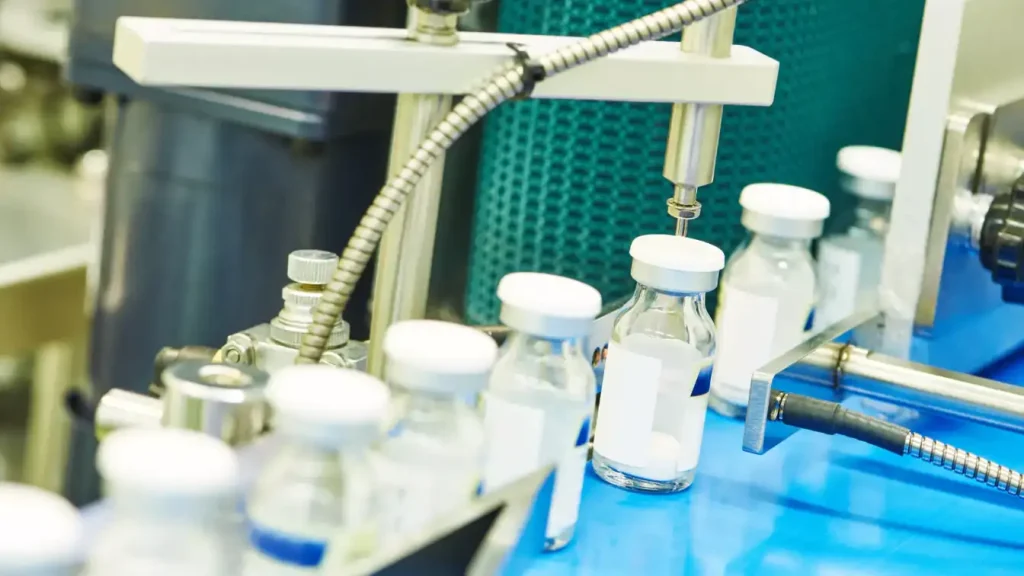
Manufacturing companies face a constant challenge: how to optimize production scheduling to meet customer demand while maintaining efficiency. This delicate balancing act can make or break a company’s success. In this blog post, we will explore the art of optimizing manufacturing production scheduling to enhance efficiency, reduce lead times, and ultimately increase profitability. Understanding Manufacturing Production Scheduling Manufacturing production scheduling is the art of planning and coordinating the production of goods within a manufacturing environment. It involves creating a detailed production plan that specifies the quantity and timing of each production task, along with the necessary resources for each task. The primary goal of production scheduling is to ensure that production runs efficiently, meeting customer demands while keeping costs in check. A production schedule typically comprises a task list, task timing, and resource requirements, encompassing materials, equipment, and personnel. Benefits of Optimizing Manufacturing Production Scheduling Optimizing manufacturing production scheduling can bring a plethora of benefits, revolutionizing a company’s operations and bolstering its competitive edge. Let’s take a closer look at these advantages: Improved Efficiency: Optimal production scheduling minimizes bottlenecks and idle time, allowing manufacturers to maximize productivity and output. This efficiency results in reduced production times and lower costs. Increased Profitability: Efficiency improvements translate into increased profitability. Reduced production times and costs, coupled with higher output, contribute to a healthier bottom line. Enhanced Customer Satisfaction: Meeting customer demand consistently and on time builds trust and satisfaction, fostering customer loyalty and brand reputation. Enhanced Quality Control: Streamlined scheduling reduces the risk of defects and ensures the consistency of products, enhancing overall product quality. Resource Utilization: Planning efficiently maximizes resource utilization, minimizes waste, and reduces costs. Greater Flexibility: Agile scheduling allows manufacturers to adapt to changing circumstances and market demands, reducing the risk of disruptions and delays. Conclusion In the dynamic world of manufacturing, mastering production scheduling is a critical component of achieving efficiency and profitability. By implementing effective scheduling strategies and embracing tools like production scheduling software, manufacturers can unlock these benefits and position themselves for success in an increasingly competitive market. As customer demands continue to evolve, optimizing production scheduling remains a vital driver of growth and profitability in the manufacturing sector.
The Cost of Bad Communication in Manufacturing Plants

In manufacturing, efficient communication is not just a desirable attribute; it’s an absolute necessity. The seamless flow of information within a manufacturing plant can significantly impact productivity, product quality, employee morale, and the overall bottom line. Conversely, the cost of bad communication can be staggering, both in financial terms and in terms of the long-term health of the organization. In this blog post, we will explore the various facets of this issue and understand why investing in effective communication is a crucial consideration for manufacturing plants. Production Delays One of the most immediate and obvious consequences of bad communication in a manufacturing plant is production delays. When critical information fails to reach the right people at the right time, it can lead to bottlenecks, downtime, and missed deadlines. Delays in production not only impact customer satisfaction but also increase operational costs as resources are underutilized and overtime pay may be required to catch up. Quality Control Quality control is paramount in manufacturing, and bad communication can undermine it significantly. Without clear communication channels, employees may not be aware of changes in production processes, quality standards, or product specifications. This can result in defective products, increased rework, higher scrap rates, and the potential for costly recalls or customer returns. Employee Morale and Retention Effective communication is not just about transmitting information; it’s also about fostering a positive work environment. When employees feel that their voices are not heard or that they are not well-informed about company policies and decisions, morale can suffer. It is detrimental to employee morale when employees don’t feel heard or are unaware of company policies and decisions. Consequently, it can lead to increased turnover rates, which come with their own set of recruitment and training costs. Safety Risks Safety should always be a top priority in manufacturing, and bad communication can pose significant safety risks. Failure to communicate essential safety protocols, hazards, or emergency procedures can result in accidents, injuries, and even fatalities. These incidents not only have devastating human costs but also legal and financial ramifications for the organization. Inventory Management Manufacturing plants often rely on efficient inventory management to minimize storage costs and maintain just-in-time production. However, when communication breakdowns occur between production and supply chain teams, inventory levels can become inaccurate. Overstocked or understocked items can lead to financial losses due to carrying costs or production halts when necessary materials are unavailable. Decision-Making In an era of data-driven decision making, timely access to accurate information is crucial. Bad communication can lead to confusion and misinformation, making it difficult for leaders to make informed choices. This can result in poor strategic decisions, missed opportunities, and financial losses in the long run. Reputation Damage Lastly, the cost of bad communication extends beyond the internal operations of a manufacturing plant. Negative publicity or customer complaints stemming from communication failures can damage the company’s reputation. Rebuilding trust and credibility can be a costly and time-consuming endeavor. Conclusion The cost of bad communication in manufacturing plants is multifaceted and can have far-reaching consequences. From production delays and quality control issues to safety risks and damage to the company’s reputation, the impacts are significant. To mitigate these costs, manufacturing plants should invest in robust communication systems, foster a culture of open and transparent communication, and provide training and tools to enhance communication skills at all levels of the organization. In doing so, they can not only reduce costs but also position themselves for long-term success in a highly competitive industry.
How Digital Solutions Can Unlock Efficiency and Collaboration in Manufacturing

The need for transparency, efficient communication, and streamlined processes has never been greater. Many plants in the industry have historically struggled with limited visibility into production steps, incidents, and operational risks. This lack of transparency poses significant challenges, particularly in the context of round-the-clock shift work. The question that arises is: how can we effectively connect all stakeholders, from plant operators and maintenance teams to plant management, and bridge the gap between departments and shift teams? Traditionally, some companies have relied solely on the shift handover as their primary means of transferring critical information. However, in today’s complex manufacturing environments, a mere 15-minute window for information exchange often falls short of conveying all the essential details, such as tasks, instructions, prioritization, incidents, efficiency losses, and disruptions, in a comprehensible manner. Relying solely on these transfer times can lead to the loss of crucial knowledge. Verbal transmission of process knowledge, in particular, is susceptible to missing vital information, ultimately setting the stage for security incidents and efficiency losses. To address these challenges, many companies have turned to a combination of paper documentation and self-developed office tools in the past. However, these in-house solutions hinder the efficient retrieval of relevant information and fall short when it comes to facilitating seamless information transfer. Interfaces with systems like maintenance, a comprehensive overview of events, and interactive collaboration between different departments are just a few examples of what conventional office solutions cannot adequately provide. To truly embrace efficiency and transparency, it’s time for manufacturing to bid farewell to paper-based tools and stacks of documents. The answer lies in adopting a digital solution that ensures interactive, efficient, and transparent collaboration. The Consequences of Inadequate Communication Poor communication can have far-reaching consequences. Shift workers often document processes in paper-based logbooks or office tools like Word or Excel, restricting access to physical locations, such as clean rooms. This means that shift management working remotely cannot access critical documentation, resulting in a fragmented knowledge landscape. Only authorized individuals and departments have access to tables and Word documents, creating silos of information that hinder collaboration and knowledge sharing. In such an environment, shift handovers heavily rely on the memory and writing skills of supervisors, making them prone to errors and omissions. Additionally, organizing and presenting vast amounts of data and information in a clear and transparent manner becomes a time-consuming challenge, often leading to inefficiencies and a loss of knowledge. This suboptimal form of shift handover ultimately destabilizes cross-shift cooperation. Embracing effective communication A shift handover based on checklists offers a more robust solution. Checklists help employees remember equipment status and process steps, reducing the likelihood of errors. However, despite these advantages, interfaces to other departments and a transparent view of production steps are still missing, leaving room for security incidents and efficiency losses. Rapid adaptability and swift response to disruptions remain unsupported. The Path to Optimal Communication The pinnacle of communication excellence in manufacturing can be achieved through digital transformation. During shift operations, employees can document tasks, instructions, and incidents in a centralized software application that is accessible to all involved, regardless of location. This approach ensures that everyone has access to relevant information, fostering efficiency and collaboration. Prioritization features allow for quick access to the most critical information, ensuring that workers have the information they need when they need it. Furthermore, a platform that enables documentation with photos and illustrations offers precision and simplifies the documentation process, aiding in knowledge retention. Interfaces to all relevant systems within the production process improve efficiency and save valuable time. In conclusion, the manufacturing industry must embrace digital solutions to overcome the challenges of limited transparency, inefficient communication, and fragmented information management. By adopting a comprehensive digital plant process management solution, companies can unlock the full potential of their operations, enhance collaboration, and ensure the security and efficiency of their processes. It’s time to leave behind outdated practices and usher in a new era of manufacturing, one marked by optimal communication and innovation.
Optimizing Shift-To-Shift Communication

In the fast-paced world of manufacturing, every second counts. Efficient production processes are essential for meeting customer demands, maintaining product quality, and ensuring a competitive edge in the market. One critical aspect of manufacturing that often goes overlooked but can significantly impact overall performance is the shift handover process. In this blog post, we will delve into the importance of optimizing shift handovers in manufacturing and how it contributes to enhanced performance management. The Crucial Role of Shift Handovers Shift handovers are the transitional periods when one shift of workers hands over responsibility to the next. This transfer of information, responsibilities, and tasks may seem like a simple routine, but it is, in fact, a critical juncture in manufacturing operations. Here’s why it matters: Continuity of Operations Manufacturing processes typically run around the clock, and equipment and machinery must operate continuously. A smooth shift handover ensures that there are no interruptions in production, reducing downtime and maximizing productivity. Quality Control Maintaining consistent product quality is critical in manufacturing. A well-executed shift handover includes detailed information about the status of ongoing processes, potential issues, and quality control checks. This information is crucial for the incoming shift to uphold product quality standards. Safety Safety is a top priority in manufacturing environments. Proper shift handovers include safety-related information, such as any ongoing maintenance tasks, potential hazards, and safety protocols. Ensuring that the incoming shift is aware of these factors can prevent accidents and injuries. Efficiency and Productivity A well-structured shift handover process allows for a seamless transition of tasks and responsibilities, minimizing idle time and ensuring that production processes run at peak efficiency. This efficiency ultimately contributes to increased productivity and reduced operational costs. Challenges in Traditional Shift Handovers Traditionally, shift handovers in manufacturing have relied on manual processes, paper-based documentation, and verbal communication. In the past, these methods may have sufficed, but they are not without challenges: Information Gaps Verbal communication can lead to misunderstandings or missed details, which can result in errors and production delays. Additionally, relying on memory alone can cause information gaps. Documentation Errors Paper-based documentation is susceptible to human errors, such as illegible handwriting or misplaced paperwork. These errors can lead to inaccuracies and inefficiencies in the handover process. Lack of Standardization Inconsistent shift handover practices can make it difficult for workers to adapt when transitioning from one shift to another. This lack of standardization can hinder efficiency and create confusion. Optimizing Shift Handovers for Performance Management To address the challenges associated with shift handovers and enhance performance management in manufacturing, consider implementing the following strategies: Digital Shift Handover Solutions Invest in a solution that enables real-time data capture and sharing. These systems provide a centralized platform for documenting shift activities, making information easily accessible to all relevant personnel. Standardized Procedures Establish standardized shift handover procedures that outline the key information to be shared during each handover. This includes production progress, quality control checks, safety updates, and any ongoing maintenance tasks. Training and Communication Provide comprehensive training to all employees involved in shift handovers. Emphasize the importance of effective communication and the role each worker plays in maintaining a smooth transition between shifts. Data Analysis Use data analytics to track the effectiveness of shift handovers. Analyzing performance metrics can help identify areas for improvement and optimize the handover process further. Continuous Improvement Improve shift handovers through a culture of continuous improvement. Regularly solicit feedback from workers involved in the process and make adjustments as needed to streamline operations continually. Conclusion Optimizing shift handovers in manufacturing is a critical component of performance management. It ensures the continuity of operations, maintains product quality, enhances safety, and improves efficiency and productivity. By embracing digital solutions, standardizing procedures, investing in training, analyzing data, and fostering a culture of continuous improvement, manufacturers can elevate their shift handover processes and, in turn, achieve greater success in a highly competitive industry. Remember, in manufacturing, every second saved during a shift handover can make a significant difference in overall performance and profitability.
Leveraging Technology For Enhanced Performance Management

Staying competitive and efficient is vital for success. Leveraging technology has become a necessity, allowing organizations to make data-driven decisions, improve process visibility, and optimize operations. In this blog post, we explore how technology, particularly IT software and cutting-edge tools, is transforming performance management in manufacturing. We’ll look into the role of IT software, real-time data collection and analytics tools, automation, digitization, and the power of dashboards and visualizations in enhancing performance management. The Role of IT in Performance Management in Manufacturing IT software lies at the heart of modern performance management in manufacturing. With advanced software solutions, organizations can gather, analyze, and interpret data more effectively than ever before. Enterprise resource planning (ERP) systems and manufacturing execution systems (MES) are among the comprehensive tools available, offering capabilities for production scheduling, resource allocation, and quality control. By integrating various software solutions, manufacturers gain a holistic view of their operations, empowering them to make strategic decisions with greater precision. Utilizing Real-Time Data Collection and Analytics Tools Real-time data collection and analytics are game-changers in optimizing performance management in manufacturing. Thanks to sensor technology and IoT devices, manufacturers can capture data from machines, equipment, and production lines in real-time. This influx of real-time data allows for the swift detection of anomalies and deviations, enabling organizations to respond promptly and implement corrective actions. Advanced analytics tools process this data to identify trends, predict future performance, and uncover insights that were previously hidden in the vast amounts of data generated by modern manufacturing processes. Automation and Digitization of Performance Tracking and Reporting Automation and digitization play a crucial role in streamlining performance tracking and reporting, reducing manual effort and human errors. Tedious tasks such as data entry, report generation, and performance monitoring can be automated, freeing up valuable time for employees to focus on more strategic activities. Digitization of performance records ensures data accuracy, accessibility, and easy retrieval, facilitating seamless information sharing across departments and teams. Implementing Dashboards and Visualizations for Easy Data Interpretation Dashboards and data visualizations are indispensable tools for interpreting complex data sets quickly and efficiently. By presenting data visually through graphs, charts, and heatmaps, dashboards provide an easy-to-understand snapshot of key performance metrics. Manufacturing leaders can access real-time insights at a glance, facilitating faster decision-making and a rapid response to changing conditions. User-friendly dashboards allow stakeholders at all levels to drill down into data, enabling better collaboration and alignment across the organization. Conclusion Leveraging technology is no longer optional but essential for enhancing performance management in manufacturing. IT software, real-time data collection, analytics tools, automation, and digitization are revolutionizing how manufacturers monitor, analyze, and interpret performance data. These technologies empower organizations to optimize their operations, achieve higher levels of efficiency and productivity, and make data-driven decisions to remain competitive in an ever-evolving industry. By embracing technology as a key ally in performance management, manufacturing enterprises can unlock new opportunities for growth and success in the digital age. Embrace the future of manufacturing, where technology is your partner in achieving excellence.
Achieving Manufacturing Excellence Through Continuous Improvement and the PDCA Cycle

Continuous improvement is the cornerstone of successful manufacturing operations. In this blog post, we will delve into the world of continuous improvement in manufacturing, emphasizing the role of performance management as a catalyst for progress. We will also explore the importance of implementing a feedback loop for ongoing performance evaluation, the value of employee involvement in identifying and implementing improvements, and the power of the PDCA (Plan-Do-Check-Act) cycle as a tool for continuous enhancement. Continuous Improvement in Manufacturing Continuous improvement, often known as Kaizen in manufacturing, is the relentless pursuit of small but meaningful enhancements throughout the production process. It involves identifying inefficiencies, eliminating waste, and optimizing procedures to elevate productivity, quality, and customer satisfaction. Embracing continuous improvement empowers organizations to stay nimble, competitive, and adaptable in the face of market changes. Performance Management as a Driver for Progress Performance management is pivotal in steering continuous improvement within manufacturing. It comprises setting clear performance goals, regular monitoring of key performance indicators (KPIs), and analyzing performance data to pinpoint areas ripe for improvement. By aligning performance management with continuous improvement principles, organizations foster a culture that values data-driven decision-making, accountability, and the relentless pursuit of excellence. Implementing an Ongoing Feedback Loop A critical facet of performance management is establishing an open feedback loop for consistent performance evaluation. This entails regularly gathering and scrutinizing data to assess performance against predetermined targets and benchmarks. This feedback loop enables organizations to identify trends, spot improvement opportunities, and make timely adjustments to processes and operations. Leveraging technology and data analytics enhances the efficiency of the feedback loop, providing valuable insights to guide decision-making. Encouraging Employee Involvement Employees are the lifeblood of any successful manufacturing operation. Encouraging their active participation in identifying and implementing improvements is indispensable for sustained growth. Cultivating a culture that values employee ideas, fosters creativity, and empowers them to contribute to continuous improvement initiatives significantly impacts organizational performance. Regularly seeking input from frontline workers, who have an intimate understanding of the processes, can lead to innovative solutions and imbue employees with a sense of ownership. The Power of the PDCA Cycle The PDCA (Plan-Do-Check-Act) cycle, also known as the Deming Cycle, is a robust problem-solving methodology that supports continuous improvement efforts. Let’s delve into each stage of the PDCA cycle: PlanThe planning phase involves identifying improvement opportunities, setting specific goals, and creating detailed action plans. Stakeholder involvement ensures diverse perspectives and enhances the chances of success. DoDuring this stage, organizations implement proposed changes, typically on a small scale or in a controlled environment, to test their effectiveness. Effective communication and coordination among team members are crucial. CheckAfter implementing changes, organizations evaluate the results against established goals and KPIs. Data collection, analysis, and performance assessment are central to this stage. ActBased on the findings, organizations either standardize successful practices or refine action plans if outcomes fall short. The cycle then begins anew, encouraging a relentless pursuit of excellence. Benefits of the PDCA Cycle The PDCA cycle offers structured problem-solving, data-driven insights, adaptability, and employee engagement. It enables organizations to make informed decisions, standardize successful practices, and continuously refine their processes. When to Use the PDCA Cycle The PDCA cycle is adaptable across various industries and organizations. It excels at exploring effects in a controlled environment, minimizing waste through small-scale testing, and identifying the most effective improvements tailored to unique needs. When to use the PDCA cycle Conclusion The PDCA cycle is an ongoing process that becomes ingrained in an organization’s culture, guiding consistent improvement in products, services, or processes. Continuous improvement, driven by performance management and supported by the PDCA cycle, positions manufacturing operations for excellence, efficiency, and sustained growth in a dynamic business landscape. Embrace these principles, and your organization will thrive in the ever-evolving world of manufacturing.