
Meeting Cadences: A Key to Manufacturing Success

In manufacturing, where precision and efficiency are paramount, ensuring successful performance management is an ongoing challenge. While effective shift handovers are crucial, they are just one piece of the puzzle. Well-planned meeting cadences, structured gatherings that bring teams together at various levels, play a vital role in promoting collaboration, addressing challenges, sharing knowledge, and aligning improvement initiatives. In this blog post, we dive into the significance of meeting cadences in manufacturing and highlight essential elements for their successful implementation. Performance Management Cascade Shift Huddles and Morning Gemba At the heart of efficient production are the front-line operators, those individuals who are on the factory floor day in and day out. To kickstart the day on the right note, shift huddles are conducted at the beginning of each shift. These brief meetings gather operators to discuss the previous shift’s performance, current priorities, and any potential issues or safety concerns. These huddles provide a platform for operators to share insights and should be seamlessly conducted through electronic means to ensure adherence to standard protocols. By prioritizing factual data and following standard procedures, these meetings transform into structured and efficient processes. Additionally, the morning Gemba walk, where managers and supervisors visit the production floor, provides a unique opportunity for direct engagement with operators and fosters open communication. Weekly Meetings: Operations Director/Site Leadership Team Weekly meetings involving the operations director or site leadership team are crucial for aligning the organization’s goals with day-to-day activities. These gatherings serve as a forum to review key performance metrics, assess progress towards targets, and address emerging challenges. They also provide a platform to celebrate successes and recognize outstanding contributions. Weekly meetings keep all levels of management informed, promote transparency, and facilitate agile decision-making. Monthly Meetings: Continuous Improvement Projects Identified by RCPs To nurture a culture of continuous improvement, monthly meetings revolve around projects identified by Responsible Care Persons (RCPs). RCPs are employees designated to own specific improvement initiatives in their respective areas. These meetings offer RCPs the opportunity to present their projects’ progress, discuss roadblocks, and seek support and feedback from cross-functional teams. The collaborative nature of these meetings fosters innovation and empowers employees at all levels to contribute to the organization’s growth and success. Quarterly Meetings: Strategy Review Quarterly meetings provide a broader perspective by reviewing the organization’s overall strategy and long-term goals. These gatherings involve top-level management and department heads and focus on strategic planning, trends, and industry challenges. By assessing the company’s direction quarterly, leaders can make informed adjustments to adapt to changing market conditions and capitalize on growth opportunities. The Benefits of Tiered Meetings Implementing well-structured meeting cadences in manufacturing organizations offers a range of benefits, including: Enhanced collaborationRegular meetings bring together cross-functional teams, fostering collaboration and breaking down silos. This enables a more holistic approach to problem-solving and decision-making. Data-driven decision makingFrequent review of key performance metrics allows for data-driven decision making at all levels of the organization, promoting accountability and ensuring actions align with organizational goals. Continuous improvementFocusing on monthly continuous improvement projects empowers employees to identify and drive positive changes. This culture of continuous improvement boosts productivity and drives innovation. Proactive strategy alignmentQuarterly strategy review meetings help the organization stay agile and responsive to market changes, ensuring strategic alignment and sustainable growth. Employee engagementInvolving employees in meetings and improvement initiatives boosts their engagement and satisfaction, leading to a more motivated and productive workforce. Promoting collaboration and improvementMeeting cadences are the cornerstone of successful performance management in manufacturing. These structured gatherings create an environment of collaboration, knowledge sharing, and accountability. From shift huddles to strategy reviews, each meeting serves a unique purpose in aligning teams, improving processes, and driving growth. By adopting an effective meeting cadence, manufacturing organizations can foster a culture of continuous improvement and adaptability, propelling them towards excellence and competitiveness in an ever-evolving industry.
Optimizing Manufacturing Performance: From KPIs to Seamless Shift Handovers

Manufacturing performance is the heartbeat of any industrial operation. It’s the litmus test of effectiveness and efficiency, determining whether a company thrives or struggles. To understand manufacturing performance, one must delve into the realms of key performance indicators (KPIs), quality control, cost reduction, safety measures, and the often-overlooked but crucial aspect of shift handovers. In this blog post, we explore the multifaceted landscape of manufacturing performance, its importance, key metrics, and best practices, all culminating in a smooth transition between shifts. The importance of performance management Performance management isn’t just a buzzword; it’s the cornerstone of success for manufacturing organizations. It’s a systematic approach that involves setting clear performance goals, monitoring KPIs, and continuously improving processes. This data-driven approach enables manufacturers to optimize productivity, quality, and efficiency while reducing costs and lead times. Beyond the numbers, it fosters a culture of accountability, motivates employees, and keeps the organization agile in a competitive market. Key performance indicators in manufacturing Manufacturers have a diverse set of KPIs at their disposal, tailored to their specific industry and goals. Here are some universal metrics that shed light on manufacturing effectiveness: Enhanced productivity: metrics like plan attainment, schedule attainment, and overall equipment efficiency (OEE) help identify bottlenecks and streamline processes. Improved quality control: metrics such as Right First Time (RFT) and tackling quality events enable real-time quality monitoring and defect rectification. Employee engagement: transparent performance management cultivates a motivated workforce aligned with organizational goals. Cost reduction: identifying waste and implementing lean principles lead to cost-saving initiatives. Safety: safety-related KPIs like Lost Time Injury Frequency Rate (LTIFR) and safety audits ensure employee well-being and compliance with safety programs. These KPIs provide valuable insights, enabling data-driven decisions and continuous growth. Examples of manufacturing performance improvements: Manufacturing improvements aren’t one-size-fits-all. Different industries require tailored strategies. Let’s take a look: Chemical industry Continuous manufacturing processes and real-time data analytics for precisionIntegration of advanced control systems Waste reduction and sustainability initiatives Digital supply chain solutions and predictive analytics for efficient inventory management Biopharmaceutical industry Quality by Design principles for robust bioprocesses Advanced process analytical technologies for real-time control Strict quality management and regulatory compliance Continuous quality assessments Food and beverage industry Smart manufacturing for energy optimization and food safety Automated quality control and RFID for inventory management Predictive analytics for demand forecasting Shift Handovers: the backbone of performance management Effective shift handovers are the unsung heroes of manufacturing performance. They ensure seamless transitions, minimize errors, and support continuous improvement. However, neglecting this critical aspect can lead to inefficiencies and missed opportunities. Two drawbacks of verbal and paper-based shift handovers that stand out are the reliance on memory and human error and inefficiencies in data storage and analysis. Best practices for shift handovers: Comprehensive communication: the outgoing shift team must provide a comprehensive report on ongoing production processes, current work orders, machine performance, and any operational challenges faced during their shift. This helps the incoming team seamlessly carry forward production momentum without any interruptions. Digital platforms and shift handover logs can be effective communication tools to ensure the exchange of accurate and timely information. Standardized documentation: in a manufacturing setting where consistency and precision are paramount, it is essential to implement a standardized documentation process for shift handovers. This helps to ensure that no important information is overlooked or miscommunicated. The documentation should include critical data such as production figures, quality metrics, equipment status, maintenance schedules, and any incidents or near misses that occurred during the previous shift. Standard templates and checklists can significantly streamline this process, ensuring that both outgoing and incoming teams follow a structured and consistent approach. Empowerment and accountability: the vitality of manufacturing operations is closely tied to individual team members embracing a sense of ownership for their roles and the collective success of the process. Within the context of shift handovers, it becomes paramount to empower team members to openly share their knowledge and insights. The outgoing team bears the responsibility of ensuring that the incoming team is well-prepared with all pertinent information and takes proactive steps to address any concerns or potential issues. Simultaneously, the incoming team must hold themselves accountable for a thorough review of handover documentation, actively seeking clarifications as necessary, and taking decisive actions to meet production targets. Continuous improvement: the currency of success lies in knowledge and skills. To elevate performance, it’s imperative to conduct frequent training sessions focused on optimizing shift handovers. These sessions should encompass not only the technical facets, such as adeptly utilizing handover tools and accurately documenting critical data, but also the softer skills, such as active listening and effective communication. Fostering a culture of improvement entails actively seeking input from all team members and encouraging them to share insights and ideas. By consistently scrutinizing the shift handover process and implementing refinements gleaned from this invaluable feedback, the organization can achieve a more streamlined and efficient transfer of responsibilities. Consider shift overlap: while it may pose challenges in certain manufacturing environments, incorporating a modest overlap between shifts can yield significant advantages. During this overlapping period, outgoing and incoming teams have the opportunity for direct face-to-face interaction, facilitating enhanced communication and knowledge sharing. The outgoing team can deliver real-time updates on ongoing production tasks, share vital insights, and provide guidance to the incoming team. This approach serves to mitigate the potential for misunderstandings and cultivates a spirit of collaboration and teamwork. Embrace technology: technology takes center stage when it comes to fine-tuning operations. It’s imperative to wholeheartedly adopt digital solutions that seamlessly integrate with your manufacturing workflows and elevate the efficiency of shift handovers. Utilize digital dashboards, real-time tracking systems, and communication platforms to expedite the exchange of information and uphold data precision. By harnessing the power of technology, manufacturing teams can remain interconnected, base their decisions on data-driven insights, and promptly tackle production hurdles as they arise. Conclusion Manufacturing performance is a multifaceted concept that encompasses KPIs, quality control, cost reduction, safety measures, and seamless shift handovers. It’s a dynamic journey of optimization and efficiency, guided by data-driven decisions and a
Leadership Tactics To Increase Profitability

The world is becoming increasingly data-driven, and businesses are leveraging data to make informed decisions. Companies that effectively leverage data are seeing higher profits and better decision-making. Leadership and effective decision-making are crucial components in the success of any business, particularly when it comes to profitability. The ability to analyze, understand, and effectively utilize data can give leaders the competitive edge they need to take their company to the next level. Leadership capabilities can increase profitability in the pharma and manufacturing industries by promoting the following outcomes: Improved decision-makingEffective leaders can make informed decisions that increase efficiency and reduce waste, thereby increasing profitability. Better employee engagement and performanceA good leader can create a positive work environment and motivate employees, which can lead to increased productivity and higher quality output. Increased innovationLeaders who encourage and support innovation can drive new product development and improve processes, resulting in increased profitability. Effective risk managementEffective leaders can identify and mitigate risks that could negatively impact profitability. Better partnerships and collaborationsLeaders who have strong interpersonal skills and can build effective partnerships can secure better deals and partnerships, which can contribute to increased profitability. Overall, effective leadership can drive the development of a more successful and profitable pharmaceutical or manufacturing company by promoting positive outcomes throughout the organization. EviView’s business intelligence software is a tool that can help companies do just that by providing key performance indicators (KPIs), reports, data-driven insights, and customizable dashboards with filters. A powerful data analytics and reporting tool that provides businesses with customizable dashboards and filters that can help leaders make better decisions. What you should look for in business intelligence software: Key Performance IndicatorsKPIs are performance metrics that are used to measure the success of a company’s objectives. They are critical in helping leaders make data-driven decisions. EviView provides KPIs in real-time, allowing leaders to have up-to-date information on their company’s performance. This helps leaders quickly identify areas where the company is performing well and areas where improvement is needed.For example, a company might track customer satisfaction as a KPI, while another might track employee retention. With our software, leaders can track and measure KPIs in real time, so they can quickly identify areas that need improvement and make necessary changes. Hypothetically, If customer satisfaction is a KPI, the leader can quickly see if it is trending downward and then take steps to improve the customer experience. ReportsEviView provides detailed reports that allow leaders to dive deep into the data and understand their company’s performance. The reports are user-friendly and provide an in-depth analysis of key metrics such as revenue, expenses, customer satisfaction, and employee productivity. This information can be used to make informed decisions about the future of the company. Leaders can use these reports to identify trends and patterns and then take action to improve the performance of the company.Let’s understand it. With a recurring situation, a report on customer satisfaction might reveal that customers are dissatisfied with the quality of the product. The leader can then take steps to improve the quality of the product, resulting in higher customer satisfaction and, ultimately, higher profits. Data-driven insightsWe provide data-driven insights that help leaders understand their company’s performance in a meaningful way. These insights are generated using artificial intelligence and machine learning algorithms, and they help leaders see patterns in the data that they may not have noticed otherwise. This information can be used to make data-driven decisions that lead to higher profits and better performance.If a report on sales reveals that a particular product is not selling well, the leader can use this data-driven insight to identify why this is happening. This information can then be used to make changes to the product or the marketing strategy, resulting in higher sales and higher profits. Customisable dashboards with filtersEviView provides customisable dashboards with filters, allowing leaders to see the information that is most relevant to their business. The dashboards can be tailored to meet the specific needs of each business and provide a real-time view of the company’s performance. The filters allow leaders to easily see the information that is most important to them, making it easier to make informed decisions.Say, a leader might want to see only sales data for a particular region, or only customer satisfaction data for a particular product. With EviView’s customisable dashboards, the leader can easily filter the data to display only the information they need. This ability to quickly and easily filter data can save leaders valuable time and help them make better decisions. In today’s data-driven world, companies that effectively leverage data are seeing higher profits and better decision-making. EviView provides key performance indicators, reports, data-driven insights, and customisable dashboards with filters, helping leaders make informed decisions that lead to higher profits and better performance. By providing real-time information and meaningful insights, EviView is an essential tool for effective leadership and business success. EviView’s KPIs, reports, data-driven insights and customisable dashboards with filters lead to effective leadership that generates higher profits.
Industry 5.0: Syncing Man, Machine and Methods

The evolution of technology and advancements in the industrial sector have paved the way for Industry 4.0 and Industry 5.0, also known as the Fourth and Fifth Industrial Revolutions. These new eras of manufacturing bring together physical and digital systems, resulting in smart factories that are fully automated and interconnected. Industry 5.0 is characterized by the integration of advanced technologies such as artificial intelligence, the Internet of Things, and robotics into manufacturing and production processes. For pharmaceutical and manufacturing companies, Industry 5.0 encapsulates the human element at its core, resulting in: Increased efficiency and productivityCompanies can use automation and AI to optimize production processes, reducing waste and errors. Improved product qualityAdvanced sensors and monitoring systems can provide real-time data on production processes, allowing for better quality control. Enhanced customer experienceCompanies can use advanced analytics and data processing to better understand customer needs and preferences, allowing for the development of more personalized products and services. Better supply chain managementCompanies can use IoT technologies to track products from raw materials to final delivery, improving transparency and reducing risks. SustainabilityIndustry 5.0 focuses on sustainability and the use of environmentally friendly technologies, reducing the negative impact of production on the environment. Industry 5.0 offers significant opportunities for pharmaceutical and manufacturing companies to improve their operations and stay ahead of the competition. However, with the increasing complexity of these new systems, it can be challenging to identify and fix errors that occur during the manufacturing process. This is where business intelligence software comes into play. In particular, EviView’s business intelligence software can help identify the root cause of errors and provide a smooth transition for stakeholders in Industry 4.0 and 5.0. Benefits of business intelligence solutions for manufacturing: Curtail lead and turnaround time EviView’s solution streamlines operations by reducing lead and turnaround times through efficient processes and data management. By automating manual tasks, the software saves time and reduces the chances of human error. Its centralized platform allows all departments to access relevant information in real-time, leading to faster decision-making and streamlined communication. These features result in shorter lead times, reduced turnaround times, and an overall increase in productivity and profitability. Place internal training controlsEviView places internal training controls in place by providing a comprehensive and organized platform for employee training and development. The software integrates all training materials, assessments, and feedback into one centralized system, allowing managers to track employee progress and monitor their understanding of the training. The software also provides custom reporting capabilities to help managers identify areas of strength and weakness in employee training and make informed decisions about future training plans. By implementing these internal training controls, EviView helps companies enhance the effectiveness of their training programs, improve employee performance, and drive business success. Streamline communicationsEviView’s software facilitates and syncs communication across departments by providing a centralized platform for collaboration and information sharing. It facilitates effective communication by allowing all departments to access and share relevant information, collaborate on projects, and track progress in real-time. This helps to eliminate miscommunication, reduce errors, and increase overall productivity and efficiency. By providing a comprehensive view of all projects and activities, our software helps to ensure that everyone is on the same page, resulting in better decision-making, improved teamwork, and greater success. Digital documentation With features like document scanning and OCR technology, data can be quickly captured and transformed into digital format, reducing the need for manual data entry. The software also includes powerful search and retrieval capabilities, making it simple to find the information you need when you need it. With EviView, organizations can improve accuracy, save time, and enhance their overall efficiency, making the transition from manual documentation to digital a seamless experience. IntegrationsThe software integrates with Industry 4.0 and 5.0 technologies, such as the Internet of Things (IoT) and artificial intelligence (AI), to provide a comprehensive view of the manufacturing process. This integration allows the software to collect data from a wide range of sources, including sensors, machines, and production systems, to provide a complete picture of the production process. One of the key benefits of using EviView’s business intelligence software is its ability to prevent errors from occurring. By identifying anomalies in the production process, the software can provide real-time alerts to stakeholders, allowing them to take corrective action before the issue becomes a bigger problem. For example, if the software identifies a machine that is producing subpar products, it can alert the maintenance team to fix the issue before it causes a production shutdown. This can save significant time and money, as well as prevent errors from being introduced into the final product. Furthermore, EviView’s business intelligence software provides a centralized platform for data analysis, allowing stakeholders to access real-time insights into the production process from one location. This can help eliminate the need for manual data analysis, saving time and reducing the risk of errors. EviView’s business intelligence tools include solutions ranging from digital shift handover to manufacturing analytics and continuous improvement that directly impact uniformity while reporting, accurate analysis, and efficient production process improvements.
How Lean Manufacturing Helps Pharmaceutical Facilities Reach Green Accreditations

As the world becomes increasingly conscious of the environmental impact of industrial activities, organizations across various sectors are striving to adopt sustainable practices. The pharmaceutical industry, in particular, plays a vital role in public health, but it is also under pressure to reduce its ecological footprint. One powerful approach proven to help pharmaceutical facilities achieve both operational efficiency and green accreditations is lean manufacturing. In this blog post, EviView CEO, Karol Dabrowski, explores the connection between lean manufacturing and green practices in the pharmaceutical industry, the challenges of implementing lean solutions, and the benefits of adopting this approach. The history behind lean manufacturing Although the idea of lean was first introduced in the 1450s by Henry Ford, Toyota is the most common name we associate with lean principles. Inspired by Ford’s production flow concept, Toyota created the ‘Toyota Production System’ in lean principles after World War II. The novelty about Toyota’s approach is its focus on the whole process and not just the machines themselves. A set of principles and practices focused on reducing waste in processes, improving efficiency, and maximising value for customers, lean manufacturing was designed to enhance overall productivity. The emergence of generic competition Ever since the introduction of new regulations in the pharmaceutical sector, which eliminated the lengthy testing requirements for producing generic drugs, competition rates have soared.While in 1983, only 35 percent of the top-selling drugs with expired patents had a generic competitor, this rate has risen and is closer to 100 percent nowadays. Generic versions emerge virtually quickly when a brand-name drug’s patent expires. Consequently, pharmaceutical companies find themselves in intense competition with generics and biosimilars and industry watchers forecast that from 2023-2030, the industry’s top drug companies will lose more than $200 billion. The biopharma industry is expected to face a number of high-profile patent cliffs between now and 2030, which are likely to reshape the market. As several prominent brands in the US and Europe prepare to lose market exclusivity and encounter competition from generics or biosimilars,the need for finding ways to reduce costs and invest in R&D becomes even more latent.. Consequently, the adoption of lean practices has become crucial for manufacturing facilities, enabling companies to identify waste and address manufacturing process issues that could affect profitability. Furthermore, as lean manufacturing tools and processes continue to evolve, notable trends are emerging, including a growing emphasis on sustainability, digital transformation, and the advent of IoT 5.0. The push for sustainable manufacturing and green accreditations Considered one of the biggest trends in lean manufacturing, sustainability has been a recurrent agenda item in the sector. Deloitte’s ‘Embedding Environmental Sustainability into Pharma’s DNA’ report outlines that the pharmaceutical industry’s participation in environmental challenges is multidimensional, having ramifications for the whole product value chain. However, most companies likely underestimate the size of the challenge, given the inherent complexities of the industry. Beyond simply promoting sustainable practices, pharmaceutical companies now face the need to take accountability and undergo a fundamental transformation through evidence-based improvement initiatives. The application of new processes, techniques, and technologies to reduce the environmental impact of industrial operations while maintaining or enhancing economic performance is what sustainable manufacturing entails. Green accreditations like LEED certification and ISO 14001 environmental management systems serve to recognize and reward organizations committed to sustainable practices. These certifications frequently require businesses to achieve specified standards for energy use, waste management, and resource efficiency, goals that align well with the principles of lean manufacturing. The connection between lean manufacturing and green practices Lean manufacturing and green practices share a fundamental objective: to eliminate waste and optimize resource utilization. By implementing lean principles in pharmaceutical facilities, organizations can address various environmental challenges associated with their operations. Here are some key connections between lean manufacturing and green practices: Waste Reduction: Lean manufacturing aims to eliminate all forms of waste, including excess inventory, overproduction, defects, transportation waste, and more. By reducing waste, pharmaceutical facilities can minimize the consumption of resources, energy, and raw materials, resulting in a lower environmental impact. Energy and Resource Efficiency: Lean manufacturing principles promote the efficient use of energy and resources by streamlining processes and eliminating non-value-added activities. This approach encourages facilities to adopt energy-saving technologies, optimize equipment usage, and implement sustainable practices, thereby reducing greenhouse gas emissions and conserving natural resources. Process Optimization: Lean manufacturing emphasizes continuous improvement and process optimization. By eliminating bottlenecks, unnecessary steps, and redundancies, pharmaceutical facilities can streamline their operations, reduce energy consumption, and minimize waste generation. The challenges of implementing lean solutions in pharmaceutical facilities While implementing lean solutions can bring significant benefits, pharmaceutical facilities may face certain challenges in the process. These challenges include: Compliance with regulatory requirements: The pharmaceutical industry is subject to stringent regulations and quality standards. Implementing lean solutions must ensure compliance with these requirements while simultaneously driving operational improvements and sustainability initiatives. Change management: Introducing lean manufacturing practices often requires significant changes to processes, workflows, and employee roles. Resistance to change and the need for training and cultural transformation can pose challenges during the implementation phase. Technological investment: Implementing lean solutions may involve investing in new technologies, equipment, and systems. Pharmaceutical facilities need to carefully evaluate these investments and ensure they align with sustainability goals and long-term benefits. Tackling the challenges Although many pharmaceutical companies recognize the importance of implementing lean manufacturing practices to achieve green accreditations, their attempts to adopt lean principles have often fallen short due to a lack of structure and inadequate support. Despite investing in training, without a solid framework in place, lean processes become unsustainable and can descend into chaos. Sustaining lean processes and fostering a culture of continuous improvement require the right tools. While the concepts of lean are understood, it is often a struggle to implement them effectively when everyone is already overwhelmed with their workload. This is where digital transformation comes into play, offering solutions that empower pharmaceutical facilities to manage and control manufacturing processes more accurately. By
Why Shift Handovers Are Critically Important for Safe Operations

A shift handover process is straightforward in concept: communicate information so tasks can continue safely and effectively from one team to another. But when it comes to execution, this simple process can quickly get complicated. Shift handover is a critical operational event that happens regularly, which is why it shouldn’t be overlooked when you are looking at areas where you can improve efficiency. A poor shift handoff doesn’t just impact the smooth running of continuous processes; it can be a safety hazard too. What’s at stake: catastrophic consequences of poor communication Many large-scale industrial accidents can be attributed to miscommunication during shift handovers. One of the many factors that led to the 1988 Piper Alpha disaster, considered to be one of the world’s worst offshore disasters, was the failure to communicate proper information during the shift handover process. The public inquiry report by Lord Cullen found that the incoming shift hadn’t been informed that the pressure safety valve had been removed and replaced by a blind flange. The staff then took actions without this knowledge, which initiated the disaster and caused a loss of 167 lives and an insured loss of £1.7 billion. The 2014 DuPont La Porte incident in Texas also had a failure during the shift handover process, as per the U.S. Chemical Safety and Hazard Investigation Board report. The staff relied on verbal communication to convey troubleshooting operations to the incoming shift, but the details of what was communicated remained unclear as there were no written logs. This incident led to four workers losing their lives and 11,000 kg of the chemical methyl mercaptan being released from the pesticide manufacturing plant. These are just two examples of major accidents in which shift handoffs were found to be a factor. Incidents like these don’t always happen due to unusual events or malfunctioning machines. A Health and Safety Executive report by the UK government found that across all the incidents they examined, poor shift handovers during planned maintenance work always increased the risk of something going wrong. When maintenance took place over a change of shift, shift handover communication was not given high priority, so key information was not captured. Decisions made without key knowledge transfer led to major accidents that were, at times, fatal. Best practices for shift handover processes So how can we ensure that we have the right procedures for shift handovers in place to reduce the risk of accidents? There has been extensive research completed in order to determine the best shift handover practices, with similar recommendations across industries. Whether you look at the handover practices for offshore facilities or for running the Mars exploration rover, the most common overarching theme you’ll find is effective communication. Here are some points to keep in mind when creating a high-quality shift handover process: Establish clear procedures for handovers Shift handoffs should never be a hasty afterthought. There should be a clear procedure that fits in seamlessly with the rest of the workflow. The important messages need to be highlighted so they are not buried under irrelevant details. There should be sufficient time for handovers to take place, as they are a safety-critical process that requires vigilant follow-through to decrease the risk of accidents. The time set aside for the shift handover process should also be flexible, so it can go on longer if needed, such as when there’s a longer shift or when staff members return from extended leave periods. Identify and pay extra attention to higher-risk handovers There are always some shifts that need extra attention, and these shift handoffs should be identified beforehand. These are the shifts where there’s an increased risk of things going wrong, even at the slightest miscommunication. High-risk shift handovers include but are not limited to handovers between experienced and inexperienced staff, and during any deviations from regular operations, such as maintenance. Encourage two-way communication, preferably face-to-face Handovers are conventionally seen as one-way communication, which can lead to gaps in understanding. It’s not enough to leave a list of tasks and instructions for the next shift. Staff from both shifts should be equal participants in the shift handover process, with the new shift having the freedom to provide feedback and ask any questions for clarification. Face-to-face communication has also been found to be more effective, but in cases where it’s not an option, enabling two-way communication through video conferencing or over the phone is essential. Include written communication along with verbal instructions Both verbal and written communication is important to reduce the ambiguity of the information, and by providing it twice, it reduces the likelihood of erroneous information being communicated. Something captured in a logbook might not be mentioned verbally, or vice versa. Over-reliance on any one communication channel can lead to the intended message being misunderstood or not being communicated during the shift handover process. Keep in mind the information needs of the incoming staff There can be an assumption by the team that’s conducting the shift handoff that the incoming team is operating with the same mentality that they also think and operate in the same way that they do. This is why handovers should capture the intent of the information being communicated to aid comprehension. The incoming staff shouldn’t just know that an activity has to be completed; they also need to be aware of why it’s being done and what can go wrong if it doesn’t happen. Emphasize the importance of handover procedures and build the communication skills of the staff Since shift handovers are a regular process, it’s likely that complacency might set in and adherence to procedures may drop. The necessity and importance of following the established shift handover procedures should be clearly made known to the staff doing them. They should also be trained to improve their communication skills for a clearer transfer of information. The team should also be encouraged to help refine the shift handover process so it can be modified to suit their needs better. With effective shift handoffs being a high priority,
How To Achieve Continuous Improvement in Manufacturing
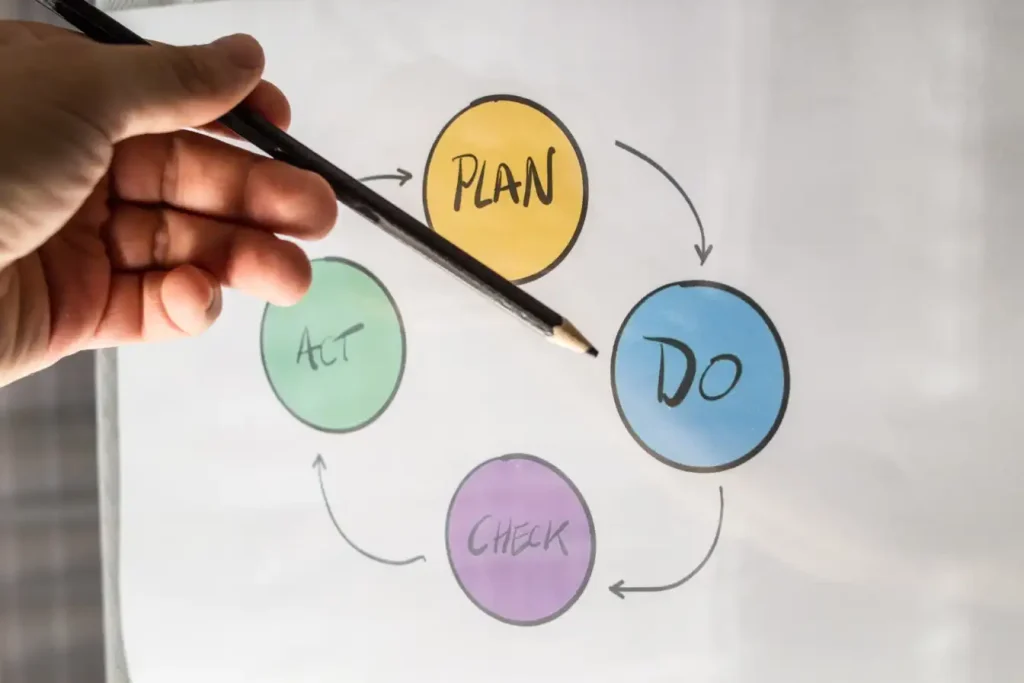
While efficiency has always been a top consideration for manufacturing companies, it is no longer optional. It is a must for business sustainability. The ripple effects of the pandemic have made it harder to achieve a profit. Consumer demand is fluctuating, supply chain issues still persist, and raw material prices are on the rise. While external factors cannot be controlled, manufacturers can optimize their internal processes. They can become more resilient and responsive by fine-tuning how they operate. This requires continuous improvement – implementing sustainable methods that make improvement initiatives not just a quarterly activity but rather an everyday part of your business. Understanding the principles of continuous improvement Continuous improvement models are behind many process management systems used by organizations, including lean production and Lean Six Sigma. This is also referred to as Kaizen, which in Japanese translates to good improvement. Businesses worldwide implement Kaizen as a pillar of their long-term competitive strategy. It can also be a highly beneficial manufacturing process improvement methodology. As per the Kaizen Institute, continuous improvement is made up of five fundamental principles. Here’s what manufacturers should know about them: Know your customer: Manufacturers should be aware of the demands of the customers for whom they are making the product, so they know exactly where they are creating value. Let it flow: Aim to create as little waste as possible so resources are used effectively during production. Go to GEMBA: GEMBA is a Japanese term that means “the actual place”. Executives should be aware of what’s happening at the place where manufacturing is actually done—the production floor. This is what’s behind the concept of a GEMBA walk, where executives visit the floor, see how operations are carried out, and talk to the workers. Empower people: Teams should be organized in a way that supports continuous improvement in a manufacturing organization. The goals of all teams should align and not clash with each other, so everyone can work together to achieve more. Employees should also be equipped with the tools and systems they need to reach these goals. Be transparent: Transparency here refers to data transparency. Through performance tracking, it is easy to see the tangible results of any changes being implemented, which proves their value and can also be a motivating factor. Adopting continuous improvement might sound intensive upfront, but it pays off over time. Today, with the assistance of digital solutions, implementing continuous improvement across the organization and scaling it as you grow is easier than ever. How to adopt continuous improvement initiatives Continuous improvement initiatives are implemented by organizations by establishing methods that can be effectively used by employees at all levels. Here is how manufacturers can adopt them. Define specific objectives Start by evaluating all the areas of your organization to identify your target areas for improvement.Some questions you can ask to identify these include: – Which areas are currently undergoing change? – What are the areas where bottlenecks or delays occur? – What are the areas that don’t meet quality or performance expectations? – Which areas have the most market or financial impact? After identifying the areas, define your objectives for improvement within the specific areas. For example, reducing lead time, improving quality, or reducing downtime. With the objectives in place, define the key performance indicators (KPIs) you will be using to measure progress towards the objective. Define the continuous improvement process While defining the continuous improvement process, workers from all levels should be involved so everyone’s perspectives are incorporated. At this stage, the responsibilities of the continuous improvement processes should also be placed on specific people who can actively maintain and manage them. Communicate your initiative clearly To enable the culture of continuous improvement, manufacturers first have to communicate it to all employees to encourage its adoption. Employees should be aware of what continuous improvement is in manufacturing and how it can help. They have to be trained in the methods and tools to carry out the continuous improvement processes. This can also empower employees to make their own suggestions for improvement. These training sessions should be frequent to reinforce the principles within the organization. Measure the outcomes of your initiatives Continuous improvement is all about results. After implementing changes, they have to be assessed after a sufficiently long interval to judge whether the improvement initiative has been successful or not. If not, it has to be adapted. If it has been successful, it still requires follow-up to ensure that the changes are sustained and permanently incorporated. Digital tools can make continuous improvement more convenient to adopt for manufacturers, as they can automate some steps such as tracking and reporting. They also make it possible to make decisions based on real-time data, including data from the manufacturing processes, so any urgent actions can be taken right away. EviView is custom-built for companies that want to make continuous improvement integral to the manufacturing process. With EviView, your organization can: Track various KPI metrics through trackers relevant to your objectives Integrate with existing systems that are already collecting data to present all the relevant information in an easily accessible place Generate reports that can help you analyze how the implemented initiatives have performed Once implemented, you can expect to see significant results over time. Through our tool, our award-winning team has already helped several manufacturers reduce delays by up to 20% and achieve productivity gains of 5–10%. We also hold training sessions so all employees can be comfortable using the tool and continuous improvement can be effectively achieved. Our tool has been especially useful for process industries, such as helping companies with their pharmaceutical batch manufacturing. Get in touch with us for a demo and discover how we can help your organization make improvements that amount to a number of extra days of manufacturing per year.
Bringing Transparency to Data-Driven Manufacturing

With the rise of digital transformation and, consequently, data-driven manufacturing, data visualization, ownership, and transparency are needed at all levels of the organization. Often, what exactly happens on the shop floors is unknown to the senior management, creating an information “black hole” that prevents them from making informed decisions based on manufacturing analytics. While there have been efforts to increase transparency and turn it into value for decades, it’s now becoming a necessity to compete in the market and increase profitability. In this blog post, we explore the importance of data transparency in data-driven manufacturing and its impact on operational performance. Why transparency in data-driven manufacturing matters and how it impacts operational performance One of the major challenges to information transparency in a manufacturing organization has historically been a lack of integration. While data was being collected manually or through software in different areas of the company, there was no place to see a holistic overview and support data-driven manufacturing. The ability to integrate real-time data into business decisions is now becoming increasingly accessible for all manufacturing firms as Industry 4.0 technologies such as IoT become more economical. Metrics from various sources can be combined into actionable dashboards. When it comes to trying these emerging technologies, however, what made some companies hesitant was the capital investment required for digital transformations. While complete digitization for a company might be expensive, many companies already have many processes digitized and would prefer not to shift to completely new systems just for integrating data sources. But the good news is that a new tech stack isn’t required to bring data transparency into your manufacturing organization. Several modern Industry 4.0 solutions, including EviView’s e-ConnX, can integrate into your existing tech stack and leverage data-driven manufacturing. Data transparency can now provide visible results by improving operational performance. Getting information from the factory floor, including the quality of production batches and downtime data, is especially valuable for process manufacturers, who also have to prioritize multiple regulatory compliances and optimize performance. Information transparency in data-driven manufacturing will also enable your organization to become more agile by being proactive rather than reactively managing operations. You can evaluate costs, analyze process productivity, and identify areas of opportunity specific to the plant. Along with this, manufacturing analytics will enable you to monitor any changes in real time, anticipate their effects, and allocate resources accordingly to minimize negative impacts. How manufacturers can achieve transparency in data-driven manufacturing Identify information gaps and align data collection with your KPIs Digital transformation strategies to add data transparency to data-driven manufacturing should align with your overall business strategy. With data transparency, you can expect to see aggregate metrics from various sources and contextualize them with your KPIs (key performance indicators). The selection of the KPIs should include all relevant stakeholders, especially the front-line employees and their managers, as their involvement is needed for any successful transformation. Pick your data collection and analytics solutions The next step after figuring out which metrics you want to track is choosing the right industrial IoT solutions to help you measure and analyze them. It may be hard to find a custom solution to do it all that is not cost-prohibitive. This is where tools that integrate within your existing tech stack and connect with other standard industry applications come in. Check whether you can automate data collection from machines and processes to the degree that your KPIs require. You should then be able to view all the metrics across the organization, from different business areas and plant sites, within a dashboard. Leverage analytics to create value Having all the data in one place should now enable you to make data-driven manufacturing decisions that improve production efficiency. Process improvement will be possible as results can be objectively measured and the effectiveness of new innovations tested. Cause and effect will be easier to evaluate, so you can better allocate your resources, optimize maintenance, and improve production quality. You can expect to see your organization’s performance improve over time as you continue to fine-tune your operations based on data. Stay ahead of the game with transparency in manufacturing analytics data Data transparency empowers your organization to understand operational performance better and discover opportunities for continuous improvement. Partnering with the right providers that share your vision for growth can help you accelerate your growth. EviView’s digital transformation solutions have been built with the aim of shifting knowledge upwards. Our e-ConnX app can give you greater visibility into process performance to track the production process from start to finish. Purpose-built for the bio, pharma, and chemical industries, our manufacturing analytics data solutions have the expertise of decades of R&D behind them. Get in touch with us today to learn how we can help you achieve the benefits of data transparency in data-driven manufacturing.
Operational Excellence in Pharma Manufacturing with Lean Six Sigma

While pharmaceuticals are a booming sector, in this increasingly competitive economy, companies have to constantly improve their manufacturing efficiency to be profitable and capture a larger share of the market. Digital transformation and the adoption of IoT solutions are necessary, but none of these can succeed without paying attention to the underlying processes. Many pharmaceutical manufacturers suffer from a lack of process information with no clear visibility into what’s really happening at all levels of the company, especially on the factory floor. Process management is what distinguishes the market leaders from those who lag behind. While quarterly targets might seem like an area of focus to quickly increase revenue, short-term goals do not necessarily set up the business for sustained long-term success. However, if the focus shifts to improving processes, you can also expect to see consistent success in achieving goals as your organization focuses on the factors that affect the eventual outcome. While there are many process management principles pharma manufacturers can follow, one of the most effective methodologies that has seen success across industries, including the manufacturing sector, is Lean Six Sigma. What is Lean Six Sigma (LSS)? Also referred to as LSS, Lean Six Sigma is a combination of two process management strategies: lean and six sigma. Lean manufacturing has its roots in the Japanese manufacturer Toyota’s production system. Their philosophy focused on reducing wasteful or redundant activities and improving workflow to draw more value from what you do. Eliminating waste and improving customer experience were the core of their thinking, and from that, lean manufacturing evolved as a way to increase speed. Six Sigma aims to improve process quality through statistical analysis that helps identify and eliminate defects, along with reducing variation in process outputs. The defects are actually process outputs that do not meet the customer specifications, a type of quality check. According to the six-sigma process, defects can be reduced by reducing the number of steps involved. This can be done through cause-and-effect analysis done by tracking the 6Ms. The 6Ms of Six Sigma are: Method: specific regulations or policies causing a slowdown Mother Nature: environmental factors affecting the production Manpower: training new people Measurement: accuracy of the equipment used to take readings Machine: maintenance issues or availability of equipment Materials: issues related to sourcing and transporting raw materials Together, Lean Six Sigma and manufacturing can be a powerful way to achieve operational excellence. Lean’s speed combined with Six Sigma’s speed overcomes the weaknesses of both methodologies, providing a complementing system that can be easily implemented in pharmaceutical manufacturing. Applying Lean Six Sigma to Pharmaceutical Manufacturing Lean Six Sigma initiatives are not new to the pharmaceutical industry. However, as they have lost their novelty and there is a lot of misunderstanding around the purpose of the methodology, it is still not widely implemented, and many companies have yet to experience how it can improve their pharma manufacturing process. Benefits of Lean Six Sigma in Pharma Manufacturing Here are how the two main benefits of Lean Six Sigma affect pharmaceutical manufacturing: Increased Speed Lean Six Sigma can be used to increase R&D productivity as well as speed up the production process. With a faster cycle time, pharmaceutical manufacturers can be the first to market and deliver products to their customers quickly. Improved Quality By standardizing processes through Lean Six Sigma, the variations in the drugs across batches can be reduced, and overall quality can improve. It can thus help reduce operational costs as you examine factors affecting formulation and quality closely, eliminating any wasteful activities that do not positively contribute to this. There are also recent applications of Lean Six Sigma that show that this methodology continues to be relevant and can yield great results. A 2021 study examined how a single pharmaceutical manufacturing company producing acetaminophen (paracetamol-containing pain relief) tablets used LSS to match the increased demand due to the pandemic. Operational excellence was achieved by using the toolset provided by this methodology to determine root causes and implement corrective actions. Problems were eliminated without negatively affecting manufacturing cost, production time, or product quality. The result was a reduction in downtime, improved product flow, the elimination of product waste, increased productivity, and an enhanced customer experience. This shows that Lean Six Sigma can help pharmaceutical companies achieve excellence, even in modern operations. Implement Lean Six Sigma with EviView As an award-winning Lean software provider, EviView has developed a one-stop solution for the process management needs of pharmaceutical manufacturing. Our tool helps your team seamlessly capture any delays categorized by the 6Ms (man, machine, material, method, measurement, and management) so you can adopt the Lean Six Sigma methodology. Book a call with us today to learn more about how you can achieve operational excellence.
Tracking and Improving Production Performance with EviView

Manufacturers have faced considerable production difficulties in recent years. As supply chains are disrupted, workforce dynamics change, and consumer demands evolve, manufacturers look for ways to optimize production efforts. Analyzing production data to identify patterns across the prevailing business landscape is one of the best ways to find optimization opportunities within a company. Manufacturers are leveraging data analytics to understand the forces influencing their operations and improve processes. Therefore, manufacturers have been increasingly investing in new digital solutions that help them gather more data from their business operations. With this, manufacturers can gain insight into how their machines function and adjust for optimum results. In this post, we explore some of the most common challenges plant leaders face and how you can leverage EviView business intelligence software to streamline data collection and draw more meaningful insights from your operations. Tracking the performance of plant operations A plant manager must know and understand the state of his plant’s performance to make better and more timely decisions. Unfortunately, most business leaders need more data they consider valuable. Despite this, they still need to track critical aspects of their operation and monitor performance trends to optimize decision-making as quickly as possible. Companies are also dealing with a shortage of skilled analytical professionals, making it exceedingly difficult for people outside their organization to understand and solve problems within their operations. This has led to a situation where many plant managers need to be more under- and over-managed. They need more information than they can access, but they also don’t want too much information because it can be overwhelming. They often feel like they’re fighting an uphill battle against their organizations, which makes sense considering that most companies lack the necessary tools to analyze operations data. Manufacturing challenges faced by plant leaders Manufacturing is a tough business, and plant leaders face several daily challenges. Here are some of the most common: Inefficient processesManufacturing companies are always working to improve their processes. They’re always looking for ways to improve efficiency and reduce costs, so manufacturers have a lot of data to analyze. The problem is that this data is often difficult to understand, which makes it hard for plant managers to know what’s causing problems or where they need to focus their attention. Poor data integrityData integrity is a big issue in manufacturing. The issue is that there are many data sources that may not always be accurate or up-to-date. For example, if you’re using an ERP system to keep track of sales orders and shipments but your shipping department has its own way of recording information about customer shipments, it’s easy for errors to creep into your data. Burdensome validationValidation is another big issue in manufacturing. You might have a lot of different applications that are all trying to get data from various sources into one place, but more is needed to ensure accuracy. You also need to ensure that the data you’re getting is accurate by validating it against other production monitoring systems or manually checking for errors. Unplanned deviationsIf you’re trying to automate your operations, it’s important to remember that there will always be unplanned deviations from the norm. The most obvious example is when a worker gets sick or injured, but other circumstances can cause problems. For example, if your equipment breaks down unexpectedly, it could throw off your schedule and create issues with production. Low in-process visibilityIn-process visibility refers to how well you can see what’s happening in each stage of your production process. If you have good visibility into the steps being performed, it can be easier to make changes when issues occur. This is especially true if one step relies on another to be completed before it happens, so if something goes wrong in the first stage, then there may not be anything that can be done about it until later (by which time it might already be too late). Delayed releaseDelayed releases are a common problem in manufacturing because they can cause other parts of the process to fall behind, leading to more delays and even worse quality problems. If you’re waiting on materials or other inputs from suppliers that need to meet your deadlines, it will throw off the entire schedule and create issues with production. Leveraging EviView for your plant operations EviView’s mission is to empower manufacturing monitoring with smarter, more effective manufacturing production tracking software for KPI tracking and reporting. We understand that the manufacturing industry is full of complex processes and production monitoring systems, making it difficult to get a clear picture of your plant’s performance. Behavioral change via continuous improvemente-ConnX makes it easy for operators to put forward CI Ideas as part of the shift handover—when they see their proposal in action, they’re more motivated. Continuous Improvement ideas can be submitted, reviewed, and plotted on the P-I-C-K chart. The more submissions employees make, the higher the chance of time and cost savings for a company. CI KPIs, such as average time to respond, review, and implement, are available in the module. Stakeholders can track the status of any actions originating from CI submission to implementation. Monitor issues efficiently with real-time data.EviView provides manufacturers with a view of their plants’ operations—a holistic, real-time look at key metrics that helps find bottlenecks, deviations, and downtime quickly. When a plant manager is notified of an issue or deviation, they can identify potential problems and prevent downtime by issuing early warnings to operators. It’s easy to monitor performance as it tracks all units minute by minute. Downtime and OEE scores can be seen for individual production lines as well as for the entire plant on a single screen in real-time. Data visualization for easier identification and quick resolutionEviView Analytics unlocks the power of your data to provide actionable insights that drive business-critical decisions. Using Fishbone, Ishikawa, Pareto, Waterfall charts, etc., clearly identifies which factors are the primary contributors to downtime events. When reporting downtime occurrences, operators can easily categorize and distinguish between issues caused